


What Patients Should Know Before Choosing Robotic Knee Replacement
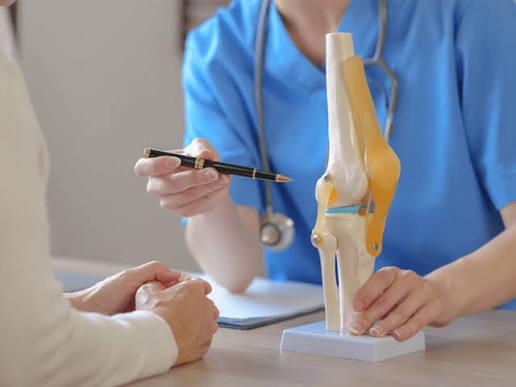
Knee pain can gradually change the way a person moves and performs everyday activities. Simple tasks such as walking to the market, climbing stairs, standing for long periods, or getting in and out of a chair may become uncomfortable. When knee damage becomes severe, an orthopedic specialist may recommend knee replacement after assessing the patient's condition.
Advances in orthopedic surgery have introduced robotic-assisted techniques that can support doctors during selected knee replacement procedures. Patients looking for a Robotic Knee Replacement Clinic in Mumbai can discuss their symptoms, diagnosis, and treatment options with an orthopedic specialist before deciding on surgery.
Why Does Knee Damage Get Worse Over Time?
The knee joint contains cartilage that helps the bones move smoothly. When this cartilage becomes damaged or wears away, movement can become painful and stiff.
Knee problems can develop due to:
- Osteoarthritis
- Previous injuries
- Cartilage damage
- Age-related changes
- Joint inflammation
- Repeated stress on the knee
- Certain orthopedic conditions
The symptoms may initially be manageable, but advanced joint damage can eventually interfere with normal movement and daily activities.
Signs That Should Not Be Ignored
People experiencing ongoing knee problems may notice changes in their mobility. Common symptoms include:
- Pain while walking
- Stiffness after rest
- Swelling around the knee
- Difficulty climbing stairs
- Reduced range of movement
- Pain during physical activity
- Difficulty standing for long periods
- Problems performing routine tasks
Persistent symptoms should be evaluated by an orthopedic specialist to identify the underlying cause.
What Is Robotic Knee Replacement?
Robotic-assisted knee replacement is a surgical approach that uses advanced technology to support the orthopedic surgeon during selected stages of knee replacement.
Before surgery, the patient's knee is carefully evaluated and a treatment plan is developed. During the procedure, robotic technology can provide guidance based on the patient's individual knee anatomy.
The surgeon remains in control of the operation. The robotic system is used as a supporting tool rather than as an independent surgeon.
Why Is Individualized Planning Important?
Every patient's knee is different. The location and severity of joint damage, ligament condition, bone structure, and overall health can vary significantly.
Robotic-assisted technology can provide information that helps the surgeon plan selected aspects of the procedure according to the patient's anatomy.
For patients considering a Robotic Knee Replacement Clinic in Mumbai, individualized surgical planning is an important part of understanding how the procedure may be approached.
What Happens During the Treatment Process?
Knee replacement treatment generally involves several stages.
Initial Consultation
The orthopedic specialist discusses symptoms, medical history, previous treatments, and mobility concerns.
Diagnostic Evaluation
The doctor may recommend appropriate imaging and other examinations to understand the condition of the knee.
Treatment Planning
Based on the findings, the surgeon determines whether non-surgical treatment or knee replacement may be appropriate.
Surgical Procedure
If surgery is recommended, robotic technology may assist with selected stages of the planned knee replacement procedure.
Rehabilitation
After surgery, physiotherapy and gradual activity are generally introduced according to the patient's recovery and medical advice.
Total or Partial Knee Replacement?
The extent of knee damage plays an important role in determining the type of replacement.
Total knee replacement may be considered when damage affects multiple areas of the knee. Damaged joint surfaces are replaced with artificial components.
Partial knee replacement may be considered when the damage is restricted to one part of the knee and the remaining joint structures are suitable for preservation.
The orthopedic surgeon decides which approach is appropriate after evaluating the patient's individual condition.
What Can Robotic Technology Assist With?
Depending on the procedure and technology being used, robotic assistance may support the surgeon with:
- Surgical planning
- Assessment of knee anatomy
- Bone preparation
- Alignment guidance
- Implant positioning
- Selected surgical steps
The use of robotic technology does not eliminate the need for clinical judgment. The orthopedic surgeon continues to make decisions throughout the procedure.
Preparing for Surgery
Patients should follow the preparation instructions provided by their medical team. Before surgery, the doctor may review medications, existing health conditions, previous surgeries, and relevant test reports.
Patients should also understand:
- Why surgery has been recommended
- Which type of knee replacement is planned
- How the procedure will be performed
- Expected hospital stay
- Rehabilitation requirements
- Possible risks
- Follow-up schedule
A consultation at a Robotic Knee Replacement Clinic in Mumbai can help patients understand these aspects before proceeding with treatment.
What Is Recovery Like?
Recovery is different for every patient. After surgery, the medical team guides the patient through the early stages of movement and rehabilitation.
Physiotherapy may help improve:
- Knee flexibility
- Leg strength
- Balance
- Walking ability
- Joint movement
- Functional mobility
Patients should follow their orthopedic and physiotherapy team's instructions regarding exercise, walking, rest, and activity levels.
Why Rehabilitation Matters
Successful knee replacement care does not end when the surgery is completed. Rehabilitation plays an important role in helping patients regain strength and movement.
A structured rehabilitation program can gradually introduce exercises and activities according to the patient's progress.
Regular follow-up also allows the medical team to monitor recovery and provide additional guidance when required.
Choosing a Knee Replacement Centre
Patients should look beyond the availability of robotic technology when selecting orthopedic care. Factors such as the surgeon's experience, diagnostic facilities, hospital infrastructure, rehabilitation services, and follow-up care should also be considered.
A Robotic Knee Replacement Clinic in Mumbai should provide a complete treatment pathway from initial assessment and surgical planning to post-operative rehabilitation.
Patients can ask their orthopedic specialist about the expected benefits, limitations, risks, recovery process, and alternatives before making a treatment decision.
When Should You Seek Orthopedic Advice?
Knee pain that continues for a prolonged period or interferes with normal activities deserves professional evaluation. Early consultation can help identify the cause and determine whether the condition can be managed without surgery.
If significant joint damage is present, the orthopedic specialist can explain whether knee replacement is an appropriate option and whether robotic assistance may be suitable.
Conclusion
Robotic-assisted knee replacement combines modern technology with the expertise of an orthopedic surgeon. It can support surgical planning and selected stages of knee replacement for appropriate patients.
For people searching for a Robotic Knee Replacement Clinic in Mumbai, the first step should be a detailed orthopedic evaluation. Understanding the condition, available treatment options, surgical approach, and rehabilitation plan can help patients make informed healthcare decisions.

 English
 Arabic
 French
 Spanish
 Portuguese
 Deutsch
 Turkish
 Italiano
 Russian
 Romaian
 Portuguese (Brazil)
 Greek
Greek
