


What Are the Signs of a Failing Water Heater
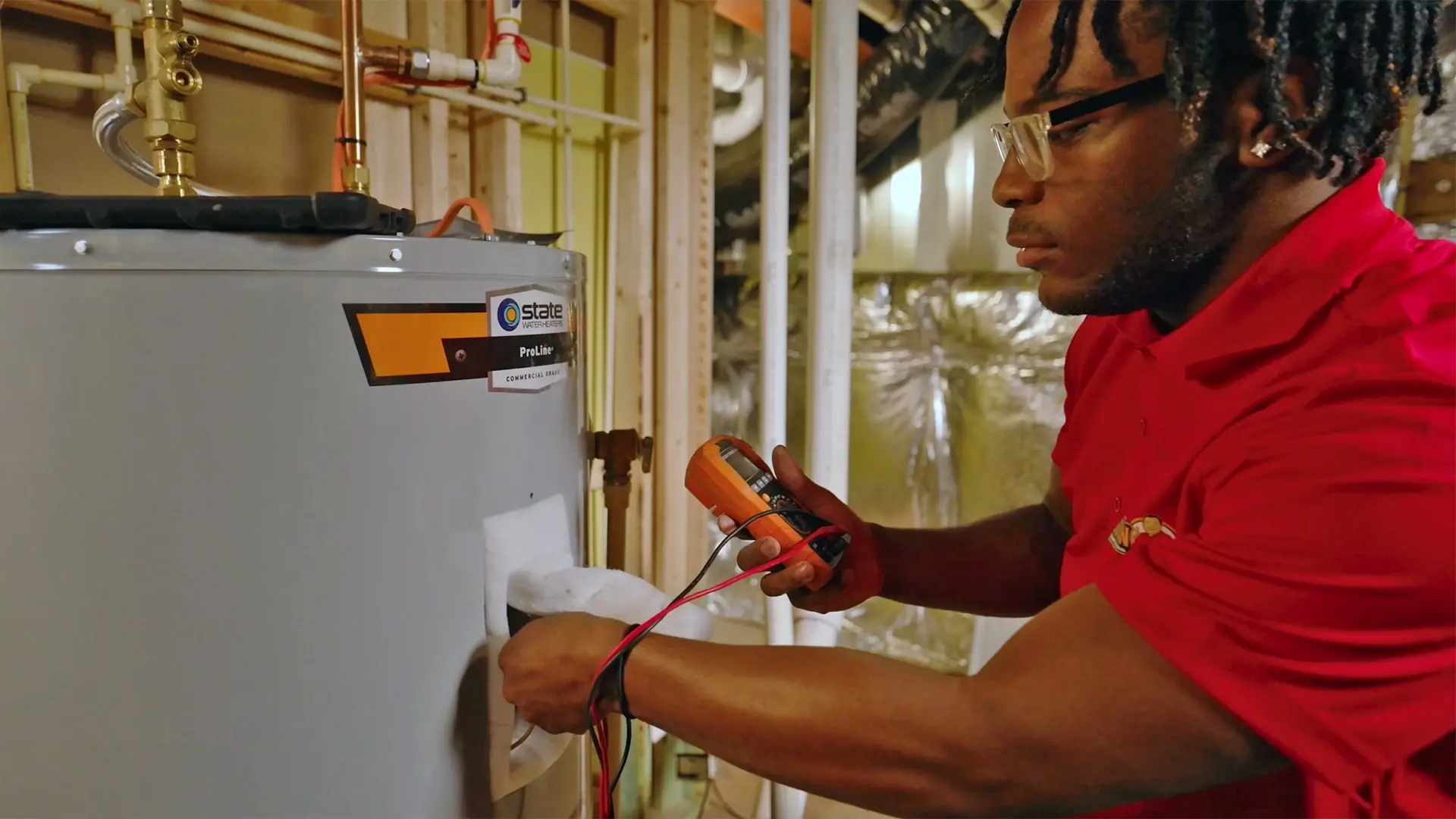
A failing water heater repair can affect daily routines by causing inconsistent water temperature, unusual sounds, leaks, or limited hot water. In Jacksonville, FL, homeowners often depend on a properly working water heater for bathing, cleaning, and other household needs. Recognizing early warning signs can help you address a developing problem before it causes more serious damage. Some issues are simple to correct, while others may indicate that the unit is reaching the end of its useful life. Paying attention to changes in water temperature, water pressure, noises, and visible moisture can give you a better idea of what is happening. A professional inspection can identify the source of the problem and determine whether repair is practical or replacement is more appropriate.
Signs Your Water Heater May Be Failing
A water heater rarely stops working without showing some warning signs first. Changes in performance can develop gradually, making them easy to overlook during normal household routines. If the water does not stay hot, takes longer to heat, or becomes inconsistent during use, the heating system may need attention. Other warning signs include strange sounds, discolored water, moisture around the tank, and unusual increases in energy use. These symptoms can result from sediment buildup, worn components, corrosion, or problems with the heating element or burner. Not every issue means the entire unit needs replacement, but ignoring repeated problems can allow a minor fault to become more difficult to resolve. A timely inspection can help determine the actual condition of the water heater and identify the right repair approach.
Inconsistent Water Temperature
One common warning sign is water that changes temperature without an obvious reason. The water may start hot and quickly become lukewarm, or the temperature may fluctuate while the faucet is running. This can happen because of a damaged heating element, thermostat problem, sediment accumulation, or another internal fault. If the problem continues after normal adjustments, professional troubleshooting can help identify the cause.
Reduced Hot Water Supply
A noticeable reduction in available hot water can also indicate a developing problem. A household may find that the tank no longer provides enough hot water for normal use, even when usage has not changed. Sediment inside the tank can reduce usable capacity, while a failing heating component can prevent proper recovery. Checking the system early can help prevent continued inconvenience and unnecessary damage.
Tip, Pay attention to gradual changes in water temperature instead of waiting until the unit stops producing hot water completely.
Unusual Noises and Water Heater Leaks
Strange sounds coming from a water heater repair should not be ignored, especially when they become frequent or louder over time. Rumbling, popping, banging, or cracking sounds can develop when sediment settles inside the tank and becomes heated repeatedly. The buildup can make the system work harder and may affect heating efficiency. A leaking tank is another important warning sign because water around the unit can indicate a loose connection, faulty valve, corrosion, or internal tank damage. Some leaks can be repaired, while a corroded tank may require replacement. Finding moisture early is important because continued leakage can damage flooring, walls, or nearby components. A professional can inspect the source of the leak and determine whether the problem involves a repairable part or the tank itself.
Noises From the Tank
Popping and rumbling sounds often point to sediment buildup at the bottom of a storage tank. As water heats, trapped moisture beneath the sediment can create movement and noise. This condition may reduce heating performance and place additional strain on the system. A qualified technician can inspect the tank and determine whether flushing or component service is suitable.
Visible Water Around the Unit
Moisture near the water heater should always receive attention. Small amounts of water can come from fittings, valves, or connections, while a steady leak may indicate tank deterioration. If the tank itself is leaking, repair may not be practical. Prompt inspection helps identify the source before water damage spreads to surrounding surfaces.
Tip, Never assume a small puddle will disappear on its own, because repeated moisture can indicate an active plumbing problem.
Water Quality and Performance Changes
Changes in water quality can provide another clue that a water heater needs attention. Rust colored or cloudy hot water may indicate corrosion inside the tank or deterioration of internal components. If only the hot water has changed while the cold water remains clear, the water heater repair deserves closer inspection. A metallic smell or unusual taste can also occur when corrosion or mineral buildup affects the system. Performance changes can appear alongside these water quality issues. Longer heating times, reduced hot water capacity, and repeated temperature fluctuations may indicate that the unit is becoming less efficient. These symptoms do not always mean replacement is necessary. Proper diagnosis can determine whether cleaning, flushing, component repair, or another service can restore normal operation.
Discolored Hot Water
Rust colored hot water can be associated with corrosion inside the tank or problems with the anode rod. The condition should not be ignored when it repeatedly affects hot water. An inspection can help determine whether corrosion is limited to a replaceable component or has affected the tank itself.
Long Heating Times
When a water heater takes noticeably longer to heat water, the heating element, burner, thermostat, or internal tank condition may be involved. Sediment buildup can also reduce heat transfer and make the system work harder. Professional troubleshooting can identify the underlying cause instead of treating only the visible symptom.
When Water Heater Repair May Not Be Enough
Some water heater problems can be corrected by replacing worn components, cleaning sediment, repairing connections, or addressing control issues. However, certain conditions can indicate that the unit is nearing the end of its service life. A heavily corroded tank, repeated leaks, frequent breakdowns, or ongoing performance problems may make replacement more practical than continued repairs. The decision should depend on the condition of the unit, the source of the problem, repair requirements, and expected reliability after service. A professional inspection can provide useful information before you make that decision. Instead of focusing only on the age of the equipment, consider how consistently it operates and whether problems continue after repairs. A proper evaluation helps you understand the condition of the system and choose a solution based on its actual needs.
Repeated Repairs
Frequent service calls can be a sign that several components are beginning to fail. Repairing one part may solve the immediate issue, but recurring problems can indicate broader deterioration. Keeping track of repeated faults can help a technician determine whether continued repairs remain practical.
Age and Corrosion
Age alone does not automatically mean a water heater needs replacement. However, an older unit with visible corrosion, leaks, poor heating performance, and repeated failures deserves careful evaluation. Corrosion around the tank can be particularly important because internal tank damage may not be repairable.
Tip, Keep records of previous repairs and recurring problems, as this information can help a technician evaluate the overall condition of the water heater.
Frequently Asked Questions
How do I know if my water heater is failing
Common signs include inconsistent hot water, unusual noises, leaks, discolored water, and longer heating times.
Can a leaking water heater be repaired
Some leaks from fittings or valves can be repaired, but a leaking or corroded tank may require replacement.
Why is my water heater making popping noises
Popping noises can occur when sediment builds up inside the tank and affects the heating process.
Why is my hot water running out quickly
Reduced hot water can result from sediment buildup, a faulty heating element, thermostat problems, or changes within the system.
How often should a water heater be inspected
Regular professional inspection can help identify developing problems before they lead to major performance issues or water damage.
Should I repair or replace my water heater
The right choice depends on the condition of the tank, repair history, corrosion, leaks, and the nature of the current problem.

 English
 Arabic
 French
 Spanish
 Deutsch
 Turkish
 Dutch
Dutch
 Italiano
 Russian
 Romaian
 Portuguese (Brazil)
 Greek
Greek
