


Material, Function, and Design Considerations for Gear Pullers
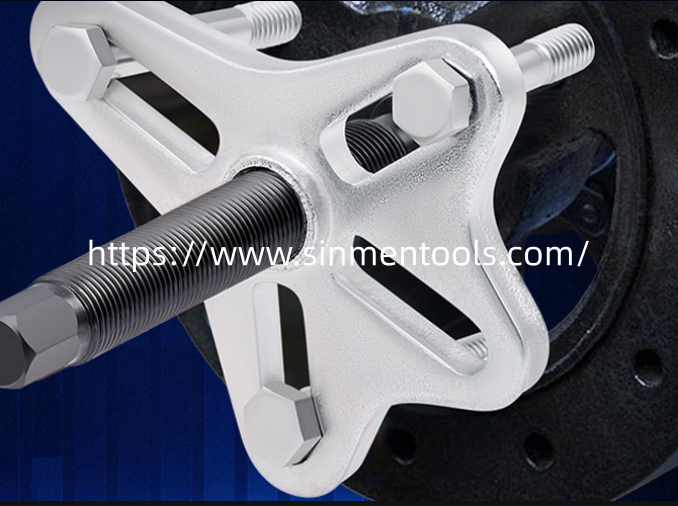
In automotive repair and mechanical maintenance, the right pulling tool can make component removal more controlled and organized, and Gear Puller selection should therefore consider material, structure, handling, and application rather than focusing only on basic pulling capability. Gears, bearings, pulleys, hubs, and other closely fitted components may require different approaches during maintenance, so the tool needs to work with the surrounding assembly while providing a stable connection with the component being removed. This makes the overall construction of the puller an important part of the working experience.
Material is one of the first factors buyers should examine. A puller is repeatedly exposed to mechanical stress during use, so its main structural components need suitable strength and durability. Alloy steel and other engineered steel materials are commonly considered for professional pulling tools because they can support robust construction and repeated workshop use. However, material selection should also be viewed together with heat treatment, forming, machining, and surface finishing. A good material cannot fully compensate for inconsistent manufacturing, while appropriate processing can help the finished tool achieve a more dependable working character.
The purchasing process should begin with the application rather than the appearance of the tool. Buyers can first identify the types of components they commonly remove, the available working space, the shape of the component, and the accessibility around the shaft or housing. A workshop handling varied repair tasks may need a flexible selection of pullers, while a specialized maintenance environment may prefer tools designed around particular component-removal requirements. Considering the complete workflow makes purchasing decisions more practical and reduces the chance of choosing a tool that is difficult to position during actual maintenance.
Manufacturing technology also has a direct relationship with tool performance. Forging can help create a strong structural foundation, while precision machining can refine contact surfaces, threads, joints, and other working areas. Consistency between components is especially important for adjustable tools because the moving parts need to cooperate smoothly during positioning and operation. Quality inspection throughout production can further help identify manufacturing inconsistencies before tools reach users. Taizhou Xinming Technology Co., Ltd. combines production, research and development, customization, and quality control in its hardware tool manufacturing process, with pullers forming an important part of its product range.
Function and technology are not limited to the amount of pulling force a tool can generate. A well-designed puller should help transfer working force through a controlled structure while keeping the tool properly positioned. Adjustable components can make it easier to adapt the tool to different workpieces, while carefully designed contact areas can improve engagement with the component. Mechanical, hydraulic, and pneumatic approaches can also serve different maintenance preferences, allowing users to choose a working method that matches their equipment and workflow.
User experience becomes particularly noticeable when a puller is used repeatedly. A tool that is easy to position, adjust, tighten, and store can reduce unnecessary interruptions during repair work. Grip design, movement of adjustable parts, thread operation, and overall balance can all affect how naturally the tool fits into a technician's routine. Maintenance is also easier when the structure is accessible for inspection and cleaning. These details may seem secondary when comparing products, but they can have a meaningful influence on long-term workshop convenience.
Design and appearance also contribute to how a professional tool is perceived and handled. Surface treatments can provide a finished appearance while supporting protection of exposed metal surfaces. Clear structural relationships between jaws, central components, handles, and adjustment points can make the tool easier to understand at a glance. For manufacturers serving different markets, visual consistency can also help create a recognizable product family across various automotive and industrial maintenance tools. Xinming offers a range of puller designs, including different jaw configurations and specialized models, reflecting the varied requirements found in mechanical repair environments.
For buyers working with distributors, repair shops, or equipment manufacturers, customization and supplier communication can also influence the final choice. Discussing the intended application, preferred structure, operating environment, and downstream requirements before production can help connect the tool design with actual working conditions. Taizhou Xinming Technology Co., Ltd. has experience in pullers, automotive maintenance tools, hydraulic tools, and tool sets, while its manufacturing and development capabilities support customized solutions for different customers. Businesses interested in its product range and manufacturing services can learn more through the company’s official website, https://www.sinmentools.com/.

 English
 Arabic
 French
 Spanish
 Portuguese
 Deutsch
 Dutch
Dutch
 Italiano
 Russian
 Romaian
 Portuguese (Brazil)
 Greek
Greek
