


What Manufacturers Should Review Before Buying New Machinery
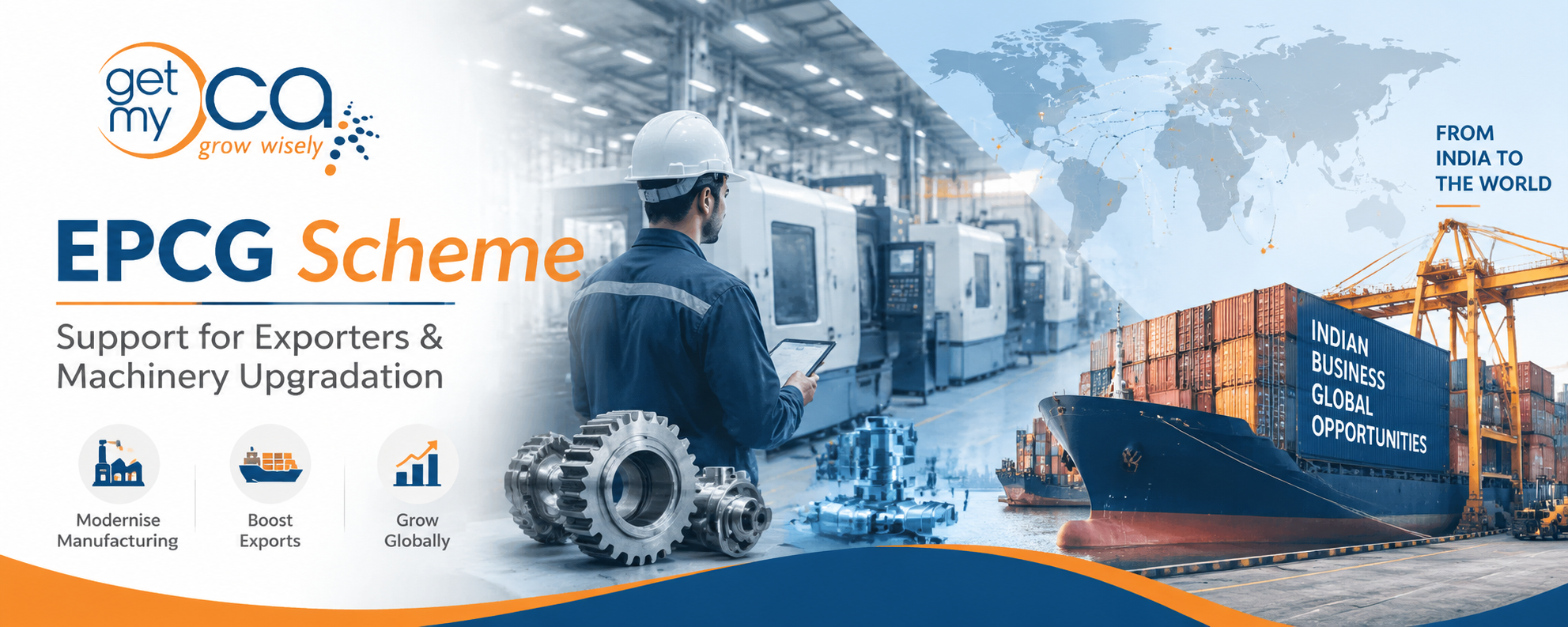
Purchasing new machinery is an important decision for a manufacturing business. The investment can affect production capacity, product quality, operating costs and future expansion plans for several years.
However, the purchase price should not be the only factor considered. Businesses involved in exports or operating under specific tax structures may also need to review customs, GST, financing and documentation implications before finalising an equipment order.
Start With the Business Requirement
Before approaching suppliers, manufacturers should clearly identify why new equipment is required.
The proposed investment may be intended to:
- Increase production capacity
- Replace outdated equipment
- Improve product quality
- Reduce production time
- Introduce automation
- Add a new product line
- Improve energy efficiency
Defining the purpose of the machinery makes it easier to evaluate whether the proposed investment fits the company's operational and financial plans.
Review Export-Related Implications Before Purchase
Manufacturers involved in exports may have additional considerations when purchasing capital equipment.
Instead of examining export-related schemes after the machinery order has already been placed, businesses can consider EPCG planning before capital equipment purchase while the procurement structure is still being evaluated.
This allows management to examine factors such as the proposed machinery, its connection with manufacturing activities, expected exports and future compliance responsibilities before making a major commitment.
The objective should be to understand the complete commercial and compliance impact rather than focusing only on the immediate cost of equipment.
Consider GST Treatment of Machinery
GST treatment is another area that may affect the overall cost and working-capital impact of machinery procurement.
This can be particularly relevant for export-oriented businesses purchasing equipment from domestic suppliers.
An enterprise may therefore review GST considerations for EOU machinery procurement before finalising the transaction structure and supporting documentation.
The applicable treatment can depend on the circumstances of the transaction. Businesses should therefore review invoices, supplier documentation, GST records and the relevant conditions instead of assuming that every machinery purchase will lead to the same tax outcome.
Coordinate Procurement and Finance Teams
Machinery decisions are sometimes handled mainly by production or procurement teams, while tax and finance departments become involved later.
A more coordinated process can help the business review:
- Equipment specifications
- Supplier quotations
- Payment terms
- Financing requirements
- Tax implications
- Import or domestic procurement structure
- Documentation requirements
- Implementation timelines
- Expected production benefits
Reviewing these factors together can reduce the possibility of discovering important financial or compliance issues after an order has already been placed.
Maintain Documentation From the Beginning
Businesses should also maintain organised records throughout the procurement process.
Relevant records may include quotations, purchase orders, supplier invoices, payment evidence, machinery specifications and supporting tax or export documentation.
Maintaining documents from the beginning generally makes later reconciliation and compliance review easier.
Final Thoughts
A machinery upgrade should be treated as a complete investment decision rather than simply an equipment purchase.
Manufacturers can make a more informed assessment by reviewing operational requirements, financing, GST implications, export-related considerations and documentation before committing significant capital.
Early planning also gives management more time to compare available options and understand how the proposed machinery fits the company's broader manufacturing and export strategy.

 English
 Arabic
 French
 Portuguese
 Deutsch
 Turkish
 Dutch
Dutch
 Italiano
 Russian
 Romaian
 Portuguese (Brazil)
 Greek
Greek
