


Dental CBCT Scan: What to Expect
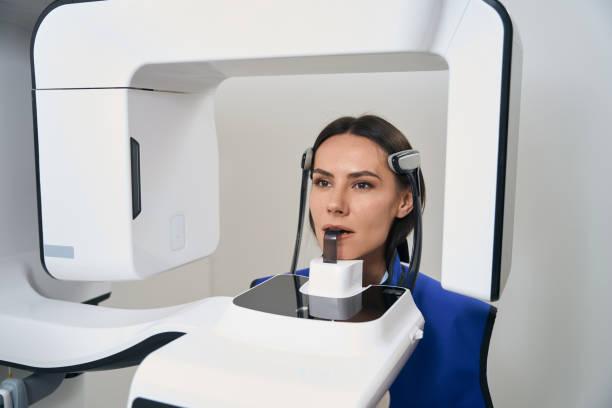
A Dental CBCT Scan in Dubai is an advanced imaging procedure that creates three-dimensional views of the teeth, jawbone, and selected surrounding structures. Patients may be recommended this type of scan when a dental professional needs more detailed information than a conventional dental X-ray can provide.
Knowing what happens before, during, and after the scan can make the appointment easier to understand. The procedure is generally straightforward, but preparation and positioning can vary depending on the area being examined and the purpose of the imaging.
Before the CBCT Scan
Before the scan, the dental professional or imaging technician may explain the procedure and ask about relevant medical information. It is important to mention pregnancy or possible pregnancy before undergoing an X-ray-based examination.
You may also be asked to remove glasses, jewelry, hair accessories, or other objects that could interfere with the images. Following the instructions provided by the dental team can help ensure that the scan produces clear and useful results.
Dental Clinic: Preparing for the Imaging Process
At a Dental Clinic, the dental team will determine the appropriate scan area based on the reason for the examination. The patient is positioned carefully so that the required structures can be captured clearly.
Depending on the type of CBCT unit being used, the patient may sit or stand during the scan. A head support or positioning device may be used to help keep the head stable.
What Happens During the Scan?
Once positioned, the CBCT machine rotates around the patient's head while collecting multiple images. The patient generally needs to remain as still as possible throughout the process.
The equipment does not usually require the patient to enter a traditional enclosed tunnel. The exact appearance of the machine varies, but the imaging unit typically moves around the head during the scan.
The scanning portion is usually completed quickly. However, the total appointment time can vary depending on preparation and the type of imaging required.
Why Is Staying Still Important?
Movement during imaging can reduce image clarity and may create artifacts that make the scan more difficult to interpret. For this reason, patients are normally asked to keep their head and body still while the machine is operating.
Following simple instructions from the technician can help produce clearer images. If you are unsure about how to position yourself, it is appropriate to ask the imaging professional before the scan begins.
How Are the Images Created?
A CBCT system captures multiple X-ray images from different angles during the scan. Specialized computer software then processes these images to create a three-dimensional dataset.
The dental professional can examine the resulting images from different directions and planes. This can provide more detailed information about teeth, roots, jawbone, and certain surrounding structures.
What Can the Dental Professional See?
The structures visible on a CBCT scan depend on the area being examined. The images may provide information about tooth position, roots, jawbone, impacted teeth, and selected anatomical structures.
Three-dimensional imaging can be especially useful when the relationship between different structures is important. For example, it may help with planning certain dental implant procedures or evaluating complex tooth anatomy.
Does a CBCT Scan Hurt?
The scanning process itself is generally non-invasive. The patient simply needs to remain positioned correctly while the images are captured.
Some people may feel slightly uncomfortable from maintaining the required position for a short period, particularly if they have difficulty keeping their head still. Informing the imaging professional about any concerns can help make the process more comfortable.
What Happens After the Scan?
There is generally no lengthy recovery period associated with a CBCT scan. Once the images have been captured, the patient can usually continue with normal activities unless another procedure or appointment is scheduled.
The images are then reviewed by the appropriate dental professional. Depending on the reason for the scan, the findings may be used alongside clinical examination results and other dental records.
Does Every Patient Need CBCT Imaging?
No. CBCT is not necessary for every dental concern. Conventional dental X-rays and clinical examinations may provide sufficient information for many patients.
Because CBCT involves ionizing radiation, the dental professional generally considers whether the additional information is clinically justified. The scan should be selected according to the patient's individual needs rather than simply as a routine imaging procedure.
Final Thoughts
Knowing what to expect from a Dental CBCT Scan can help patients feel more prepared for advanced dental imaging. The procedure typically involves careful positioning, a brief imaging process, and computer-generated three-dimensional images for professional evaluation. Following the dental team's instructions and discussing any concerns beforehand can help make the appointment straightforward and informative.

 English
 Arabic
 French
 Spanish
 Deutsch
 Turkish
 Dutch
 Italiano
 Russian
 Romaian
 Portuguese (Brazil)
 Greek
