


Choosing Sofa Colour by the Feeling You Want to Come Home To
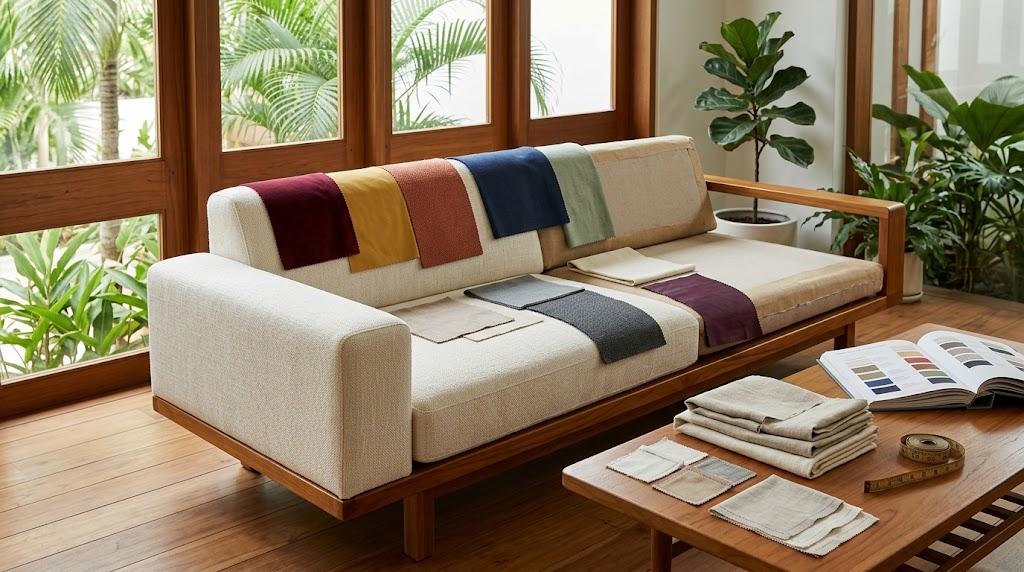
Most people choose a sofa by size first and colour second. It helps to reverse that order once you understand what hue does. The shade you pick will greet you every evening. It will shape quiet nights in and busy weekends alike.
There is a simple test to start with. Picture yourself at nine on a plain Tuesday, walking into the room tired. What would you want the space to say to you? Answer that before you open a single catalogue.
How Hue Reaches You Before Anything Else
Visible light hits the eye and travels fast to the brain. What comes back first is a feeling, not a thought. Colour naming and style judgement arrive later. This is why a room can feel wrong before you can explain it.
Biology and memory then trade places. Warm wavelengths register as closer; cool ones as more distant. Personal experience layers on top and reshapes the result. Two people in the same room can read the same fabric differently.
Fabric complicates the picture in useful ways. Pile, weave, and sheen break up colour and shift how it reads at arm's length. Larger cuttings from sofa upholstery services show these shifts better than glossy cards. Order samples and watch them for a full week.
Reds, Oranges, and Yellows That Raise the Pace
Warm tones step forward and pull a room inward. They favour activity over stillness. Households that host often lean on this end of the spectrum.
Red leads with the most push. It lifts arousal and shortens silences at a gathering. Choose it where you want people talking and staying late. In a modest room, keep the area covered small or the effect grows tiring.
Orange trades some intensity for ease. Terracotta, rust, and burnt shades read as casual and grounded. They flatter casual, collected interiors with mixed textiles and plants. Test them against timber floors first, since red undertones can clash.
Yellow behaves like extra daylight indoors. It warms a dim room and lifts the mood on grey mornings. Paler versions show every mark within a fortnight of family use. Deeper golds and mustards survive daily life far more gracefully.
For large pieces in bold warm tones, fabric weight matters as much as hue. In bright, humid flats, asking a Singapore sofa upholstery advisor about pigment-rich weaves keeps the colour from thinning under daily sun. Dense fibres hold strong dyes longer.
Balance warm rooms with something cool or pale nearby. Walls, curtains, or a rug in a quieter tone does the work. The aim is energy that remains pleasant at midnight.
Blues, Greens, and Purples That Slow Things Down
Cool tones step back and let walls drift outward. Rooms read wider and quieter as a result. They suit reading corners, studies, and open-plan flats that need a calm anchor.
Blue is the settled note everyone recognises. It steadies breathing and lowers the pace of a room. Deep navy reads formal and secure in the daytime. Pale blue leans coastal and works well where sunlight is strong.
Green sits close to the natural world and people respond to it fast. Olive, sage, and moss stay restful without flattening a room. Match them with pale timber or warm metal to keep contrast alive. Plants reinforce the effect at no extra cost.
Purple needs careful handling on large surfaces. Deep plum and aubergine read rich and considered in evening light. Pale lilac often ages quickly and can feel overly sweet. Muted darker versions tend to travel through trends better.
Cool rooms need warmth somewhere or they turn clinical. A lamp, a wool throw, or a woven floor covering will do it. Watch how the balance holds after sunset.
Grey, Cream, and White as the Quiet Base
Neutral tones carry most living rooms for practical reasons. They travel well through changes of taste and changes of address. Restraint should not leave a room without character.
Grey brings modern calm to a space. Charcoal gives weight and clean contrast against pale walls. Light greys turn cold unless a warm material sits nearby. Timber shelving or a wool blanket usually settles the balance.
Cream and beige feel settled from day one. They soften sharp architecture and hide minor wear better than bright white. Where the colour stays simple, sofa upholstery services often recommend a textured weave or loop pile so the surface still holds interest. A flat finish reads unfinished in daylight.
White opens up space more than any other option on the list. It also demands constant attention in busy homes. Warm off-whites offer similar clarity with less daily strain.
Neutrals make future change cheap and quick. Cushions, throws, and art carry the mood from season to season. That freedom matters for renters and frequent restylers alike.
How Walls, Light, and Layout Change the Answer
A sofa lives among other surfaces all day. Walls and floors tint its colour whether you plan for it or not. Read the room as a single picture before you commit.
Dark paint beside dark seating closes a room in fast. A pale sofa on a dark wall becomes the instant centre of attention. Where walls are already light, deeper seating anchors the layout. Any direction works when the contrasts balance.
Room aspect changes the shade in front of your eyes. Cool northern light dulls warm tones and flatters greys. Judging sun path and humidity is routine work for Singapore sofa upholstery consultants, who know how local daylight shifts a given dye across the afternoon. Take their reading alongside your own observation.
Lamp colour finishes the picture each evening. Warm bulbs flatter creams and reds; cool bulbs favour greys and blues. Test swatches under the bulbs you own at home. Showroom lighting tells only half the story.
Daily Life, Fabric Choice, and Climate
Colour decisions land in ordinary days eventually. Think about meals, pets, children, and the mess that follows. Practical comfort outweighs a styled photograph every time.
Pale shades show soil quickly. Very dark shades hide it but attract lint and light pet hair. Mid-tones including grey, sage, and warm brown sit between these risks. Handling samples in the shop reveals a lot before you buy.
Weave and cleaning code deserve equal attention with hue. A sturdy pale weave can outlast a fragile dark one. Useful sofa upholstery services supply test pieces so you can spill, rub, and wash at home. Trials settle long arguments quickly.
Sound frames deserve re-covering more often than disposal. Choosing colour, weave, and finish together restores a piece and keeps it out of landfill. That suits both practical budgets and environmental thinking.
Tropical sun and humidity test fabric harder than temperate climates do. Some fibres fade faster than others in strong afternoon light. Reliable sofa upholstery services can report colour fastness ratings and recommend fibres suited to your room's exposure. Ask for those numbers before choosing.
Daily habits extend fabric life as well. Rotating cushions evens out wear and fading. Drawing blinds at peak sun protects dye over years. Small routines protect large purchases.
A Final Word
Colour decides how a living room treats you at the end of a long day. It shapes greetings, quiet evenings, and crowded weekends alike. Pick the hue that supports the life you already have.
Give the choice real time and real daylight. Keep swatches through a week of ordinary weather. Order the fabric you still want once the novelty has passed. When the shade is right, the room simply feels correct.

 English
 Arabic
 French
 Spanish
 Deutsch
 Turkish
 Dutch
Dutch
 Italiano
 Russian
 Romaian
 Portuguese (Brazil)
 Greek
Greek
