


A Beginner’s Guide to Gut Microbiome Testing
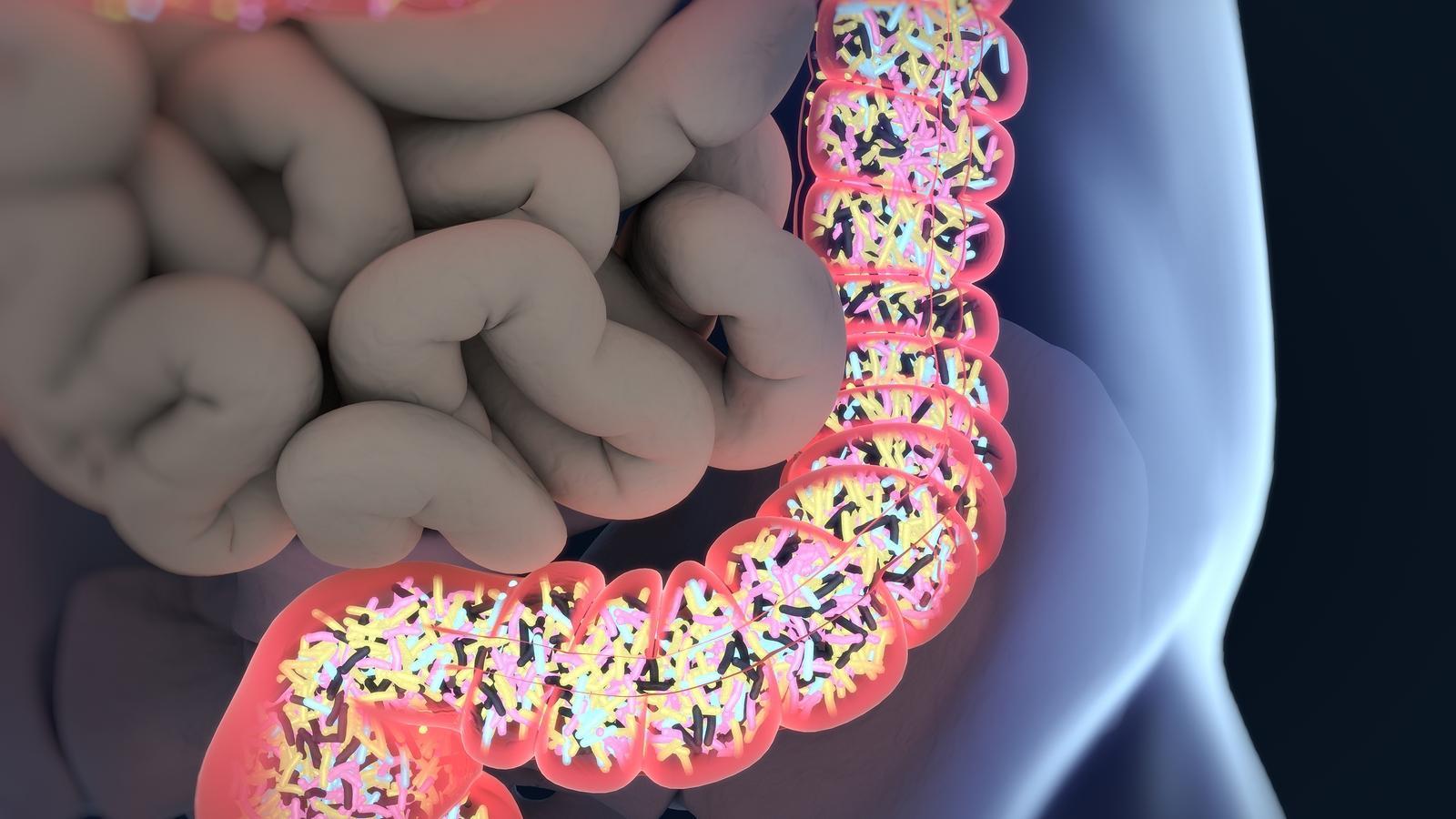
The human digestive system contains trillions of microorganisms that live mainly in the intestines. These microorganisms, including bacteria and other microbes, form a complex community known as the gut microbiome. Because this community can influence digestion, nutrient processing, and other aspects of health, many people are becoming interested in understanding their gut bacteria. A Gut Microbiome Test can provide information about the microorganisms present in a stool sample and help people learn more about their individual gut environment.
For people already using healthcare services for routine health monitoring, a Blood test in Dubai can provide different types of information about the body. Unlike blood testing, microbiome testing focuses specifically on microorganisms found in the digestive tract, giving it a different purpose within a broader approach to health assessment.
What Is a Gut Microbiome Test?
A Gut Microbiome Test is a laboratory analysis designed to examine microorganisms found in a person's digestive system. Most tests use a stool sample because stool contains genetic material and other information from microorganisms living in the intestinal tract.
Depending on the laboratory and testing method, a microbiome analysis may identify different bacterial groups and provide information about microbial diversity. Some tests may also examine other characteristics of the microbial community. The exact information provided can vary between testing providers, so it is important to understand what a particular test actually measures.
Why Is the Gut Microbiome Important?
The gut microbiome plays an important role in normal digestive processes. Certain microorganisms help break down components of food that the human digestive system cannot completely process on its own. Gut bacteria can also produce substances involved in interactions between the microbiome and the body.
A balanced and diverse microbial community is generally considered an important part of digestive wellness. However, the meaning of a healthy microbiome can vary from person to person. There is no single bacterial profile that applies perfectly to everyone.
How Does Gut Microbiome Testing Work?
The testing process usually begins with collecting a stool sample according to the laboratory's instructions. The sample is then sent to a laboratory where specialized techniques are used to examine the microorganisms present.
Modern testing may use DNA-based methods to identify microorganisms. The laboratory analyzes the genetic material and creates a report showing information about the microbial composition of the sample.
The testing process itself is usually straightforward, but interpreting the results can be more complicated. A report may contain scientific terms, bacterial names, diversity measurements, and comparisons with reference information. These results should be considered in context rather than interpreted as a diagnosis by themselves.
What Can a Gut Microbiome Test Show?
A Gut Microbiome Test may provide information about the types and relative amounts of microorganisms detected in a sample. One commonly discussed measurement is microbial diversity, which describes the variety of microorganisms within a community.
The report may also show the presence or relative abundance of particular bacterial groups. Some testing services provide additional information about microorganisms associated with digestion, dietary patterns, or other areas of research.
However, the presence of a particular microorganism does not automatically mean that a person has a health problem. Gut microbiome science is still developing, and researchers continue to study how individual microorganisms interact with diet, lifestyle, medications, genetics, and other factors.
Who Might Consider Microbiome Testing?
People interested in learning more about their digestive health may consider microbiome testing as an informational tool. Someone who wants to explore how lifestyle and dietary habits relate to their gut environment may also find the information interesting.
However, microbiome testing should not replace professional medical evaluation when someone has persistent digestive symptoms. Symptoms such as ongoing abdominal pain, unexplained weight changes, prolonged diarrhea, blood in the stool, or other concerning changes should be discussed with a qualified healthcare professional.
Is the Test Suitable for Everyone?
There is no universal requirement for everyone to have a microbiome test. The usefulness of testing depends on the person's goals and the type of information the test provides.
For some people, learning about the microbiome can encourage greater awareness of diet and digestive wellness. Others may find that the results do not provide actionable information. Understanding the limitations of testing is therefore just as important as understanding its potential benefits.
Factors That Can Affect the Gut Microbiome
The gut microbiome is not fixed. It can change over time due to many factors. Diet is one important influence because the foods a person regularly consumes can affect the nutrients available to gut microorganisms.
Other factors may include physical activity, sleep patterns, age, lifestyle, medications, and general health. Antibiotics are particularly relevant because they can affect bacterial populations in the digestive system.
Because the microbiome can change, a single test represents the microbial community at a particular point in time. It should not necessarily be treated as a permanent picture of someone's gut health.
Understanding Your Test Results
When receiving a Gut Microbiome Test report, it is important to look at the complete report rather than focusing on one bacterial species. A result showing a higher or lower level of a particular microorganism does not automatically indicate that something is wrong.
The laboratory's explanations and reference information can help provide context. If the results raise questions or relate to ongoing digestive symptoms, discussing them with a healthcare professional can help prevent unnecessary conclusions.
Can Microbiome Testing Diagnose Disease?
A microbiome test should not automatically be considered a diagnostic test for disease. Although researchers have identified associations between changes in the gut microbiome and various health conditions, an association does not necessarily prove that one caused the other.
This distinction is important for beginners. A test can provide useful information about microbial composition without providing a definitive explanation for a person's symptoms or overall health.
Gut Health and Everyday Habits
Regardless of whether someone chooses microbiome testing, everyday habits remain important for digestive wellness. Eating a varied diet with appropriate sources of dietary fiber, staying physically active, maintaining adequate sleep, and following appropriate medical advice can all contribute to general health.
Rather than making major lifestyle changes based on one test result, it can be more useful to consider the results alongside dietary habits, symptoms, medical history, and professional guidance.
Final Thoughts
A Gut Microbiome Test offers an interesting way to explore the microorganisms living in the digestive system. It can provide information about microbial composition and diversity, but the results need to be interpreted carefully because microbiome science is still evolving. For beginners, the most important step is understanding what the test actually measures and recognizing that it is only one part of a broader picture of health.
As research continues, our understanding of gut bacteria and their relationship with nutrition and wellbeing is expected to develop further. Used with realistic expectations and appropriate professional guidance, microbiome information can help people become more informed about their digestive health.

 English
 French
 Spanish
 Portuguese
 Deutsch
 Turkish
 Dutch
Dutch
 Italiano
 Russian
 Romaian
 Portuguese (Brazil)
 Greek
Greek
