


How to Reduce Stretch Film Waste in Packaging Operations
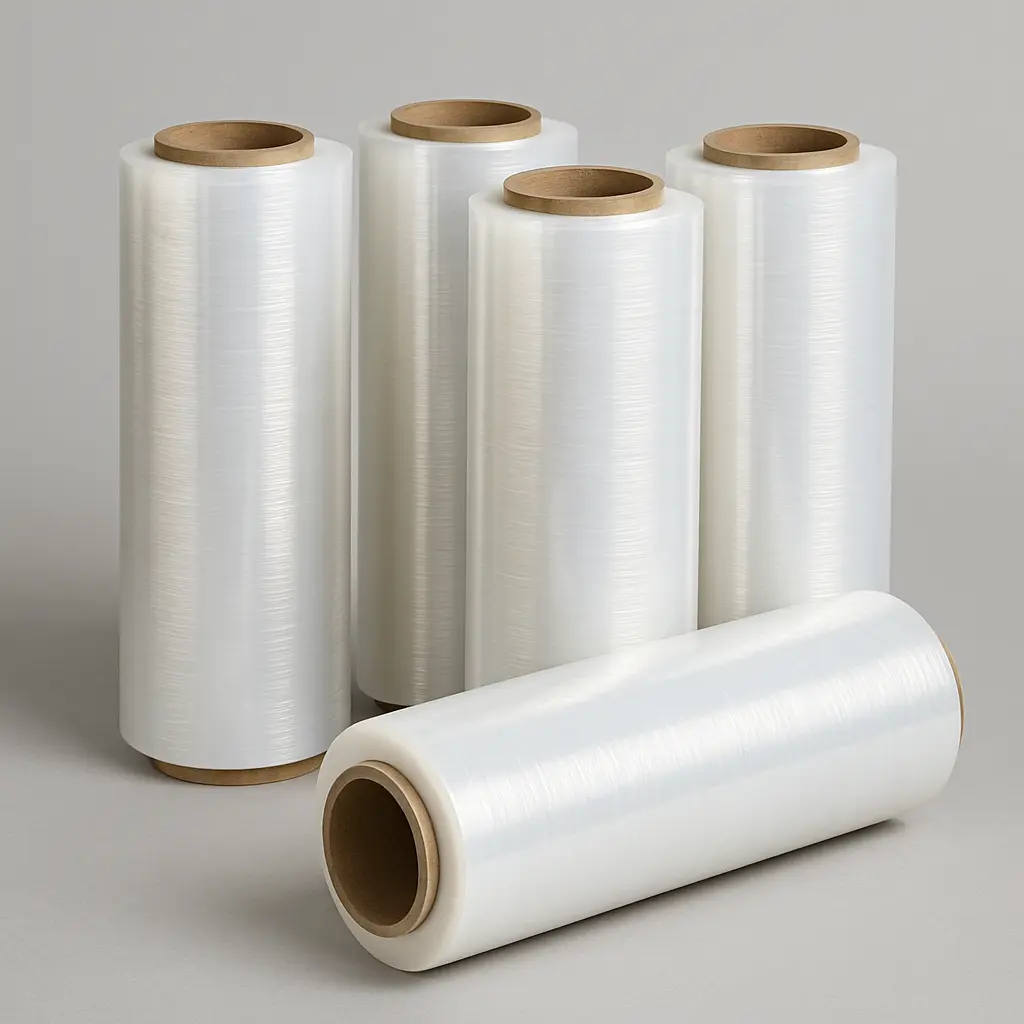
Stretch film plays an essential role in modern packaging operations, particularly for securing pallets, protecting products, and improving load stability during storage and transportation. However, excessive film usage can increase packaging costs and create unnecessary plastic waste. For businesses in the UAE, where logistics, warehousing, manufacturing, and distribution operations are highly active, improving stretch film efficiency can deliver both financial and environmental benefits.
Working with reliable stretch film suppliers in UAE and selecting the right packaging materials are important first steps. However, reducing waste also depends on how stretch film is selected, applied, stored, and monitored.
Choose the Right Stretch Film for the Application
Not every pallet requires the same type or thickness of stretch film. Using a heavier film than necessary can result in unnecessary material consumption. Businesses should evaluate factors such as pallet weight, load dimensions, product shape, transportation distance, and storage conditions before selecting a suitable film.
High-performance stretch films can sometimes provide the required load stability with less material. Instead of focusing only on film thickness, packaging teams should consider film performance, stretch capability, puncture resistance, and holding force.
Optimize Film Stretch During Application
One of the most common causes of stretch film waste is incorrect application. When film is applied manually without controlling tension, operators may use significantly more material than required.
Using stretch wrapping equipment with adjustable tension and pre-stretch settings can help create more consistent wrapping patterns. For businesses handling large pallet volumes, automated or semi-automated wrapping systems can further improve consistency and reduce unnecessary film consumption.
Training employees to maintain appropriate wrapping tension is also important for operations that rely on manual wrapping.
Avoid Over-Wrapping Pallets
More film does not necessarily mean better protection. Applying excessive layers can increase material consumption without providing meaningful improvements in load stability.
Packaging teams should establish standard wrapping procedures based on pallet type and product requirements. For example, guidelines can specify the number of rotations around the base, middle, and top of a pallet. These standards should be reviewed periodically to determine whether film usage can be reduced without compromising product protection.
Inspect and Store Stretch Film Properly
Stretch film can become damaged before it is even used. Poor storage conditions, sharp handling equipment, excessive heat, or direct exposure to unsuitable environmental conditions may affect film quality.
Store rolls in a clean, dry area and protect them from unnecessary physical damage. Employees should also inspect rolls before use. Damaged film may tear during wrapping, resulting in additional film consumption and packaging delays.
Reliable stretch film suppliers in UAE can also help businesses identify suitable film specifications based on their operational requirements.
Measure Packaging Material Consumption
You cannot effectively reduce waste without measuring it. Businesses should track how much stretch film is used per pallet, production batch, shipment, or warehouse operation.
A simple KPI such as grams of stretch film per pallet can provide useful insight into packaging efficiency. If consumption suddenly increases, managers can investigate potential causes such as changes in pallet size, operator practices, film quality, machine settings, or wrapping procedures.
Regular monitoring also makes it easier to identify opportunities for cost reduction.
Select Quality Packaging Materials
Low-quality packaging materials may appear economical initially but can lead to greater waste if the film frequently breaks or requires additional layers. Consistent film performance can help reduce interruptions and unnecessary material usage.
When comparing packaging materials, businesses should evaluate overall performance rather than purchasing based solely on price. Factors such as stretchability, tear resistance, load retention, and application efficiency can influence the actual cost per pallet.
Reduce Waste Without Compromising Load Protection
The goal of reducing stretch film waste is not simply to use less film. It is to use the right amount of film for the required level of protection. Under-wrapping can cause unstable loads, product damage, and transportation problems, potentially creating more waste and higher costs.
For UAE manufacturers, warehouses, retailers, and logistics companies, an effective approach combines suitable materials, controlled application, employee training, equipment optimization, and regular performance monitoring.
Work With the Right Stretch Film Supplier
Reducing packaging waste becomes easier when businesses have access to reliable technical guidance and consistent-quality materials. Stretch film suppliers in UAE can help businesses evaluate their packaging requirements and identify film options suited to different pallet loads and operating conditions.
By choosing appropriate packaging materials, optimizing wrapping processes, monitoring consumption, and continuously improving packaging procedures, UAE businesses can reduce unnecessary stretch film waste while maintaining reliable product protection.
If your business is looking to improve pallet wrapping efficiency and reduce packaging costs, review your current stretch film consumption and speak with a trusted stretch film supplier in UAE about suitable solutions for your operation.
Frequently Asked Questions
1. How can businesses reduce stretch film waste?
Businesses can reduce stretch film waste by selecting the correct film specification, optimizing stretch and tension, avoiding unnecessary wrapping layers, training operators, and monitoring film consumption per pallet.
2. Why is choosing the right stretch film important?
The right stretch film provides adequate load stability and protection without requiring excessive material. Film selection should consider pallet weight, load shape, transportation conditions, and wrapping method.
3. Can stretch wrapping machines reduce film consumption?
Yes. Automated and semi-automated wrapping machines can provide consistent film tension and pre-stretch, which may reduce unnecessary film usage compared with inconsistent manual wrapping.
4. How should stretch film be stored?
Stretch film should be stored in a clean, dry area and protected from physical damage, excessive heat, and unsuitable environmental conditions. Proper storage helps maintain film performance and reduce breakage.

 English
 Arabic
 French
 Spanish
 Portuguese
 Deutsch
 Turkish
 Dutch
Dutch
 Italiano
 Russian
 Romaian
 Greek
Greek
