


Planning Reliable Electrical Infrastructure for Industrial Facilities
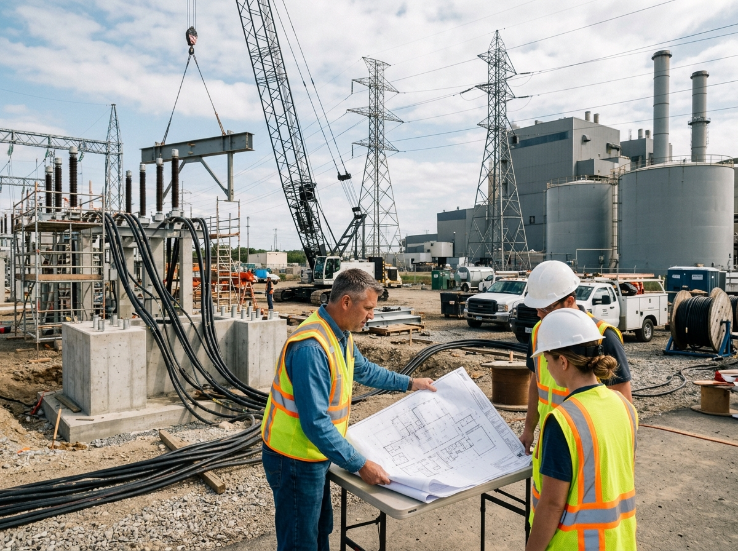
Industrial facilities depend on electrical power for production equipment, motors, controls, lighting, ventilation, automation, communications, and safety systems. When power is unstable or an electrical component fails, the impact can spread quickly through the operation.
A strong industrial electrical plan needs to consider much more than simply supplying enough electricity. Equipment requirements, distribution, protection, maintenance, expansion, environmental conditions, and operational safety all influence how well the system performs. Careful planning can make the electrical infrastructure easier to operate and maintain over time.
Start With the Facility’s Real Power Requirements
Industrial facilities may contain equipment with very different electrical demands. Motors, compressors, pumps, heaters, production machinery, and automated systems can create substantial loads, sometimes with different operating patterns throughout the day.
The first step is to understand what equipment is currently installed and what the facility may add later. Electrical planning based only on present loads can create limitations when production expands. Reviewing both current demand and realistic future requirements provides a stronger foundation for system design.
Think About Power Distribution From the Start
Electricity needs to move through the facility safely and efficiently from the main supply to individual equipment and work areas. The distribution system should be organized so that circuits, panels, disconnects, and equipment connections are clearly arranged and accessible for maintenance.
Poor distribution planning can make troubleshooting harder and create unnecessary downtime when one fault affects a larger section of the facility than expected. A well-organized system makes it easier to isolate problems and carry out service without unnecessarily disturbing unrelated equipment.
Consider Equipment Starting Loads
Industrial motors and other equipment may behave differently during startup than during normal operation. Some loads can draw significantly more current when first energized, which needs to be considered when planning circuits and protective devices.
Ignoring starting characteristics can contribute to nuisance trips or voltage-related equipment problems. Electrical planning should therefore consider how machines start, stop, and operate together rather than evaluating each machine only from its normal running demand.
Protect Critical Industrial Equipment
Some production equipment is more important to operations than others. A failure affecting one machine may be inconvenient, while the loss of a critical control or production system may stop an entire process.
The electrical design should identify the equipment that has the greatest operational impact. Depending on the facility, this may influence circuit arrangements, backup power considerations, protective devices, monitoring, or maintenance strategies. The objective is to reduce the chance that one electrical problem creates a larger operational failure.
When Specialized Electrical Support Is Needed
Industrial power systems require electrical planning that accounts for equipment loads, distribution, controls, safety, and operating conditions. Industrial environments can be more complex than typical commercial or residential installations because they may involve machinery, automation, and larger electrical loads.
Industrial electrical work can include installation, troubleshooting, equipment connections, system improvements, and maintenance planning. The exact work depends on the facility and the equipment it operates. A detailed assessment helps identify where power quality, distribution, protection, or equipment connections may need attention.
Review the Condition of Existing Equipment
Industrial electrical systems can accumulate modifications over many years. Machines may be replaced, circuits may be extended, and production areas may be rearranged. Without periodic review, the electrical infrastructure can become harder to understand and maintain.
Look for aging panels, damaged enclosures, loose connections, deteriorated wiring, missing labels, and areas that have been modified repeatedly. A facility does not necessarily need complete replacement simply because parts of the electrical system are old. The important consideration is the current condition and whether it continues to meet operational requirements.
Keep Safety at the Center of Maintenance
Industrial electrical maintenance can involve energized equipment, high electrical loads, rotating machinery, and other hazards. Maintenance procedures should therefore be based on appropriate safety practices and the specific equipment involved.
Workers should have clear procedures for reporting electrical problems and taking equipment out of service when necessary. Electrical faults should not be ignored because production is busy. A short-term delay may be easier to manage than an unexpected equipment failure or safety incident.
Label Panels, Circuits, and Disconnects Clearly
Accurate labeling is a simple part of electrical organization that can make a significant difference during maintenance. Workers and technicians need to know which panel, disconnect, or circuit serves a particular machine or area.
Labels should remain accurate when equipment or circuits are changed. Outdated labels can waste troubleshooting time and may increase the chance of a circuit being isolated incorrectly. Keeping electrical documentation current is therefore part of maintaining a usable industrial system.
Think About Heat and Environmental Conditions
Industrial environments can expose electrical equipment to dust, moisture, heat, chemicals, vibration, or other challenging conditions. Components that work well in one environment may need additional protection in another.
Equipment enclosures, ventilation, placement, cleaning, and maintenance practices should take environmental conditions into account. A recurring electrical fault may sometimes be linked not only to the component itself but also to the conditions surrounding it.
Plan Maintenance Before Failure
Industrial electrical maintenance should not be limited to emergency repairs. Regular inspections can identify signs of wear, overheating, loose connections, damaged components, or other developing issues before they cause a production interruption.
A documented maintenance routine can also make it easier to prioritize work. Critical equipment should receive attention based on its operational importance and condition, while less urgent improvements can be scheduled around production requirements.
Review Electrical Safety Procedures
A facility's electrical system can be technically sound while maintenance practices still create unnecessary risk. Procedures should clearly explain how electrical equipment is isolated, who is authorized to perform electrical work, and how problems are reported.
The facility should also review procedures after major equipment changes or electrical modifications. Updating safety practices when the system changes helps keep procedures aligned with the actual work environment.
Prepare for Future Expansion
Industrial facilities often evolve as production requirements change. New machinery, automation, additional work areas, and upgraded processes can all increase electrical demand.
Future planning should consider where additional capacity may be needed and whether the current distribution arrangement can support realistic expansion. Making thoughtful infrastructure decisions during one project may reduce the amount of disruptive electrical work needed during the next stage of growth.
Final Thoughts
Reliable industrial electrical infrastructure depends on good planning, accurate load information, organized distribution, proper protection, maintenance, and clear safety procedures. The goal is not simply to keep equipment powered. It is to create an electrical system that supports production while remaining manageable, maintainable, and safe.
One useful concept is the industrial control system, which manages or regulates industrial processes through electrical, electronic, and digital components. Understanding how power and control systems interact helps explain why industrial electrical planning must consider the facility as a connected system rather than a collection of separate machines.

 Arabic
 French
 Spanish
 Portuguese
 Deutsch
 Turkish
 Dutch
Dutch
 Italiano
 Russian
 Romaian
 Portuguese (Brazil)
 Greek
Greek
