


How Long Does a Lipstick Factory Need for Production
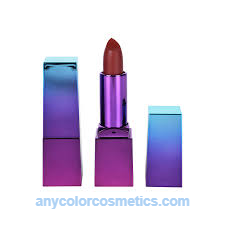
When a beauty brand starts planning a new lip product, production time quickly becomes an important part of the purchasing discussion. A lipstick factory has to arrange several connected stages before products can leave the facility, and the actual manufacturing period is only one part of the process. Formula selection, shade development, raw material preparation, packaging, sample approval, filling, assembly, inspection, and shipment arrangements can all influence the schedule. For brands exploring private label cosmetics, anycolorcosmetics offers a range of color makeup products and manufacturing services that can be considered during product planning. So, what factors usually determine how long a lipstick project takes from the first request to finished goods?
Product Development Comes First
A lipstick project may begin with an existing formula, a reference product, or a completely new concept. These situations can create very different preparation requirements. When a brand chooses an established product format, the manufacturer may mainly need to confirm specifications, shades, packaging, and order details. A new formula can require additional sample development, adjustment, and approval before regular manufacturing begins.
Shade selection is another important part of this stage. Lip products are closely associated with color, and buyers may have specific expectations regarding tone, coverage, finish, or texture. A shade reference supplied by a brand needs to be assessed and matched with the selected formula. If changes are requested after sampling, another round of development may be needed.
This is why it can be useful to distinguish product development from factory production. A buyer may consider the entire project as one timeline, while the manufacturer may divide it into preparation, approval, manufacturing, inspection, and delivery stages.
Raw Materials and Packaging Affect Timing
Once the product specification has been established, raw materials become part of the production schedule. Lipstick formulas can contain waxes, oils, pigments, emollients, and other cosmetic ingredients. Their availability, specifications, and inspection requirements need to be considered before manufacturing starts.
Packaging has a similar influence. A standard lipstick tube can follow an existing supply process, while customized packaging may involve artwork approval, printing, surface treatment, labeling, cartons, or other components. If a brand wants its own logo and visual design, these details should be confirmed before the main production arrangement is finalized.
Packaging is particularly important for private label projects because the cosmetic itself and its external presentation need to arrive at the appropriate production stage together. Delays in one component can affect the coordination of the entire order.
For this reason, buyers can provide packaging specifications and artwork at an early stage. Clear information about container size, label content, logo placement, carton design, and finish can reduce repeated communication during preparation.
What Happens Inside the Production Process?
After the product formula, shade, raw materials, and packaging requirements have been confirmed, manufacturing can proceed according to the approved specifications. Ingredients are prepared and processed under controlled conditions, followed by filling or molding according to the product format. Cooling, assembly, surface treatment, and packing may follow as required.
Quality inspection is included throughout this process. The appearance of a lipstick, its color consistency, texture, filling condition, packaging integrity, and labeling all need to correspond with the agreed specifications. For a cosmetic brand, these details matter because finished products represent the brand identity when they reach distributors, retailers, or consumers.
Zhejiang NiFei Cosmetic Co., Ltd. describes its manufacturing procedures as including raw material inspection, mixing, color checking, filling, assembly, and final packing. The company also states that its facilities follow GMPC and ISO22716 standards and support private label and customized cosmetic production.
Production arrangements can therefore vary according to the product itself. A straightforward project using an existing formula and standard packaging may follow a relatively direct path, while a customized collection involving new shades, special packaging, or formula development naturally requires additional coordination.
How Can Buyers Prepare for Production?
A well-prepared product brief can make communication between a brand and manufacturer much easier. Buyers can provide the desired product type, shade references, finish, texture, package requirements, logo information, labeling details, order quantity, and expected delivery schedule. The clearer these details are, the easier it becomes for the production team to understand the scope of the project.
Sample approval deserves particular attention. A sample gives the buyer an opportunity to examine the actual product rather than relying only on descriptions or images. The color, texture, appearance, container, and other specifications can be checked before regular manufacturing begins.
It is also useful to ask the manufacturer which components need approval before production. Some projects may require separate confirmation for formula, shade, packaging artwork, printed materials, or finished samples. Knowing these requirements in advance helps buyers arrange internal approvals without unnecessarily interrupting the manufacturing schedule.
Communication also plays a practical role. When changes are introduced after materials have been prepared or production has been arranged, the original schedule may need to be adjusted. Providing consolidated feedback instead of sending frequent individual changes can make the development process easier for both sides.
Private Label Lipstick Production
Private label cosmetics can follow a range of production models. Some brands select an existing product and customize the packaging, while others request adjustments to color, texture, finish, or formula. The amount of customization naturally influences the preparation work.
NiFei Cosmetic provides color cosmetic products covering lip gloss, lipstick, mascara, liquid eyeliner, concealer, blush, contour products, and makeup kits. Its services include private label and customized cosmetics, allowing brands to discuss product specifications according to their own market plans.
For buyers who are building a new collection, having several product categories available from one manufacturer can also simplify communication. A brand may begin with a lipstick project and later consider matching lip gloss, eye makeup, or complexion products for the same product line.
The manufacturer's experience with different cosmetic formats can be useful when a brand wants to maintain a consistent visual style across several items. Packaging materials, labeling, product presentation, and other brand details can then be discussed within the wider cosmetic project.
Factors That Can Change the Schedule
There is no single production period that applies to every lipstick order. The schedule depends on the type of product, customization requirements, material availability, packaging arrangement, sample approvals, and order planning.
A ready formula with existing packaging can follow a different path from a new formula that requires several development stages. Custom packaging can also require additional preparation when printing, special finishes, or new components are involved.
Order quantity may affect production arrangements as well. Larger projects can require additional scheduling coordination, while smaller projects may depend on available production arrangements and material quantities. Buyers should therefore request a project-specific timeline rather than relying on a general manufacturing estimate.
Seasonal demand can also affect factory planning. Cosmetic brands preparing products for a particular launch period should communicate their expected delivery window as early as possible. This gives the manufacturer a clearer basis for arranging materials and production capacity.
Working With a Suitable Manufacturing Partner
A production schedule is only one part of a successful cosmetic sourcing project. Buyers may also want to examine the manufacturer's product range, formulation support, quality procedures, packaging options, customization experience, and communication process.
Zhejiang NiFei Cosmetic Co., Ltd. has been involved in color cosmetic manufacturing for years and offers products for brands seeking private label and customized solutions. Its product portfolio covers several areas of decorative cosmetics, making it possible for buyers to explore different formats while discussing their individual requirements.
For lip product sourcing, the available selection includes lipstick and lip gloss products with different application concepts and customization possibilities. Buyers can review the product range, consider suitable formats, and communicate their requirements with the manufacturing team according to the needs of their own brand.
Zhejiang NiFei Cosmetic Co., Ltd. provides lipstick and lip gloss products for brands looking at private label and customized cosmetic projects, with product specifications, shades, textures, and packaging discussed according to individual requirements. For buyers comparing a lipstick factory for a new collection, the lip gloss and lipstick range at https://www.anycolorcosmetics.com/ offers product information that can help with initial selection and project communication. Brands can also contact the company to discuss suitable formats, packaging details, and other requirements for their planned cosmetic line.

 English
 Arabic
 French
 Spanish
 Portuguese
 Deutsch
 Turkish
 Dutch
Dutch
 Italiano
 Romaian
 Portuguese (Brazil)
 Greek
Greek
