


Teeth Cleaning: Care and Maintenance Tips
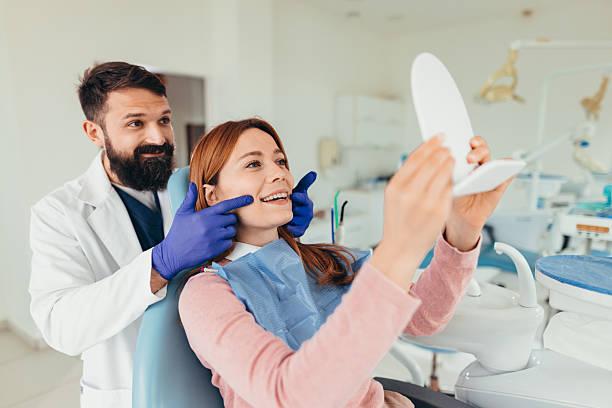
Maintaining clean teeth requires consistent care both at home and through professional dental visits. For patients considering Teeth Cleaning in Dubai, understanding proper maintenance after a cleaning appointment can help extend the benefits of professional care. While dental cleaning removes plaque, tartar, and certain surface stains, everyday habits play an equally important role in keeping teeth and gums healthy.
Why Maintenance Matters After Teeth Cleaning
Professional cleaning removes deposits that may be difficult to eliminate with ordinary brushing. However, plaque begins forming again naturally after eating and drinking. Without regular home care, new buildup can gradually develop on the teeth.
Maintaining a consistent oral hygiene routine can help control plaque and reduce the accumulation of tartar between professional appointments. It also supports healthier gums and helps keep the mouth feeling fresh.
Good maintenance is therefore not a one-time activity. It is an ongoing part of preventive dental care.
Brush Your Teeth Correctly
Brushing twice a day with fluoride toothpaste is one of the most important habits for maintaining clean teeth. A soft-bristled toothbrush can help clean the teeth while being gentle on the gums.
Patients should use gentle, controlled movements rather than applying excessive pressure. Brushing too aggressively can irritate the gums and may contribute to wear around the tooth surfaces.
It is important to clean all accessible tooth surfaces, including the outer, inner, and chewing surfaces. The gumline should also receive careful attention because plaque can easily collect in this area.
Clean Between Your Teeth
A toothbrush cannot effectively reach every space between the teeth. Flossing or using an appropriate interdental cleaning method can help remove food particles and plaque from these areas.
Cleaning between the teeth once a day can complement regular brushing and support healthier gums. Patients who find traditional floss difficult to use can ask their dental professional about interdental brushes or other suitable alternatives.
Dental Clinic: Personalized Cleaning and Maintenance
A professional Dental Clinic can help patients understand which oral hygiene methods are most suitable for their individual needs. During routine appointments, the dental team can identify areas where plaque tends to accumulate and provide practical recommendations.
Professional visits also allow the condition of the teeth and gums to be monitored. If a patient develops excessive tartar, gum irritation, sensitivity, or another concern, the dental team can recommend appropriate next steps.
Personalized guidance can make daily oral care more effective and easier to maintain.
Keep Your Toothbrush Clean
Your toothbrush should also be maintained properly. After brushing, rinse it thoroughly with water and allow it to air-dry in an upright position.
Avoid storing a wet toothbrush in a closed container for extended periods, as a damp environment may encourage bacterial growth. Toothbrushes should also be replaced when the bristles become worn or damaged.
For electric toothbrush users, the brush head should be replaced according to the manufacturer's recommendations or when the bristles show signs of wear.
Watch Your Diet
Diet can have a significant influence on oral health. Frequently consuming sugary foods and drinks can increase exposure to acids produced by oral bacteria, which may contribute to tooth decay.
Patients can support their teeth by limiting frequent sugary snacks and choosing balanced meals. Drinking water throughout the day can also help maintain a cleaner oral environment.
Sticky foods that remain on the teeth for long periods may also be worth limiting, particularly when regular brushing is not immediately possible.
Drink More Water
Water is a simple addition to a healthy oral hygiene routine. Drinking water after meals can help rinse away some food particles and maintain moisture in the mouth.
A dry mouth can contribute to discomfort and may affect the natural protective functions of saliva. Staying adequately hydrated can therefore support general oral comfort and oral hygiene.
Water is also preferable to frequently consuming sugary beverages, which can increase the amount of sugar and acid exposure experienced by the teeth.
Avoid Habits That Can Affect Your Teeth
Certain habits can make it more difficult to maintain clean and healthy teeth. Smoking and tobacco use can contribute to staining and may negatively affect gum health.
Patients should also avoid using their teeth to open packages, bite hard objects, or perform tasks unrelated to eating. These habits can increase the risk of chips, cracks, and other dental damage.
If you grind or clench your teeth, discuss the habit with a dental professional. Depending on the situation, a suitable protective approach may be recommended.
Schedule Regular Dental Visits
Home care is essential, but professional dental appointments remain an important part of oral maintenance. Dental professionals can remove tartar that cannot be eliminated through ordinary brushing and flossing.
The recommended frequency of appointments depends on individual needs. Patients with frequent tartar buildup or gum concerns may need more regular monitoring than those with consistently good oral health.
Routine visits can also help identify changes in the teeth and gums before they become more difficult to manage.
Pay Attention to Changes in Your Mouth
Maintaining good oral health also means noticing changes in the mouth. Persistent bleeding gums, swelling, sensitivity, bad breath, tooth pain, or changes in tooth appearance should be discussed with a dental professional.
These symptoms can have different causes and may require more than routine cleaning. Early professional evaluation can help determine what is happening and whether additional care is needed.
Keep Up With Professional Cleaning
Even with excellent home care, some tartar may eventually accumulate. Professional cleaning can remove these hardened deposits and provide an opportunity to review your oral hygiene routine.
Keeping appointments according to your dentist's recommendations can help maintain cleaner tooth surfaces and support healthy gums.
The goal is not simply to have clean teeth immediately after an appointment but to develop habits that help maintain oral health between visits.
Final Thoughts
Teeth Cleaning is most effective when professional care is combined with consistent daily maintenance. Brushing properly, cleaning between the teeth, drinking water, making balanced dietary choices, and attending regular dental appointments can help control plaque and support healthy gums. Building these habits into your everyday routine can help maintain a cleaner, healthier smile for the long term.

 English
 Arabic
 French
 Spanish
 Portuguese
 Deutsch
 Turkish
 Dutch
Dutch
 Italiano
 Russian
 Romaian
 Greek
Greek
