


Can a Quick Joint Be Used for Air Compressors and Water Systems
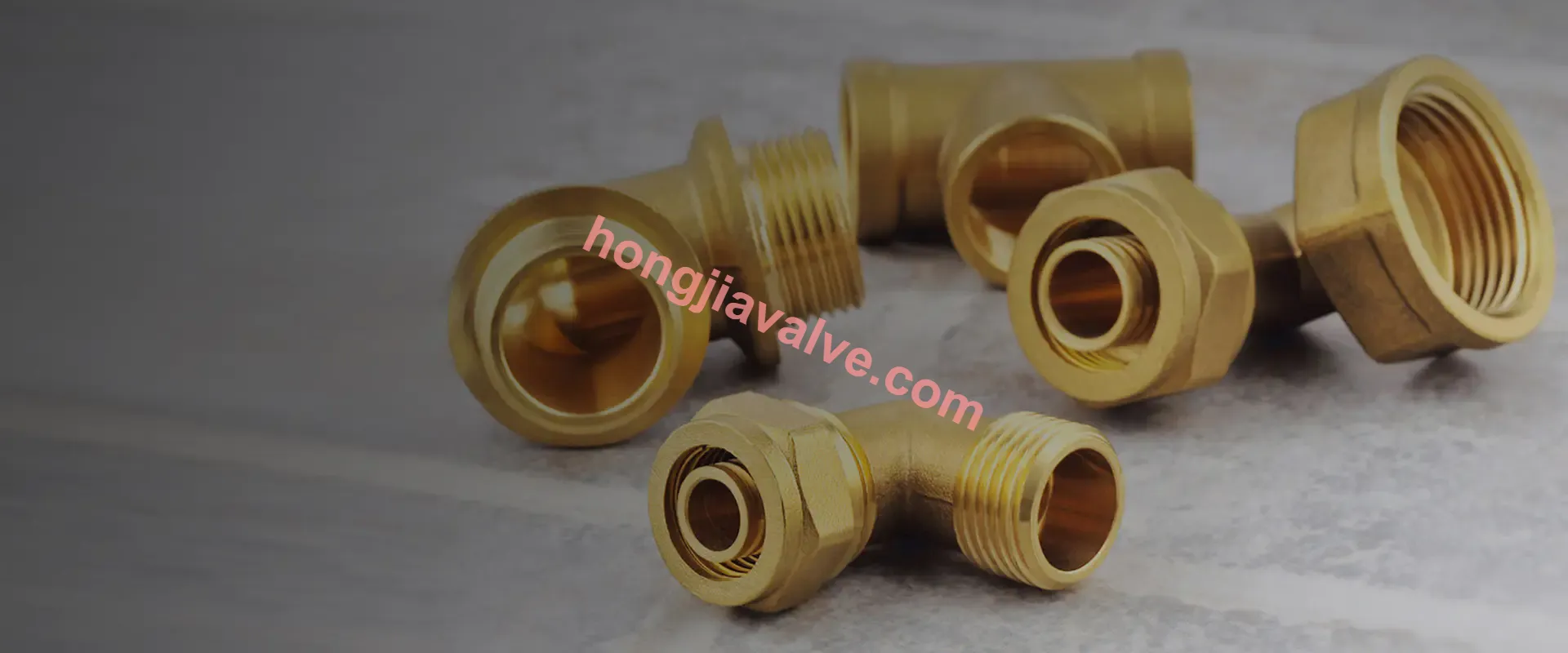
A workshop owner stands before a rack of fittings, holding a quick joint in one hand. His air compressor needs a new connection. His water line needs one too. He wonders whether a single type of fitting can serve both systems, or whether each medium demands its own design. This question surfaces in garages, factories, and farms where compressed air and water lines run side by side. hongjiavalve produces fittings for plumbing and pneumatic use, and their catalog shows how material and seal choices shift between applications. Can one quick joint truly handle both air and water?
Water and compressed air behave in different ways. Water moves as a liquid, carrying weight and pressure through the pipe. It can freeze, corrode metal, and leave mineral deposits behind. Compressed air moves as a gas, expanding and contracting with temperature changes. It carries moisture from the compressor, which settles in low points and rusts steel from within. A fitting that ignores these differences may fail early, leak at the joint, or contaminate the line.
Material selection answers part of the question. Brass resists corrosion from water and suits many plumbing installations. Stainless steel handles both media and stands up to harsh conditions. Reinforced polymer works well in pneumatic lines where weight matters and chemical exposure stays low. A quick joint built for water may use seals rated for liquid pressure. A quick joint built for air may use seals rated for gas and higher burst strength. The two designs look similar on a shelf but behave differently under load.
Seal design matters just as much. Water lines benefit from seals that resist swelling and mineral buildup. Air lines benefit from seals that hold under rapid pressure changes and vibration from a running compressor. An O-ring chosen for water service may harden when exposed to compressor oil carryover. An O-ring chosen for air service may soften when exposed to chlorinated water. Matching the seal to the medium prevents slow leaks that waste energy and damage equipment.
Pressure ratings guide safe use. Compressed air systems often run at pressures that spike when a tool stops or a valve closes. Water systems run at steadier pressures but can surge when a pump kicks on. A quick joint rated for water pressure may not survive the shock loads common in air systems. A quick joint rated for air may lack the corrosion resistance needed in a water line. Reading the manufacturer rating for each medium removes guesswork.
Temperature adds another layer. Compressed air leaves a compressor at elevated heat before it cools in the line. Water lines may carry hot water from a heater or cold water from a main. A fitting must hold its seal across the temperature range of the system. Rubber compounds soften when hot and stiffen when cold. A joint chosen without regard to temperature may leak in winter or fail in summer.
Standards and certifications separate fittings by intended use. Plumbing codes govern water connections in many regions. Pneumatic systems follow their own safety practices. A fitting approved for one use may lack approval for the other. Contractors who mix fittings across systems risk inspection failures and insurance problems. Reading the label and the datasheet takes a moment and avoids costly rework.
Practical experience offers guidance. Many workshops keep separate stocks of fittings for air and water, even when the sizes match. The habit prevents mix-ups during repairs. A worker reaching for a fitting in a hurry may grab the wrong one if both sit in the same bin. Color coding or labeled drawers solve this problem and keep each system running with the right parts.
Some quick joints do cross over. A fitting made from stainless steel with a compatible seal may serve both air and water within a defined pressure and temperature range. The manufacturer datasheet tells the user whether the part suits both media. When the datasheet lists both, the fitting can serve either system. When it lists only one, the user should respect that limit. HongJia Valve publishes these details for each product so buyers can check before they install.
For a workshop that runs air tools and water lines under one roof, the safe path involves matching each fitting to its medium. A joint rated for water pressure may hold air for a while, yet the reverse often fails sooner. The cost of a correct fitting stays low compared to the cost of a burst line or a ruined compressor. Buyers who study the ratings find the right part the first time and avoid repeat trips to the supply house.
hongjiavalve manufactures brass valves, fittings, and quick joints for plumbing and industrial use, with products shipped to Europe, America, and other regions. Their quick joint series at https://www.hongjiavalve.com/ covers options for various pipe diameters and working pressures, and the product pages list the materials and seals used in each model. A buyer who reads those details can match a joint to an air compressor or a water line with confidence. Does your current fitting match the medium running through it?

 English
 Arabic
 French
 Spanish
 Portuguese
 Deutsch
 Turkish
 Dutch
Dutch
 Italiano
 Russian
 Portuguese (Brazil)
 Greek
Greek
