


IV Drip at Home: Simple Care Explained
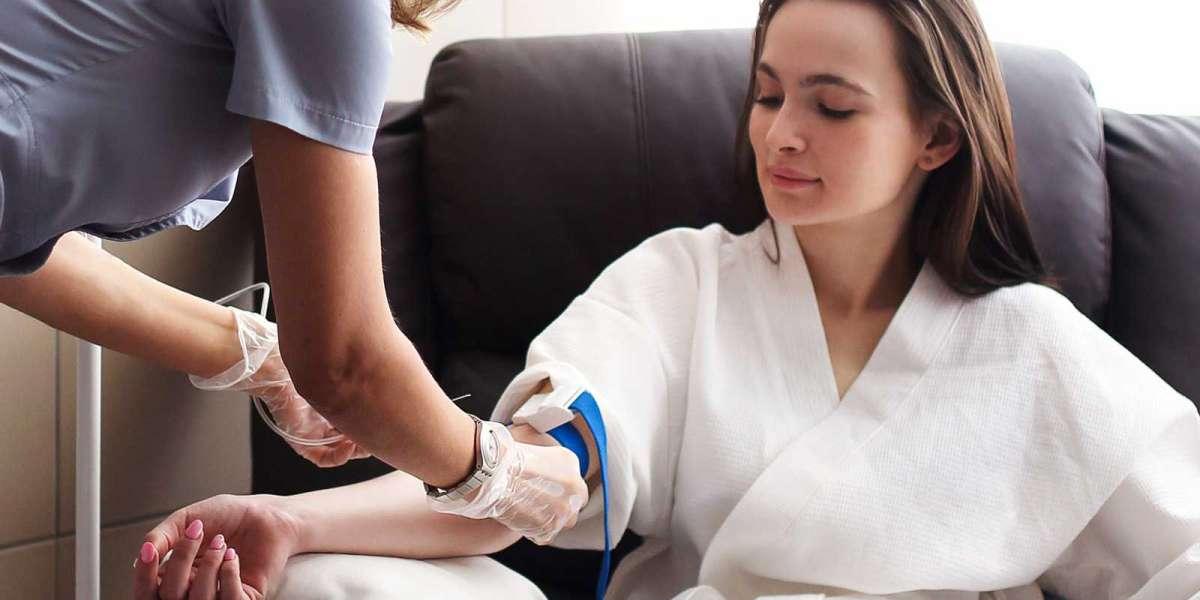
IV Drip at Home is a home healthcare service that allows eligible patients to receive prescribed intravenous treatment without traveling to a clinic. A qualified healthcare professional visits the patient's home, reviews the treatment requirements, prepares the necessary medical supplies, and administers the infusion according to the appropriate care plan. This approach can make suitable treatment more convenient while maintaining professional medical support.
Getting Professional Medical Support
A Doctor at home in Dubai can assess a patient's condition and provide guidance about appropriate home healthcare when needed. Before an IV treatment is provided, the healthcare professional may review the patient's medical history, current symptoms, medications, allergies, and previous reactions to treatment. This assessment helps determine whether an IV infusion is suitable for the individual.
How Intravenous Therapy Works
Intravenous therapy delivers prescribed fluids, electrolytes, medications, or other medically indicated substances directly into a vein. A trained healthcare professional uses an IV catheter to establish access to the vein and connects it to the prescribed solution.
The infusion is delivered at a controlled rate based on the treatment plan. Since the treatment enters the bloodstream directly, it requires proper medical technique, sterile equipment, and appropriate monitoring.
Why Patients May Choose Home Treatment
Traveling to a clinic is not always convenient. Patients recovering from an illness, people with limited mobility, or individuals who have difficulty arranging transportation may prefer suitable healthcare services at home.
Home IV care can also reduce time spent traveling and waiting for an appointment. Patients can remain in a familiar environment while receiving treatment from a qualified professional.
However, home treatment is not automatically appropriate simply because it is convenient. The patient's healthcare needs should determine whether IV therapy is suitable.
Who May Be Suitable for IV Therapy?
Suitability varies from one patient to another. Some people may require intravenous fluids or medications as part of a medically determined treatment plan. Others may not need IV therapy and may receive more appropriate care through oral fluids, medication, rest, or another treatment approach.
A healthcare professional should assess the individual before treatment. This helps ensure that the treatment is connected to a genuine healthcare need rather than being selected without adequate evaluation.
The Importance of Medical Assessment
A medical assessment provides an opportunity to identify factors that may affect IV treatment. The healthcare professional may ask about existing medical conditions, medications, allergies, previous IV treatments, and recent changes in health.
Patients should provide complete and accurate information. They should also mention any symptoms that have appeared recently, even if those symptoms seem unrelated to the planned infusion.
What Happens Before the Infusion?
Before starting an IV drip, the healthcare professional confirms the treatment plan and prepares the required equipment. The patient may have relevant vital signs checked when appropriate.
The healthcare professional then selects a suitable vein and uses appropriate sterile technique to insert the IV catheter. Once the catheter is positioned correctly, the prescribed infusion is connected.
Patients should feel free to ask questions about the treatment before it begins. Understanding what is being administered and why can make the process clearer and more comfortable.
What Happens During IV Treatment?
During the infusion, the patient can generally remain seated or comfortably positioned. The healthcare professional administers the prescribed solution at the appropriate rate and may monitor the patient depending on the type of treatment.
Patients should communicate immediately if they notice significant pain, swelling near the IV site, dizziness, unusual discomfort, or another unexpected symptom. Early communication allows the healthcare professional to assess the situation and respond appropriately.
Why Sterile Equipment Matters
Sterile equipment and proper hygiene are essential for intravenous treatment. Because an IV catheter provides direct access to the bloodstream, inappropriate technique can increase the risk of complications.
Qualified healthcare professionals should use appropriate supplies and follow infection-control procedures throughout the treatment. Medical equipment should also be handled and disposed of according to appropriate healthcare practices.
Preparing Your Home for Treatment
Patients can prepare a clean, comfortable area before the healthcare professional arrives. Enough space should be available for the professional to organize equipment and perform the procedure safely.
Keeping a list of medications, relevant medical records, and allergy information available can also help. Patients should follow any preparation instructions provided by the healthcare provider.
Aftercare Following an IV Infusion
Once the infusion is complete, the healthcare professional removes the IV catheter and provides appropriate aftercare guidance. Patients should observe the insertion site and report unusual redness, swelling, significant pain, or other concerning changes.
Follow-up care depends on the reason for treatment. Some patients may require additional monitoring or medical care, while others may simply continue with their existing healthcare plan.
When Emergency Care Is More Appropriate
Home IV therapy should not be used as a replacement for emergency medical services. Patients experiencing severe chest pain, serious breathing difficulty, fainting, uncontrolled bleeding, or rapidly worsening symptoms may need urgent evaluation in a hospital or emergency department.
When emergency symptoms are present, seeking appropriate urgent medical attention should take priority over waiting for a scheduled home treatment.
Questions to Ask Before Choosing Home IV Care
Patients can make an informed decision by asking who will administer the treatment, what the infusion contains, why it has been recommended, how the procedure will be monitored, and what aftercare will be provided.
It is also reasonable to ask whether a medical assessment is required and whether the healthcare provider has appropriate procedures for managing unexpected reactions during treatment.
Final Thoughts
IV Drip at Home can make medically appropriate intravenous treatment more convenient for eligible patients. The process involves professional assessment, preparation, sterile IV equipment, controlled administration, monitoring, and aftercare. Understanding these steps can help patients approach home IV treatment with realistic expectations and make healthcare decisions based on their individual needs.

 English
 Arabic
 French
 Spanish
 Portuguese
 Deutsch
 Turkish
 Dutch
Dutch
 Italiano
 Russian
 Portuguese (Brazil)
 Greek
Greek
