


Ceramic Crown: What to Expect
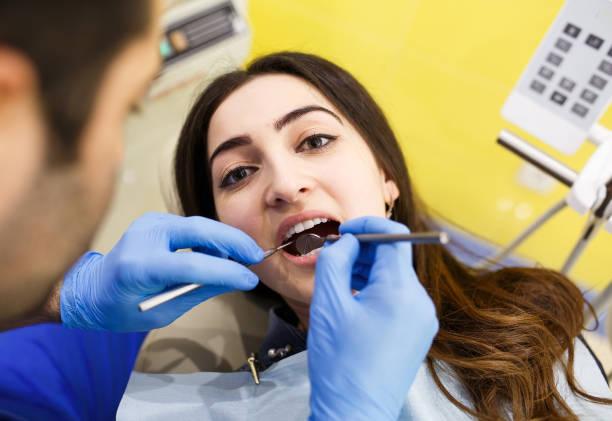
A Ceramic Crown in Dubai can help restore a tooth that has been weakened, damaged, heavily worn, or affected by extensive decay. If your dentist recommends this type of restoration, understanding each stage can make the experience more comfortable and predictable. From the initial examination to the final fitting, several steps are involved in creating a crown that fits the tooth and works naturally with your bite.
Your Initial Dental Consultation
The process usually begins with a detailed dental examination. Your dentist will assess the affected tooth, surrounding teeth, gums, and bite. X-rays or other diagnostic techniques may be used to understand the condition of the tooth beneath the visible surface.
During the consultation, your dentist can also discuss the reason for recommending a crown and explain other restoration options if they are appropriate. This helps ensure that the chosen approach matches the condition and needs of the tooth.
Tooth Preparation
If a ceramic crown is considered suitable, the affected tooth is prepared for the restoration. The dentist removes a controlled amount of damaged or existing tooth structure to create sufficient space for the crown.
The amount of preparation depends on the tooth and the type of ceramic restoration being used. The goal is to create a stable foundation while preserving as much healthy natural structure as possible.
Dental Clinic: What Happens During the Appointment
A professional Dental Clinic carefully plans the crown procedure to achieve an accurate fit. After preparation, the dentist may use a digital scanner or traditional impression to record the shape of the prepared tooth.
The shade of the ceramic can also be selected to complement the surrounding teeth. For visible teeth, careful shade matching can help the finished restoration blend naturally with the smile.
Temporary Protection
Depending on the procedure and laboratory timeline, a temporary crown may be placed while the permanent ceramic crown is being prepared. This temporary restoration helps protect the prepared tooth and allows normal daily activities.
You may be advised to avoid particularly sticky foods or excessive pressure around the temporary crown. Maintaining gentle but consistent oral hygiene is also important during this period.
Creating Your Permanent Crown
The information collected during your appointment is used to create the permanent ceramic crown. Digital dental technology or traditional laboratory techniques may be used depending on the dental practice and restoration.
The crown is customized according to the shape, size, shade, and position of the tooth. This helps the restoration fit within the existing dental structure rather than appearing like a separate object.
Trying in the Final Crown
When the permanent crown is ready, your dentist will check it before securing it. The fit around the prepared tooth, appearance, contacts with neighboring teeth, and overall bite are carefully evaluated.
You may be asked to bite down several times so the dentist can identify any areas that need adjustment. This stage is important because even a small bite discrepancy can affect comfort.
Securing the Crown
Once the crown has been checked and adjusted, it is permanently attached to the prepared tooth using an appropriate dental cement or bonding system.
The dentist will perform a final bite check and make any necessary minor adjustments. The goal is for the restoration to feel comfortable during normal speaking, chewing, and biting.
What You May Feel Afterwards
Some patients experience temporary sensitivity after the procedure. The gums around the prepared tooth may also feel slightly tender for a short period.
These sensations can occur as the tooth and surrounding tissues adjust. If pain continues, the crown feels unusually high when biting, or you experience persistent sensitivity, contact your dental professional for an assessment.
Adjusting to Your New Crown
Once the permanent crown is placed, it may initially feel slightly different from your natural tooth. Most patients gradually become accustomed to the restoration as they use it normally.
It is important not to deliberately test the crown by biting very hard objects. Avoiding habits such as chewing ice, biting pens, or opening packages with the teeth can reduce unnecessary pressure on the restoration.
Caring for a Ceramic Crown
A ceramic crown requires regular oral hygiene just like natural teeth. Brush twice daily with fluoride toothpaste and clean between your teeth to reduce plaque accumulation around the restoration.
Routine dental appointments allow your dentist to monitor the crown, gums, and underlying tooth. Professional cleaning may also be recommended according to your individual oral health needs.
How Long Does the Process Take?
The timeline can vary depending on the condition of the tooth, the type of crown, the laboratory process, and whether additional dental work is required. Some practices use digital workflows that can shorten certain stages, while other cases require multiple appointments.
Your dentist can provide a more accurate timeline after examining your tooth and determining the restoration plan.
Final Thoughts
A Ceramic Crown involves several stages, including examination, tooth preparation, customized crown creation, fitting, placement, and aftercare. Knowing what to expect can help you feel more prepared and understand why each step is important. With appropriate oral hygiene, careful daily habits, and regular dental checkups, a well-maintained crown can support the appearance and function of the restored tooth.

 English
 Arabic
 Spanish
 Portuguese
 Deutsch
 Turkish
 Dutch
Dutch
 Italiano
 Russian
 Romaian
 Portuguese (Brazil)
 Greek
Greek
