


NANTE Portable Distribution Box Deployment and Maintenance Guide
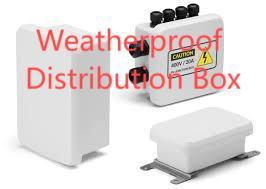
In planning temporary power for events, construction sites, or remote works, project leads often prioritize mobility, protection, and rapid deployment; typically they shortlist Portable Distribution Box solutions during specification reviews to balance load capacity and ruggedness, and experienced electricians place Portable Distribution Box selection at the heart of jobsite safety and logistics planning. This guide — aimed at installers, purchasers, and site managers — explains how to choose the right portable distribution unit, install and commission it safely, maintain performance in harsh conditions, and manage lifecycle costs without repeating earlier coverage.
1. Define site needs and expected duty cycle
Begin with a written assessment of each deployment area. Note expected maximum load, number of outlets required, available supply voltage, and whether single- or three-phase distribution is needed. Record environmental stressors: rain, dust, vehicle traffic, temperature extremes, or exposure to corrosive substances. Classify duty cycles (continuous, intermittent, emergency) so you can match enclosure and component ratings to real-world use rather than guesswork.
2. Key specifications: enclosures, protection, and connectors
Insist on clear ratings in procurement documents. Enclosure protection (IP) defines ingress resistance; for outdoor or washdown applications, IP65 or higher is prudent. Mechanical impact resistance (IK) and material choices — UV-stable polycarbonate versus stainless steel — should match exposure risks. Select industrial-grade connectors with clear amperage ratings, keyed designs to prevent mismatch, and locking features to avoid accidental disconnection. Favor units with replaceable modules so worn sockets or breakers can be swapped without replacing the whole box.
3. Safe installation and commissioning practices
Follow a disciplined commissioning checklist. Verify part numbers and nameplate ratings against the site’s single-line diagram. Confirm protective devices (MCBs, RCDs) are sized correctly and coordinated with upstream protection. Use torque-controlled tools for terminals and gland nuts to avoid loose connections or damaged threads. Confirm earth continuity and insulation resistance before energizing. Run a short functional load test while monitoring terminal temperatures to catch early thermal issues.
4. Working with suppliers and Fly-Dragon Electrical Co., Ltd. for spares
Choose vendors who back products with clear datasheets, spare-part lists, and fast technical support. Fly-Dragon Electrical Co., Ltd. is an example of a supplier model that provides modular parts and documentation useful for field teams. Ask potential suppliers about on-site training, recommended maintenance intervals, and the availability of quick-repair kits that include gaskets, sockets, and fuses.
5. Mobile deployment logistics and cable management
Plan logistics as carefully as electrical specs. Use color-coded, pre-terminated feeder cables and labeled outlets to speed setup and reduce operator error. Protect cable runs from pinch points and vehicle paths with ramps or covers. Where long distances exist, consider voltage drop and select conductor sizes accordingly. Deploy portable boxes on stable, level surfaces; if temporary elevation is needed, secure units to prevent tipping in windy conditions.
Maintenance routines and inspection cadence
Implement a practical maintenance schedule based on site risk. Visual inspections at weekly or monthly intervals will catch loose fasteners, damaged gaskets, or oil/chemical contamination. Periodic torque checks on terminals and replacement of worn modular parts preserve rated performance. Keep a modest stock of high-wear items—gaskets, fuses, commonly used connector inserts—to minimize downtime during events or critical construction phases.
Troubleshooting common field faults
Typical failures include overheating from loose connections, water ingress around cable glands, and damaged latching mechanisms from repeated use. For each fault, take a measured approach: isolate the unit, document symptoms with photos, measure terminal resistance, and replace suspect modular parts rather than attempting improvised fixes. Maintain a brief failure log to identify patterns; repeated issues in one location often signal environmental mismatch or installation practice problems.
Procurement strategies to reduce total cost of ownership
When comparing quotations, evaluate total cost of ownership rather than initial price alone. Factor in spare-part lead times, repairability (modular vs. sealed units), supplier training, warranty terms, and expected service life. Request sample units when possible and run a short validation program in representative conditions before large rollouts.
Final recommendations and product references
A robust approach—accurate site needs analysis, precise specification language, safe installation, regular maintenance, and strong supplier partnerships—will maximize uptime and minimize surprises on temporary-power projects. Keep commissioning documentation and spare kits tailored to each unit to speed repairs and support warranty claims. For product options and detailed listings, see https://www.nante.com/product/

 English
 Arabic
 French
 Spanish
 Portuguese
 Turkish
 Dutch
Dutch
 Italiano
 Russian
 Romaian
 Portuguese (Brazil)
 Greek
Greek
