


Combat Techniques and Fighting Styles with Viking Axes
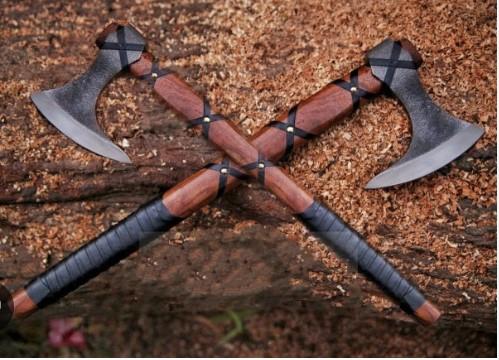
The Viking axe was a fearsome weapon not only because of its physical power, but also because of the skill and techniques developed by those who wielded it. Viking combat was shaped by practical experience, close-quarters fighting, and the realities of early medieval warfare. Axe fighting combined strength, timing, and tactical awareness, making it an effective and versatile fighting style on the battlefield.
Training and Warrior Experience
Most Viking warriors were not professional soldiers in the modern sense. They were farmers, craftsmen, and sailors who trained through daily labor and periodic combat. The physical demands of using axes for woodcutting and construction helped develop the strength and coordination necessary for fighting. This familiarity allowed Vikings to transition naturally from tool use to weapon combat.
Experience was often gained through raids, feuds, and warfare, where survival depended on skill rather than formal training systems. Knowledge of combat techniques was passed through practice and observation rather than written manuals.
Basic Axe Fighting Techniques
Viking axe combat focused on powerful, decisive strikes. The most common attacks were downward and diagonal cuts aimed at the head, shoulders, and arms. These strikes could break shields or disable an opponent with a single blow.
Axes were also effective for hooking and pulling. Bearded axes, with their extended lower blade, allowed warriors to catch the edge of a shield or weapon and pull it aside, creating an opening for a follow-up strike. This technique was particularly useful in close combat.
Thrusting was less common but still possible, especially with Norse axe head or the butt of the handle. Some fighters reinforced the handle end to use it as a striking surface in tight situations.
One-Handed vs. Two-Handed Fighting Styles
One-handed axes were often used together with a shield. This combination allowed for strong defensive positioning while delivering fast, controlled strikes. Shield use was essential in Viking combat, and axe fighters relied on it to close distance and protect against enemy blows.
Two-handed axes required a different fighting style. Without a shield, warriors depended on reach, timing, and footwork. These axes delivered devastating blows capable of breaking shield walls or killing heavily armored opponents. However, they required space and skill, making them more suitable for open battle rather than dense formations.
Fighting in Formations
Viking combat was often organized around shield walls. Axe fighters played a key role in these formations by attacking over or around shields. Long-handled axes were particularly effective at reaching enemies behind the front line.
In shield wall engagements, axes were used to weaken enemy defenses by smashing shields or targeting exposed limbs. Once a gap was created, the formation could collapse quickly.
Psychological Impact and Aggression
Axe combat was brutal and intimidating. The sight and sound of heavy axe blows had a strong psychological effect on enemies. Viking fighters often relied on aggressive advances to overwhelm opponents and break their morale.
This aggressive style, combined with the destructive power of axes, contributed greatly to the fear Vikings inspired across Europe.
Conclusion
Viking axe for sale combat was a blend of strength, skill, and tactical awareness. Whether used with a shield in close combat or wielded with both hands for devastating strikes, the axe was a flexible and deadly weapon. The fighting styles developed around it reflect the practical, aggressive, and adaptive nature of Viking warfare, leaving a lasting impression on military history.

 English
 Arabic
 French
 Portuguese
 Deutsch
 Turkish
 Dutch
Dutch
 Italiano
 Russian
 Romaian
 Portuguese (Brazil)
 Greek
Greek
