


Understanding Different Menstrual Hygiene Products
Menstrual hygiene is an important part of personal health and everyday comfort. People may have different preferences during their menstrual cycle depending on flow, activity, clothing, comfort, skin sensitivity, and lifestyle. Today, there are several menstrual hygiene products available, including reusable and disposable options. Understanding how these products work can help people make informed choices according to their individual needs.
Menstrual products are designed to absorb or collect menstrual blood. Some products are worn outside the body, while others are inserted into the vagina. Each product has different features, usage methods, and care requirements. It is important to understand these differences before choosing a product.
Period Underwear
Period underwear is reusable underwear designed to absorb menstrual flow. It generally contains multiple layers that help absorb liquid and protect clothing. Some designs are intended for light flow, while others are made for heavier flow.
One benefit of period underwear is that it can be washed and reused. This can make it different from disposable menstrual products. Proper washing and drying are important to maintain hygiene and product performance.
Period underwear can also be used alone or as additional protection alongside another menstrual product. The appropriate choice depends on individual comfort and the amount of menstrual flow.
Sanitary Pads
Sanitary pads are external menstrual products that are worn inside underwear. They usually contain absorbent layers that collect menstrual blood. Pads are available in different sizes, thicknesses, absorbency levels, and shapes.
Some pads are designed for daytime use, while longer or more absorbent versions may be intended for overnight use. Pads with wings can help hold the product in place and provide additional protection against leakage.
Sanitary pads are disposable in most cases. They should be changed regularly to maintain cleanliness and reduce discomfort. The exact changing frequency can depend on menstrual flow and the product's absorbency.
Organic Cotton Menstrual Pads
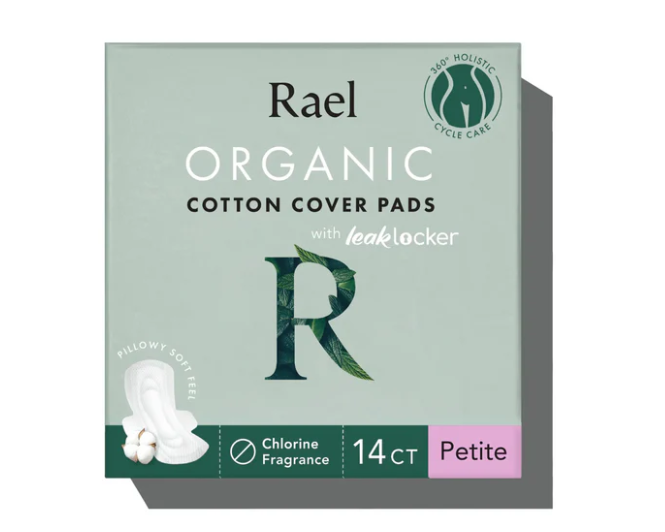
Organic cotton menstrual pads are menstrual pads made using organic cotton as part of their materials. Cotton is known for its soft texture and absorbent properties, which can make it a material of interest for people who prefer cotton-based menstrual products.
The term organic refers to how the cotton is grown and produced under particular agricultural standards. However, the overall construction of a menstrual pad can involve several different materials, so consumers should check the product label if material composition is important to them.
Like other disposable pads, organic cotton menstrual pads need to be changed regularly. People with sensitive skin may also want to check the product's ingredients and materials before use.
Tampons
Tampons are menstrual products that are inserted into the vagina to absorb menstrual blood. They are generally made from absorbent materials and are available in different absorbency levels.
Tampons need to be used according to the manufacturer's instructions. Choosing the lowest absorbency that is suitable for menstrual flow and changing the tampon at recommended intervals are important safety practices.
People searching for tampons Singapore may find different types and absorbency levels available through pharmacies, supermarkets, personal care stores, and online retailers. Product instructions should always be checked before use.
Tampons can be convenient for physical activities and situations where an internal menstrual product is preferred. However, they may not be suitable or comfortable for everyone.
Panty Liners
Panty liners are thinner absorbent products designed for light moisture or discharge. They are generally smaller and less absorbent than regular menstrual pads.
Some people use panty liners at the beginning or end of a menstrual period when the flow is light. They may also be used for everyday discharge or as additional protection with another menstrual product.
Because panty liners are designed for lighter use, they may not provide enough absorbency for moderate or heavy menstrual flow.
Choosing a Suitable Menstrual Product
There is no single menstrual product that works equally well for everyone. Personal preference can depend on several factors.
Flow level is one important consideration. People with heavier flow may prefer products with higher absorbency, while those with lighter flow may choose thinner options.
Lifestyle is another factor. Someone who exercises regularly may prefer a product that feels secure during movement. Someone who travels may consider convenience, availability, and ease of changing the product.
Comfort and skin sensitivity can also affect product selection. Checking the materials used in a product can be helpful for people who experience irritation or discomfort.
Hygiene and Proper Use
Good menstrual hygiene involves changing products regularly and keeping the genital area clean and dry. Disposable products should be wrapped and disposed of appropriately rather than flushed down the toilet.
Reusable products require proper cleaning according to the manufacturer's instructions. Period underwear, for example, needs to be washed and dried correctly before its next use.
Hands should also be washed before and after changing menstrual products. If someone experiences unusual pain, persistent irritation, unusual odor, or other concerning symptoms, speaking with a qualified healthcare professional can be appropriate.
Reusable and Disposable Options
Menstrual products can generally be divided into reusable and disposable categories. Period underwear is reusable when properly cared for, while most traditional pads and tampons are disposable.
Disposable products can be convenient because they do not require washing. Reusable products may reduce the amount of menstrual waste generated over time but require regular cleaning and maintenance.
The choice between reusable and disposable products is personal. Factors such as comfort, access to washing facilities, cost, convenience, and personal preference can all play a role.
Understanding Product Labels
Reading product labels can help consumers understand absorbency, materials, size, and usage instructions. Some products may include information about fragrances, materials, or specific features.
People with allergies or sensitive skin may want to review the ingredient or material information carefully. It is also useful to follow the manufacturer's instructions regarding changing, washing, storage, and disposal.
Conclusion
Menstrual hygiene products serve different purposes, and choosing between them depends on personal needs, menstrual flow, comfort, lifestyle, and product preferences. period underwear offers a reusable option, while sanitary pads provide a widely used external method of menstrual protection. People interested in cotton-based products may consider organic cotton menstrual pads, while those looking for internal protection may explore tampons Singapore. For light flow or everyday moisture, panty liners may be suitable. Understanding the differences between these products can help people make informed and comfortable menstrual hygiene choices.

 English
 Arabic
 French
 Spanish
 Portuguese
 Deutsch
 Turkish
 Dutch
Dutch
 Italiano
 Russian
 Portuguese (Brazil)
 Greek
Greek
