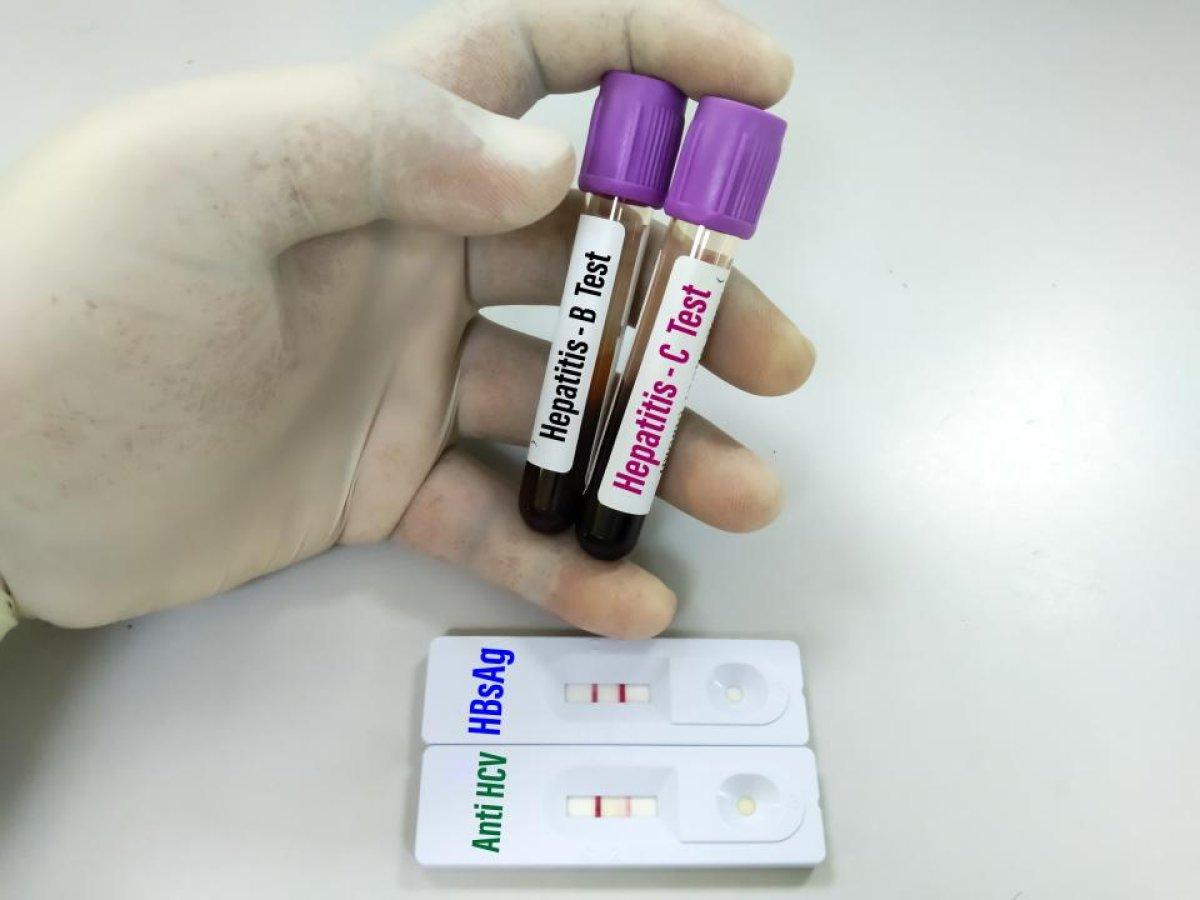
Hepatitis B testing can provide useful information about a person's infection status, previous exposure, or immunity. Because hepatitis B may develop without obvious symptoms, understanding when testing may be appropriate can support better medical awareness. A Hepatitis B Test in Dubai can help healthcare professionals evaluate specific blood markers and determine whether further assessment may be needed.
Medical awareness is not about assuming that every symptom indicates hepatitis B. Instead, it involves understanding possible risk factors, knowing the role of testing, and discussing concerns with a qualified healthcare professional. With the right information, patients can approach hepatitis B screening with greater confidence and a clearer understanding of what the process involves.
Why Medical Awareness About Hepatitis B Matters
Hepatitis B is a viral infection that primarily affects the liver. Some people develop noticeable symptoms, while others may have few or no symptoms.
Possible symptoms can include fatigue, nausea, reduced appetite, abdominal discomfort, dark urine, and yellowing of the skin or eyes. However, these symptoms can also occur with other medical conditions.
This makes laboratory testing an important tool when hepatitis B needs to be investigated. Medical awareness helps people understand that symptoms alone cannot confirm or rule out infection.
What Hepatitis B Testing Can Tell You
Hepatitis B testing can provide information about different aspects of a person's health status.
Depending on the tests performed, laboratory results may indicate current infection, previous exposure, or immunity. Healthcare professionals may use several markers to understand the overall pattern.
Common markers include hepatitis B surface antigen, hepatitis B surface antibody, and hepatitis B core antibody.
Each marker has a different purpose, which is why interpreting the complete result pattern is important.
Understanding Current Infection
One of the purposes of hepatitis B testing is to identify evidence of current infection.
Hepatitis B surface antigen is commonly used as an important marker when assessing current infection. When detected, it can indicate that hepatitis B infection is present, although the result should be interpreted with other relevant information.
Additional testing may be required depending on the person's circumstances.
A positive laboratory marker should therefore not be treated as a complete diagnosis without professional interpretation.
Understanding Immunity
Hepatitis B testing can also provide information about immunity.
Hepatitis B surface antibody may indicate that a person has immunity. This immunity can develop after vaccination or following a previous infection.
Because vaccination and previous infection can produce different laboratory patterns, healthcare professionals may consider additional markers and vaccination history when interpreting results.
This is one reason why knowing your vaccination history can be useful during hepatitis B screening.
Can Testing Identify Previous Exposure?
Some hepatitis B markers can provide evidence of previous or current exposure to the virus.
Hepatitis B core antibody is one example. Its interpretation depends on other hepatitis B markers and the person's medical history.
A person should therefore avoid assuming that a single positive antibody result means active infection. The complete laboratory pattern provides more useful information.
Who May Benefit From Discussing Testing?
The need for hepatitis B testing varies between individuals. A healthcare professional may recommend discussing screening when there has been possible exposure to infected blood or body fluids, certain sexual exposures, unexplained symptoms, or other relevant medical circumstances.
People who are uncertain about their vaccination history may also benefit from discussing hepatitis B prevention and testing with a healthcare provider.
The decision to test should be based on individual circumstances rather than general assumptions.
Why Testing Can Be Important Without Symptoms
One of the important facts about hepatitis B is that a person may not notice symptoms.
Someone can feel healthy while still having laboratory markers associated with infection. This means that feeling well does not necessarily provide complete information about hepatitis B status.
When screening is medically appropriate, testing can provide information that cannot be obtained from symptoms alone.
The Role of Testing After Possible Exposure
If someone believes they may have been exposed to hepatitis B, medical advice can help determine what should happen next.
The timing of testing is important because relevant markers may not become detectable immediately following infection.
A healthcare professional may recommend an initial test and, depending on the circumstances, follow-up testing at a later time.
People should discuss the specific exposure and its timing with a healthcare provider rather than relying on a general testing schedule.
What Happens During Hepatitis B Testing?
Hepatitis B testing usually involves collecting a blood sample. Before the sample is taken, the healthcare professional may ask questions about your medical history, vaccination, symptoms, previous tests, and possible exposure.
The sample is then analyzed by a laboratory.
Depending on the tests requested, the report may contain several hepatitis B markers. A healthcare professional can explain what each relevant marker means and whether any additional assessment is needed.
Professional Testing at Enfiled STD Clinic
People seeking confidential sexual health testing can discuss hepatitis B concerns with healthcare professionals at Enfiled STD Clinic. The consultation can include questions about possible exposure, symptoms, vaccination history, and previous laboratory results.
Providing accurate information can help the healthcare professional understand the reason for testing and select an appropriate evaluation.
After testing, professional guidance can also help patients understand whether results suggest current infection, previous exposure, or immunity.
Why Timing Can Affect Results
Medical awareness also means understanding that testing is not always equally informative at every point in time.
Following a recent exposure, there may be a period during which specific hepatitis B markers are not yet detectable. Testing during this period may require later follow-up.
A healthcare professional can advise whether the timing of an initial test is appropriate and whether another test may be necessary.
What Can Affect Result Interpretation?
Several factors can influence how hepatitis B results are interpreted. These include the type of marker tested, timing, vaccination history, previous infection, possible exposure, and other medical information.
For example, a positive surface antibody result may reflect immunity rather than active infection.
Similarly, a negative result after very recent exposure may need to be interpreted according to the timing of the test.
This is why professional interpretation is important.
Hepatitis B Testing and Liver Health
Since hepatitis B primarily affects the liver, identifying infection can be relevant to broader liver health.
However, hepatitis B is not the only condition that can affect the liver. Other infections, medications, metabolic conditions, and various medical problems can also contribute to liver-related symptoms or abnormal test findings.
If liver health is a concern, a healthcare professional can determine which evaluations are appropriate.
Making Informed Healthcare Decisions
Medical awareness gives patients an opportunity to ask informed questions. Before testing, you can ask why a particular test is being recommended, what it checks for, and whether follow-up testing could be necessary.
You can also discuss vaccination, prevention, and the meaning of previous results.
Having these conversations can make the testing process clearer and reduce confusion about laboratory reports.
When Follow-Up May Be Necessary
Follow-up may be recommended when testing occurs shortly after possible exposure, when results are unclear, or when additional markers are needed.
If a healthcare professional recommends repeat testing, following the suggested timing can help provide a more complete assessment.
Patients should also inform their healthcare provider if new symptoms develop or another possible exposure occurs.
Final Thoughts
Better medical awareness begins with understanding what hepatitis B is, how it can affect the liver, and how laboratory testing can provide useful information. A Hepatitis B Test in Dubai can help healthcare professionals evaluate specific markers related to infection, previous exposure, and immunity.
Because hepatitis B testing can involve several markers and timing can influence interpretation, professional medical guidance remains important. If you have concerns about possible exposure, symptoms, vaccination, or previous results, discussing them with a qualified healthcare professional can help determine the appropriate next step.




 English
 Arabic
 French
 Spanish
 Portuguese
 Deutsch
 Dutch
Dutch
 Italiano
 Russian
 Romaian
 Portuguese (Brazil)
 Greek
Greek
