


Laundry Equipment Manufacturers: What Should Buyers Check Before Buying?
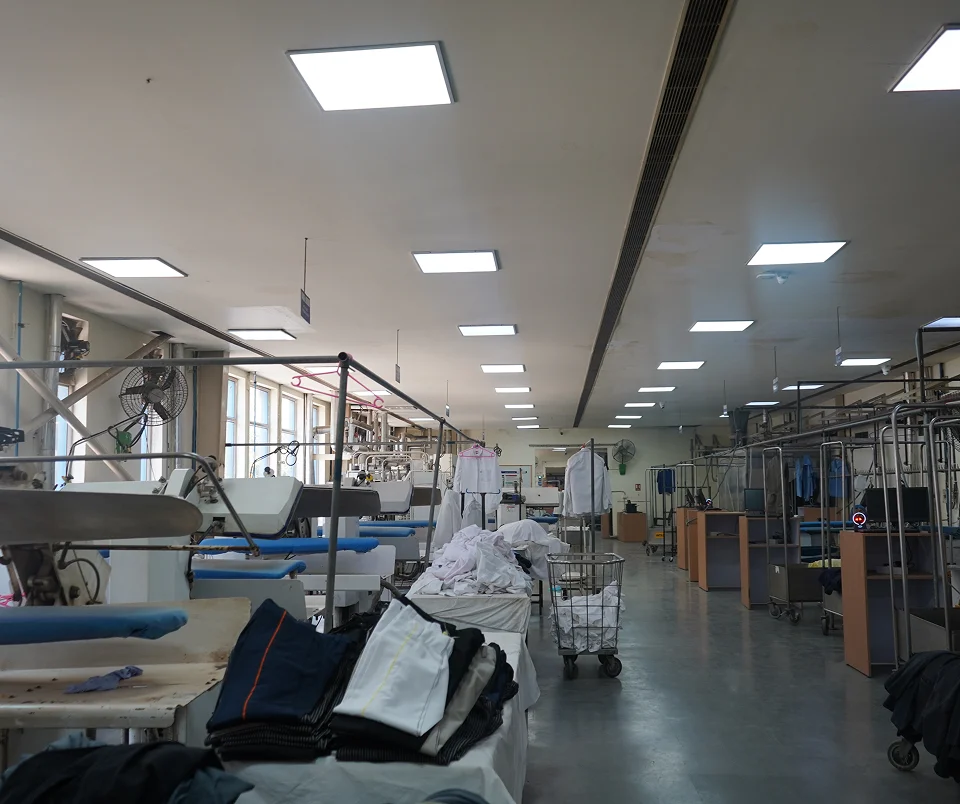
Choosing the right commercial laundry machinery is a major investment for hotels, hospitals, universities, commercial laundries, garment units and industrial facilities. Buyers comparing laundry equipment manufacturers should look beyond machine price and consider capacity, construction, utilities, controls, installation, maintenance and long-term operating requirements. For businesses planning to Buy industrial washer extractor machine 50kg capacity in India, understanding these factors is especially important because a washer extractor becomes a core part of the laundry workflow.
Reliable laundry equipment manufacturers can help buyers select equipment according to linen volume, fabric type, available space and operating schedule. Supershine Laundry serves businesses that require commercial and industrial laundry equipment with practical equipment-selection considerations in mind. Whether the requirement is for a hotel laundry, hospital laundry, institutional facility or dedicated commercial laundry, the machine should be selected as part of the complete process rather than as an isolated purchase. This approach can help purchase managers make a more informed decision and avoid choosing equipment that does not match their actual workload.
What Should Buyers Check Before Choosing Laundry Equipment?
The right equipment depends on the laundry operation. Before approaching laundry equipment manufacturers, buyers should clearly define what they need the machine to accomplish.
Start by assessing:
-
Average laundry load per day
-
Peak laundry volume
-
Type of fabrics being processed
-
Number of washing cycles expected
-
Available floor space
-
Water and drainage arrangements
-
Electrical or other utility requirements
-
Available operators and technical staff
-
Future expansion plans
-
Maintenance and service requirements
For example, a hotel may process bed linen, towels, uniforms and restaurant linen, while a hospital may have different segregation and hygiene requirements. A garment manufacturer may need equipment suited to specific textile-processing applications. These differences can affect machine selection.
Supershine Laundry can be considered by buyers looking for commercial and industrial laundry equipment where capacity, application and operational requirements need to be evaluated together.
Why Washer Extractor Capacity Matters
A washer extractor combines washing and mechanical extraction in one machine. During the washing stage, textiles are cleaned using water, detergent and controlled mechanical action. During extraction, the machine removes a significant portion of water from the load through high-speed spinning.
A 50 kg machine refers to its rated dry-load capacity. This does not mean every type of textile should automatically be loaded to exactly 50 kg. The appropriate load can depend on textile characteristics, wash programme and manufacturer guidance.
For buyers planning to Buy industrial washer extractor machine 50kg capacity in India, the first question should therefore be whether 50 kg matches the facility's actual laundry requirement.
A machine that is too small may require excessive cycles, while a machine that is unnecessarily large may not be efficiently utilised. Capacity should be evaluated alongside daily volume, peak demand and the type of laundry being processed.
Key Technical Factors to Compare
When evaluating laundry equipment manufacturers, technical specifications should be compared on an application-to-application basis rather than by looking at one specification alone.
1. Rated Capacity
Check the stated dry textile capacity and understand how it relates to your normal operating load. Also consider whether the machine is intended for general linen, workwear, towels or other textile categories.
2. Extraction Performance
Extraction speed and the machine's extraction characteristics influence how much residual moisture remains in the textiles after washing. Lower residual moisture can affect subsequent drying requirements, although the appropriate extraction setting depends on the textile and wash process.
3. Wash Programmes and Controls
Modern industrial machines may offer programmable controls for different washing requirements. Buyers should check whether programmes can be adjusted for different textile types, chemicals, temperatures and operating conditions.
Simple, clear controls are particularly useful where multiple operators will use the equipment.
4. Construction and Drum Design
The construction of the washer extractor matters because industrial laundry machines are expected to operate regularly. Buyers should review the materials used for major components, drum construction, access arrangements and the manufacturer's stated operating specifications.
Do not rely only on claims such as "heavy duty." Ask for technical documentation and understand what the description means for the actual machine.
5. Utility Requirements
Water, electricity, drainage and other utility requirements should be assessed before installation. A machine may have suitable capacity but still be impractical if the facility cannot support its required utilities.
Ask the supplier for the relevant installation requirements before finalising the equipment.
Compare Total Ownership, Not Just Purchase Price
One of the most common purchasing mistakes is comparing machines only on their initial price. Industrial laundry equipment is a long-term operational asset, so the total ownership picture is more useful.
Buyers should consider:
-
Purchase and installation requirements
-
Water consumption
-
Electricity or heating requirements
-
Detergent and chemical usage
-
Labour requirements
-
Preventive maintenance
-
Availability of replacement components
-
Expected operating frequency
-
Downtime implications
-
Technical support
This is where comparing laundry equipment manufacturers on service capability can be as important as comparing machine specifications.
A slightly different machine configuration may be more appropriate for one facility than another. The right choice should therefore be based on the operating model rather than on a single headline specification.
Service and After-Sales Support
Industrial laundry equipment is part of a working production environment. If a machine becomes unavailable, it can affect the wider laundry process and create delays.
Before purchasing, ask the supplier:
-
Is installation support available?
-
What type of operator guidance is provided?
-
How is preventive maintenance handled?
-
Are commonly required replacement components available?
-
Who should the facility contact for technical assistance?
-
What information is provided for troubleshooting?
Supershine Laundry understands that equipment selection is only one part of setting up an effective commercial laundry operation. Buyers should consider the supplier's technical communication, installation requirements and ongoing support when evaluating equipment.
Choosing a 50 kg Washer Extractor for Different Applications
A 50 kg washer extractor may be relevant to operations with substantial textile-processing requirements, but suitability depends on the facility's workload.
Hotels
Hotels may process towels, bedsheets, pillow covers, bath linen, uniforms and other hospitality textiles. Buyers should consider peak occupancy periods and the relationship between washing, extraction and drying capacity.
Hospitals
Hospital laundry operations can involve different textile categories and controlled handling procedures. Equipment should be selected according to the facility's established laundry process and textile-handling requirements.
Colleges and Universities
Large educational institutions may process bedding, uniforms, housekeeping textiles and other laundry. A capacity assessment based on daily and peak volumes can help determine whether a 50 kg machine fits the operation.
Commercial Laundries
Commercial laundries often process textiles from multiple customers. Flexibility in programmes, appropriate capacity and dependable workflow integration can become important selection factors.
Industrial and Garment Facilities
Industrial facilities and garment manufacturers may have specialised textile-processing requirements. The equipment should be selected according to the fabric, process and intended end use rather than capacity alone.
Questions to Ask Before Placing an Order
A structured discussion with laundry equipment manufacturers can prevent misunderstandings later. Purchase teams should request technical information in writing and compare suppliers using the same criteria.
Useful questions include:
-
What is the rated dry-load capacity?
-
What are the machine dimensions?
-
What utility connections are required?
-
What extraction specifications apply?
-
Which wash programmes are available?
-
What installation conditions are required?
-
What maintenance procedures are recommended?
-
What operator training or documentation is provided?
-
What technical support is available?
-
Which components are considered routine replacement items?
These questions make it easier to compare equipment based on practical business requirements rather than marketing descriptions.
Why Supplier Selection Matters in India
For businesses operating in India, equipment selection should reflect the realities of the individual facility. Building layout, utility availability, laundry volume, staffing and maintenance arrangements can vary considerably between sites.
This makes local application knowledge and clear technical communication valuable during procurement. Supershine Laundry provides commercial and industrial laundry equipment for businesses and institutions that need to evaluate machinery according to their operational requirements.
When comparing laundry equipment manufacturers, buyers should also check whether the supplier clearly communicates specifications, installation requirements and support arrangements instead of making broad performance claims.
A Practical Buying Checklist
Before finalising a washer extractor, use this checklist:
-
Define the average and peak daily laundry volume.
-
Confirm the required dry-load capacity.
-
Identify the textile types being processed.
-
Review extraction requirements.
-
Check available water, power and drainage facilities.
-
Confirm machine dimensions and installation space.
-
Compare available wash programmes and controls.
-
Review maintenance requirements.
-
Discuss technical support and service arrangements.
-
Consider the complete laundry workflow, including drying and finishing.
-
Request clear technical specifications before placing an order.
For a business specifically looking to Buy industrial washer extractor machine 50kg capacity in India, this checklist provides a practical starting point for evaluating whether the machine's capacity and specifications fit the operation.
Frequently Asked Questions
1. What is a 50 kg washer extractor?
A 50 kg washer extractor is an industrial laundry machine designed to wash and mechanically extract water from a rated dry textile load of up to 50 kg, subject to the manufacturer's operating instructions and the type of textiles being processed.
2. Is a 50 kg washer extractor suitable for hotels and hospitals?
It can be suitable for facilities with sufficiently high laundry volumes, but suitability depends on daily workload, peak demand, textile types, available utilities, space and the facility's laundry process. Capacity should be determined from actual operating requirements rather than the machine size alone.
3. What should I compare when evaluating laundry equipment manufacturers?
Compare rated capacity, extraction specifications, controls, construction, utility requirements, installation conditions, maintenance needs, technical documentation and after-sales support. Purchase price should be considered alongside expected operating and maintenance requirements.
4. Why is extraction important in an industrial washer?
Extraction removes water from textiles after washing. Effective extraction can reduce the amount of moisture that must subsequently be removed during drying, although extraction settings should be appropriate for the textile and washing process.
5. What should I ask before buying an industrial washer extractor in India?
Ask about capacity, dimensions, utility requirements, wash programmes, extraction specifications, installation conditions, maintenance procedures, technical support and available documentation. It is also useful to explain your daily laundry volume and textile types so the supplier can assess the application appropriately.
Conclusion
Selecting industrial laundry equipment is a business decision that should be based on capacity, application, utilities, workflow, maintenance and long-term operational needs. For hotels, hospitals, universities, commercial laundries, garment manufacturers and industrial facilities, the right machine should fit the actual laundry process rather than simply offer the largest stated capacity.
Supershine Laundry can be part of that evaluation process for organisations assessing commercial and industrial laundry equipment. By comparing technical specifications carefully and asking practical questions before purchase, buyers can make a more informed equipment decision and select machinery that aligns with their facility's requirements.

 English
 Arabic
 French
 Spanish
 Portuguese
 Deutsch
 Turkish
 Dutch
Dutch
 Italiano
 Russian
 Portuguese (Brazil)
 Greek
Greek
