


Enterprise AI Chatbot for Ecommerce: Helping Stores That Sell Across Time Zones
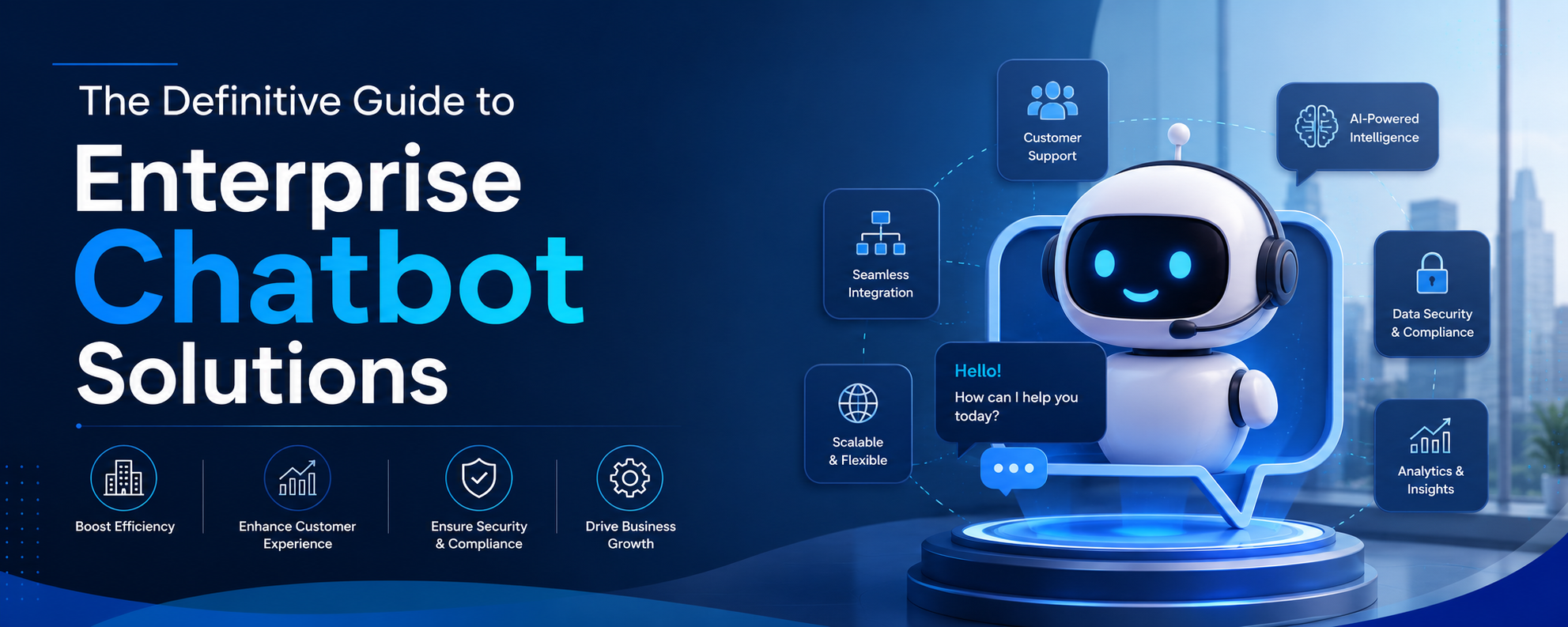
Selling online means your customers could genuinely be anywhere. Someone in a different country, in a different time zone, maybe speaking a different language than your support team does. That's exciting for growth, but it also creates a real problem most stores don't think about until they're already dealing with it. This is where a properly built enterprise ai chatbot for ecommerce quietly becomes one of the most useful things a global-facing store can have.
The Problem With Selling Around the Clock
A small support team usually works normal business hours. That's fine if all your customers are in the same time zone. But once you're selling internationally, "normal business hours" for you might be the middle of the night for a customer halfway across the world. They've got a quick question, and they're stuck waiting eight, ten, sometimes twelve hours for a reply.
During that wait, plenty of customers just give up. They close the tab, buy from somewhere else, or simply lose interest. That's a real, quiet cost that doesn't show up clearly anywhere except in your sales numbers slowly not matching your traffic numbers.
Why a Chatbot Fixes This So Directly
An AI chatbot doesn't care what time zone anyone's in. It answers a question at 3am just as fast as it answers one at 3pm. For a store with customers scattered across the globe, this alone solves one of the biggest, most avoidable sources of lost sales.
This matters especially for the simple, common questions — shipping estimates, sizing, stock availability — the kind of thing that really doesn't need a human, but absolutely needs an answer right away, whenever the customer happens to be asking.
The Language Piece Nobody Talks About Enough
Time zones are only half the story. If you're selling to customers who don't speak the same language as your support team, that's a whole separate barrier. A customer who can't get a clear answer in their own language is a customer who's a lot less likely to actually complete a purchase, no matter how good your product is.
A properly built chatbot can be set up to understand and respond in multiple languages, which removes a barrier a lot of stores don't even realize is costing them sales, simply because those customers never bothered messaging in the first place, assuming they wouldn't get a useful answer anyway.
Real Situations Where This Actually Helps
A customer shopping late at night in a different time zone. They get a real, instant answer about shipping or sizing instead of waiting until your team wakes up, by which point they may have already lost interest or bought elsewhere.
A customer more comfortable in a different language. Instead of struggling through a support conversation in a language they're not fully confident in, they get a clear answer in their own language, which makes the whole experience feel a lot less intimidating.
A shopper during a flash sale with a short deadline. Time-sensitive questions, like whether a discount code is still valid, need an instant answer no matter when they come in. A chatbot doesn't need to "wake up" to help with this.
Why This Directly Affects Growth, Not Just Convenience
It's tempting to think of this as just a nice bonus feature, but for a store actually trying to grow into new markets, it's closer to a requirement. Expanding into a new country or region while still only offering support during your local business hours, in only one language, puts a real ceiling on how much that expansion can actually succeed.
A enterprise ai chatbot development built with this in mind removes that ceiling, letting the store actually support the global reach it's trying to build, instead of quietly limiting it without realizing why growth in certain regions feels slower than expected.
Making Sure It Actually Fits Your Website
For any of this to work well, the chatbot needs to be built properly into the actual shopping experience on your site, not feel like a separate, awkward add-on. This is exactly why a solid enterprise ai chatbot development service for websites matters, since it needs to blend naturally into your checkout flow and product pages, right where global customers are actually browsing and asking questions.
What to Check Before Going Global With This
A few honest questions matter here. Does the chatbot actually support the languages your growing customer base speaks, or just the one your team happens to use? Is it available truly around the clock, or does it quietly slow down during off-hours? And does it hand off cleanly to a human for anything more complex, regardless of what time it is wherever that human happens to be?
The Bottom Line
Selling across time zones and languages is a genuine opportunity, but only if customers can actually get help when they need it, in a way that makes sense to them. A properly built chatbot removes both the time zone problem and the language barrier at once, letting a growing store actually support the global customers it's trying to reach, instead of quietly losing them to a slow reply or a confusing conversation.

 English
 Arabic
 French
 Spanish
 Portuguese
 Deutsch
 Turkish
 Dutch
Dutch
 Italiano
 Russian
 Romaian
 Portuguese (Brazil)
