


How Hepatitis C Tests Identify Possible Infection
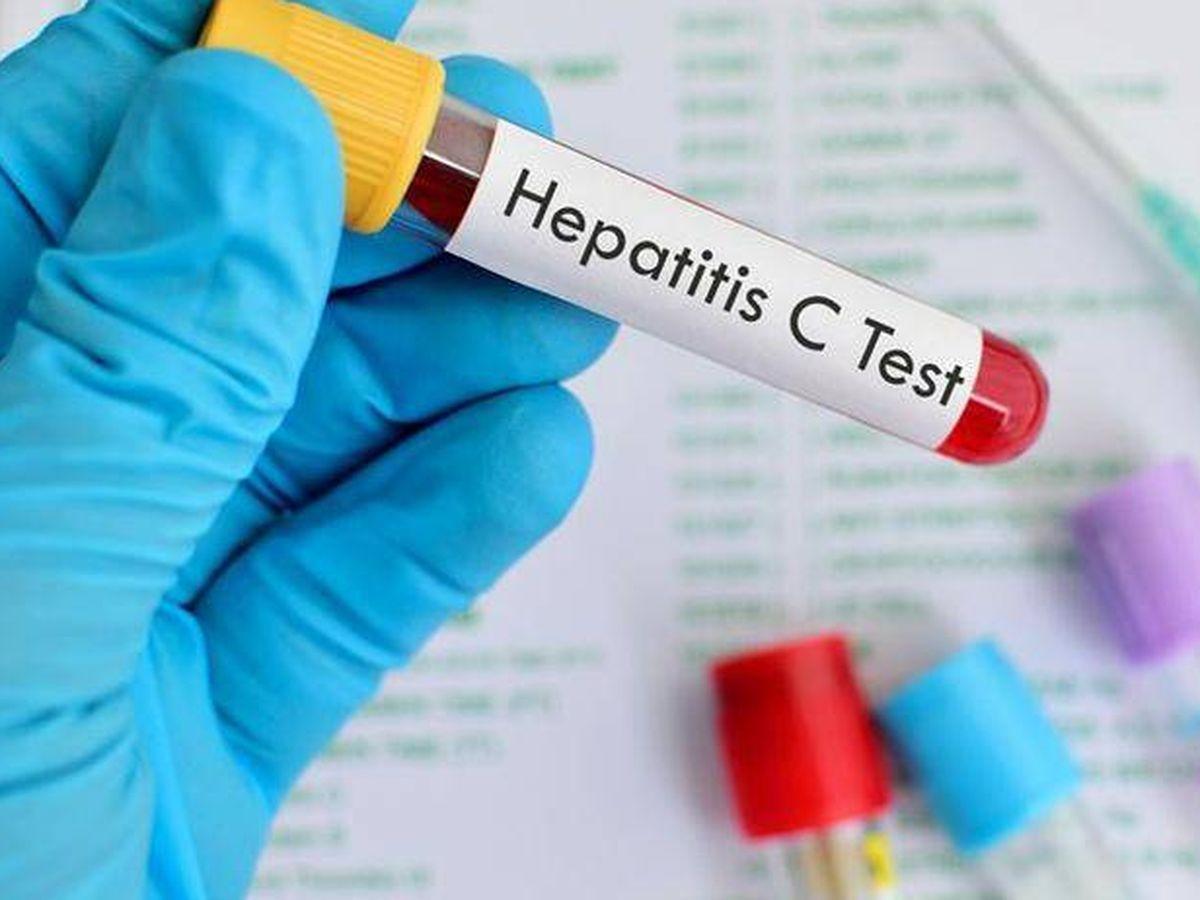
Hepatitis C is a viral infection that can affect the liver and may remain unnoticed for a long time. Many people do not experience clear symptoms during the early stages, which makes laboratory testing an important part of identifying possible infection. A Hepatitis C Test in Dubai can help healthcare professionals determine whether someone has been exposed to the hepatitis C virus and whether additional testing may be appropriate.
Hepatitis C testing generally involves blood tests, but different tests provide different types of information. Understanding what each test can detect can make the testing process easier to understand and can help patients discuss their results with a healthcare professional.
Why Blood Testing Is Used for Hepatitis C
Blood testing is commonly used because it allows laboratories to look for biological markers associated with hepatitis C. The first test may look for antibodies produced by the immune system after exposure to the virus.
If antibodies are detected, this does not necessarily mean that the person currently has an active hepatitis C infection. Antibodies can remain in the body after a previous infection, even if the virus is no longer present.
For this reason, healthcare professionals may recommend an additional test when an antibody result is positive or otherwise requires clarification.
What Is a Hepatitis C Antibody Test?
A hepatitis C antibody test checks whether the immune system has produced antibodies against the hepatitis C virus. A reactive or positive result generally means that the person has been exposed to the virus at some point.
However, the antibody test alone cannot always determine whether the infection is currently active. Some people naturally clear the virus without treatment, while others may continue to have an active infection.
This is why a positive antibody result may be followed by another laboratory test.
The Role of HCV RNA Testing
An HCV RNA test looks for the genetic material of the hepatitis C virus in the blood. This type of testing can help determine whether the virus is currently present.
If HCV RNA is detected, it can provide evidence of an active hepatitis C infection. If the antibody test is positive but HCV RNA is not detected, the result may indicate previous exposure without current detectable infection, depending on the clinical situation.
Healthcare professionals interpret these results alongside medical history and other relevant information.
Testing at Enfiled STD Clinic
People who are concerned about possible hepatitis C exposure can discuss their situation with a healthcare professional at Enfiled STD Clinic. Testing may be considered based on possible exposure, previous medical history, symptoms, or other relevant circumstances.
A healthcare professional can explain which tests may be appropriate and whether additional testing could be required after the initial result. Patients should provide accurate information about possible exposure and previous testing because this information can help with appropriate medical evaluation.
Professional testing can also help reduce confusion when laboratory results involve multiple types of hepatitis C tests.
When Hepatitis C Testing May Be Considered
Hepatitis C testing may be recommended for people with certain exposure risks or medical circumstances. Possible exposure to infected blood is an important consideration.
Some people may also require testing because of previous healthcare procedures, past exposure risks, or other factors identified by a healthcare professional. Current screening recommendations can vary depending on a person's circumstances and healthcare guidance.
Testing should not be based solely on whether someone feels healthy because hepatitis C can sometimes cause few or no noticeable symptoms.
Can Hepatitis C Be Detected Without Symptoms?
Yes. A person can have hepatitis C without experiencing obvious symptoms. When symptoms do occur, they may include fatigue, nausea, abdominal discomfort, dark urine, or yellowing of the skin and eyes.
However, these symptoms are not specific to hepatitis C and may have many other causes. Laboratory testing is therefore more reliable than symptoms alone for determining whether exposure or infection has occurred.
People who have concerns about hepatitis C should discuss their circumstances with a qualified healthcare professional rather than attempting to diagnose themselves based on symptoms.
How Timing Can Affect Test Results
The timing of a hepatitis C test can be important, particularly after a recent possible exposure. Different tests become detectable at different points after infection.
For example, antibodies may take time to develop after exposure. An HCV RNA test may detect the virus earlier than an antibody test in certain circumstances.
Because of these differences, a healthcare professional may recommend testing at a particular time or suggest repeat testing when an exposure was recent.
What a Positive Antibody Result Means
A positive or reactive hepatitis C antibody result generally indicates that the immune system has encountered the virus at some point.
It does not automatically confirm that the virus is currently present. Additional testing may therefore be needed to determine whether there is an active infection.
Patients should avoid assuming that an antibody result alone means they currently have hepatitis C. The complete testing process and clinical context are important when interpreting the result.
What a Negative Antibody Result Means
A negative antibody result generally means that antibodies against hepatitis C were not detected. However, the timing of the test remains important.
If testing occurs soon after possible exposure, the immune system may not yet have produced enough antibodies for the test to detect. In such situations, a healthcare professional may recommend another test or a different testing approach.
This is why people with a recent possible exposure should discuss timing with a healthcare provider.
Why Follow-Up Testing Can Be Important
Follow-up testing can help clarify an initial result. It may be recommended after a reactive antibody test, recent possible exposure, or an uncertain laboratory finding.
The purpose of follow-up testing is not simply to repeat the same test without reason. Different tests may answer different questions about previous exposure and current infection.
A healthcare professional can explain which test is appropriate and when it should be performed.
Hepatitis C Testing and Liver Health
The hepatitis C virus primarily affects the liver. If an active infection continues for a long period, it may contribute to liver inflammation and other complications.
Identifying infection can allow healthcare professionals to evaluate the person's health and discuss appropriate management. Depending on the situation, additional laboratory tests or liver assessments may be recommended.
Early medical evaluation can be useful because people with hepatitis C may benefit from appropriate treatment and monitoring.
Why Professional Interpretation Matters
Online information can help people understand basic testing concepts, but individual laboratory results require proper interpretation. Factors such as previous infection, recent exposure, testing timing, and other health conditions can affect how results are understood.
A healthcare professional can review the complete situation rather than focusing on one number or one laboratory result.
If you receive a hepatitis C test result that you do not understand, ask the healthcare provider who ordered or performed the test to explain what it means and whether additional testing is needed.
Final Thoughts
Hepatitis C tests can provide important information about possible exposure and current infection. A Hepatitis C Test in Dubai may begin with an antibody test and, when appropriate, be followed by testing that looks for HCV RNA.
Understanding the purpose of each test can make the process less confusing. If you have a possible exposure, unexplained symptoms, or concerns about an earlier result, professional medical advice can help determine whether testing or follow-up evaluation is appropriate.

 English
 Arabic
 French
 Spanish
 Portuguese
 Turkish
 Dutch
Dutch
 Italiano
 Russian
 Romaian
 Portuguese (Brazil)
 Greek
Greek
