


Remediating Garden Soil After Volcanic Ash and Vog Exposure
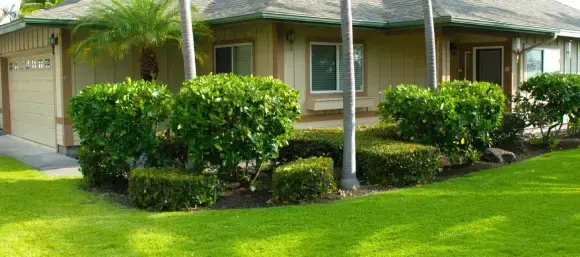
Living in the shadow of active shield volcanoes provides a deeply humbling connection to the raw geological power of the earth. However, this proximity also exposes residential properties to highly unique environmental stresses that most mainland gardeners will never encounter. During periods of elevated volcanic activity, the trade winds frequently push massive plumes of volcanic smog, locally known as vog, across the western coast. This thick haze carries fine particles of ash and a heavy concentration of sulfur dioxide gas. As this particulate matter slowly settles over the neighborhoods, it does not merely leave a dusty film on cars and windows; it fundamentally alters the chemical composition of the ground itself, creating a highly toxic environment for most domesticated plants.
The chemical reaction that occurs when sulfur dioxide interacts with the local environment is highly destructive. When the morning dew settles or a light tropical rain falls through the vog, the water mixes directly with the sulfur gas to create a mild form of sulfuric acid. This acidic moisture constantly drips down from the leaves of the trees directly into the dirt below. Over a period of several months, this continuous acid rain drastically lowers the pH level of the ground, turning it highly acidic. Most tropical fruit trees, ornamental palms, and lawn grasses require a strictly neutral pH to survive. When the ground becomes too acidic, the biological mechanism that allows roots to absorb necessary nutrients completely shuts down.
The physical symptoms of this severe chemical lockout are highly visible and deeply frustrating for property owners. Despite receiving adequate water and generous applications of fertilizer, the plants will suddenly begin to starve. The leaves will turn a pale, sickly yellow while the veins remain starkly green, a classic indicator of iron chlorosis caused by acidic ground. Growth will halt entirely, and the edges of the leaves will become brittle and brown as the plant pulls moisture from its extremities to survive. If the chemical composition of the earth is not immediately corrected, the stressed root systems will eventually collapse, leading to the rapid death of the entire garden.
Attempting to treat this severe acidification with surface-level amendments is almost always a waste of time and money. While applying agricultural lime to the surface can slightly raise the pH in the top inch of dirt, it does not penetrate deeply enough to reach the primary feeding roots of mature trees. Furthermore, the volcanic ash that has settled and compacted on the surface creates a dense, cement-like crust that repels water and prevents oxygen from reaching the biological life below. To truly save a garden suffering from heavy vog exposure, a homeowner must take aggressive mechanical action to entirely remove the poisoned, crusted material from the property.
The only scientifically sound method for resolving this geological contamination is to physically excavate the damaged earth and replace topsoil kona with a fresh, highly engineered mixture. Professional remediation teams carefully scrape away the acidic crust, removing the trapped sulfur compounds entirely from the root zones. They then import a custom dirt mixture specifically designed to possess a massive buffering capacity. This means the new earth is heavily loaded with rich organic compost and specific alkaline minerals that naturally resist rapid changes in pH. This buffering capacity ensures that when the vog inevitably returns, the new ground can safely absorb the acidic rain without immediately plummeting into a toxic state.
Restoring the microbiological life of the ground is the final step in this geological remediation. The acidic conditions created by the vog entirely decimate the beneficial bacteria and fungi that plants rely upon for nutrient absorption. The newly imported earth must be heavily inoculated with fresh microbial life to restart this biological engine. By completely replacing the chemically damaged dirt with a fresh, highly buffered, and biologically active foundation, the garden is given an immediate reset. The roots can finally breathe, the chemical lockout is broken, and the plants quickly return to their vibrant, healthy state, heavily protected against future volcanic weather events.
Conclusion
Continuous exposure to volcanic vog and sulfur dioxide creates highly acidic ground conditions that starve plant roots and cause rapid decay. By mechanically excavating the chemically poisoned dirt and importing a highly buffered, fresh organic foundation, homeowners can successfully rescue their gardens from geological contamination.
Call to Action
If your plants are yellowing and starving due to heavy vog exposure, contact our remediation experts to discuss a complete ground replacement strategy.
Visit: https://aina-landscaping.com/services/topsoil-aggregate/

 English
 Arabic
 French
 Spanish
 Portuguese
 Deutsch
 Turkish
 Dutch
Dutch
 Russian
 Romaian
 Portuguese (Brazil)
 Greek
Greek
