


What Should Installers Know About Modern Manual Tile Cutters?
Ceramic and porcelain tile designs have changed significantly in recent years. Interior projects now include larger formats, thinner surfaces, textured finishes, and customized layouts that require more precise cutting solutions. While electric cutting equipment is widely used for demanding applications, traditional cutting technology continues to play an important role on many job sites.
The question many installers ask is whether a manual tile cutting machine can still meet the requirements of modern tile projects. The answer depends on the tile material, thickness, size, and the quality of the cutting system. With improved rail structures, stronger cutting wheels, and better positioning designs, modern manual cutters have developed beyond basic hand tools. Professional models are now capable of handling many ceramic and porcelain applications while offering portability and simple operation. Many current designs include tungsten carbide wheels, reinforced rails, and guide systems for cleaner scoring results.
Modern Tile Designs Bring New Cutting Requirements
Today’s ceramic market includes more than standard wall tiles. Large porcelain panels, polished tiles, stone-look surfaces, and decorative ceramic materials have created new challenges for installers.
- Large dimensions: Oversized tiles require longer cutting tracks and stable support structures.
- Dense materials: Porcelain tiles have lower water absorption and higher hardness compared with common ceramic tiles.
- Premium surfaces: Decorative finishes require cleaner cuts with reduced edge damage.
These changes have encouraged manufacturers to improve manual cutting equipment with stronger frames, smoother movement systems, and more accurate adjustment mechanisms.
Advanced Rail Systems Improve Cutting Stability
The rail structure is one of the key components that affects manual tile cutter performance. During operation, the scoring wheel must travel along a straight path while maintaining consistent contact pressure with the tile surface.
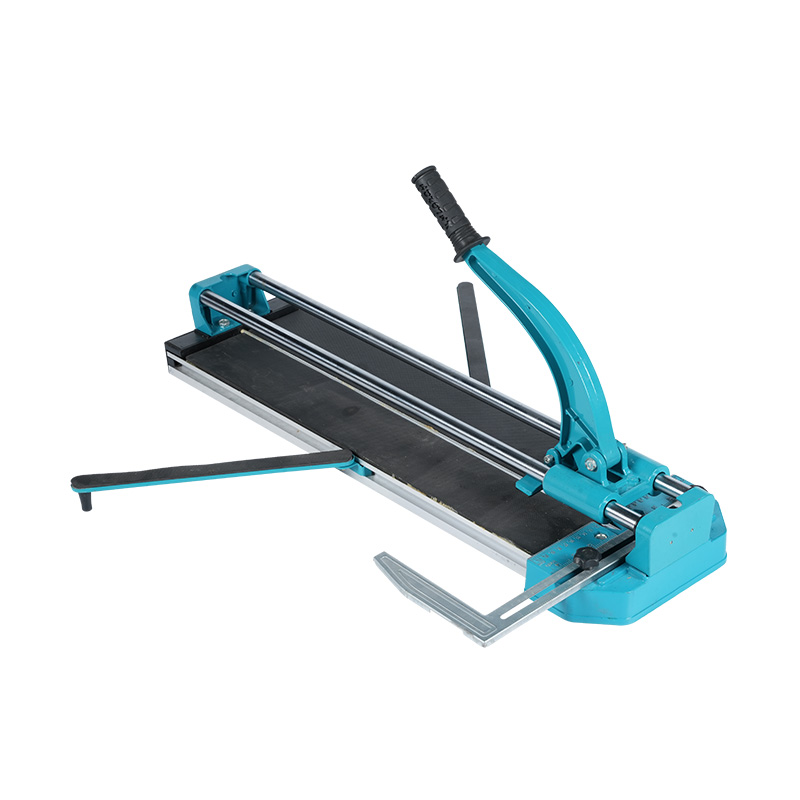
Modern Manual Tile Cutting Machine designs often use single or double guide rails combined with bearing sliding systems. Double rail structures can provide additional stability during longer cuts, especially for larger porcelain tiles. Some commercial models support cutting lengths around 1200 mm and tile thickness ranges of approximately 4-15 mm, depending on the machine configuration.
- Double guide rails: Help reduce movement during scoring.
- Ball bearing slides: Provide smoother carriage movement.
- Reinforced aluminum bases: Improve overall support during cutting.
A stable cutting structure allows installers to create consistent scoring lines without excessive adjustment.
Cutting Wheels Determine Performance on Porcelain Tiles
The cutting wheel directly contacts the tile surface, making its material and design important factors. Ceramic tiles are relatively easier to score, while dense porcelain requires a stronger cutting edge and accurate pressure control.
Many professional manual cutters use tungsten carbide or alloy scoring wheels because these materials provide hardness and durability during repeated tile cutting tasks. Some models include replaceable wheels with different diameters to match different tile materials and surface conditions.
- Tungsten carbide wheels: Suitable for scoring ceramic and porcelain surfaces.
- Replaceable wheel systems: Allow users to maintain cutting performance over time.
- Precision wheel alignment: Helps create cleaner breaking lines.
Choosing the correct wheel type is important because different tiles have different hardness levels, coatings, and surface textures.
Can Manual Cutters Handle Large Format Tiles?
Large format tiles have become popular in kitchens, bathrooms, commercial spaces, and luxury residential projects. Their size creates additional requirements for cutting equipment.
A suitable manual cutter for large tiles usually includes extended support arms, a rigid base, and a long cutting track. Some professional machines are designed with cutting capacities reaching 1200 mm or more, allowing them to process large floor tiles and porcelain slabs used in modern projects.
- Long rails support wider tile surfaces.
- Side extensions provide additional balance during operation.
- Strong breaking systems help separate dense materials after scoring.
However, manual cutters are generally designed for straight cuts. Complex shapes, curves, or very thick stone materials may require alternative cutting methods.
Why Many Installers Still Use Manual Cutting Equipment
Despite the development of electric tools, manual cutting machines remain popular because they offer several practical advantages in daily installation work.
- Easy transportation: Lightweight structures allow movement between different job locations.
- Low operating noise: Manual operation creates less disturbance compared with powered equipment.
- Clean working environment: Score-and-snap cutting does not require water cooling systems.
- Quick setup: Installers can start cutting without electrical preparation.
These advantages make manual cutters practical for renovation projects, residential installation, and professional tile work where straight cuts are frequently required.
Technology Improvements Make Traditional Tools More Capable
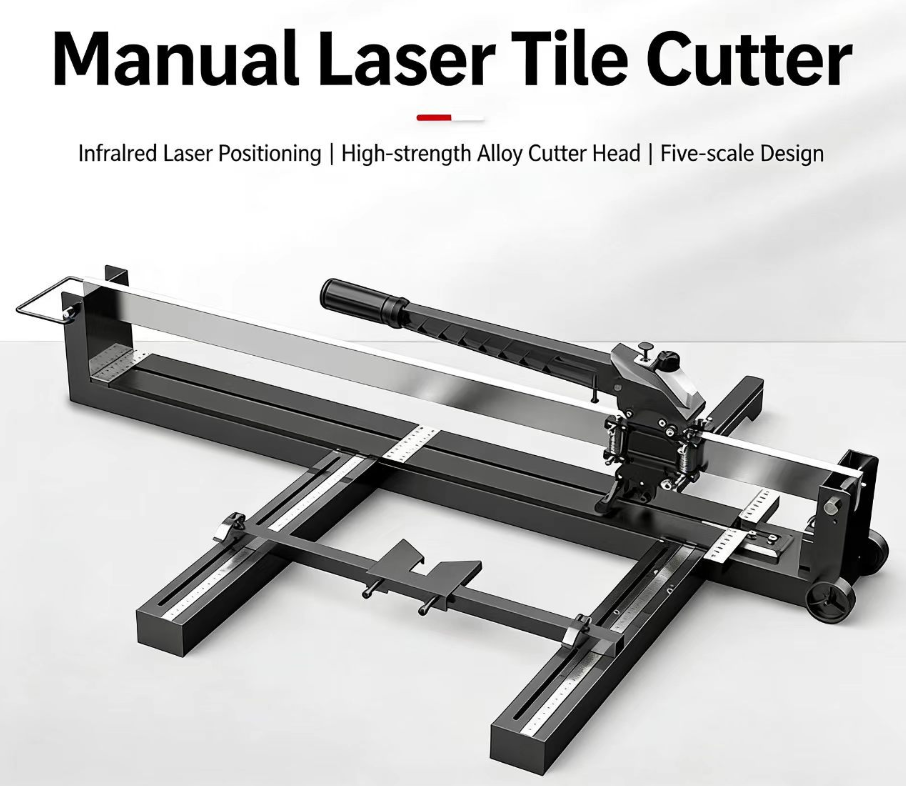
Modern manual cutters combine traditional mechanical principles with updated engineering improvements. Features such as laser positioning guides, adjustable measurement scales, anti-slip bases, and ergonomic handles improve usability during installation.
Some advanced models include infrared positioning systems that help users align cutting paths more accurately before scoring. Adjustable angle guides also support diagonal cutting requirements for decorative layouts and corner installations.
- Laser guides assist with cutting line alignment.
- Angle adjustment systems support customized layouts.
- Ergonomic handles improve operation comfort.
Choosing the Right Tool Depends on the Tile Application
A manual cutter can perform well when matched with the correct tile type and project requirements. Installers should consider several factors before starting a cutting task.
- Tile thickness and hardness.
- Required cutting length.
- Surface texture and finish.
- Frequency of professional use.
A lightweight cutter may work well for standard ceramic tiles, while heavy-duty models with stronger rails and breaking mechanisms are better suited for dense porcelain materials.
Manual Cutting Technology Continues to Evolve
The development of modern tile materials does not mean traditional cutting tools have become outdated. Instead, manual cutting equipment has adapted through improved materials, precision structures, and user-focused features.
A high-quality Manual Tile Cutting Machine can still support many modern ceramic and porcelain installation projects, especially where straight cutting, portability, and clean operation are important. As tile designs continue to expand, upgraded manual tools will remain a practical choice for installers who need reliable performance without complicated equipment.

 English
 Arabic
 French
 Portuguese
 Deutsch
 Turkish
 Dutch
Dutch
 Italiano
 Russian
 Romaian
 Portuguese (Brazil)
 Greek
Greek
