


Key Financial Checks Before Investing in New Manufacturing Machinery
Manufacturers often invest in new machinery to increase production, improve efficiency, or modernize existing facilities. However, a machinery purchase should be evaluated from more than just a technical perspective.
Financing, taxes, import requirements, working capital, and documentation can all affect the actual cost of an expansion project.
Calculate the Complete Machinery Cost
The equipment price is only one part of the total investment. Manufacturers may also need to consider:
- Transportation and freight
- Installation and commissioning
- Taxes and duties
- Financing costs
- Utility modifications
- Testing expenses
- Additional working capital
Preparing a complete budget can help management understand the actual financial commitment before placing an order.
Plan Imported Machinery Carefully
Businesses importing capital goods may need to evaluate applicable trade schemes and their associated compliance requirements.
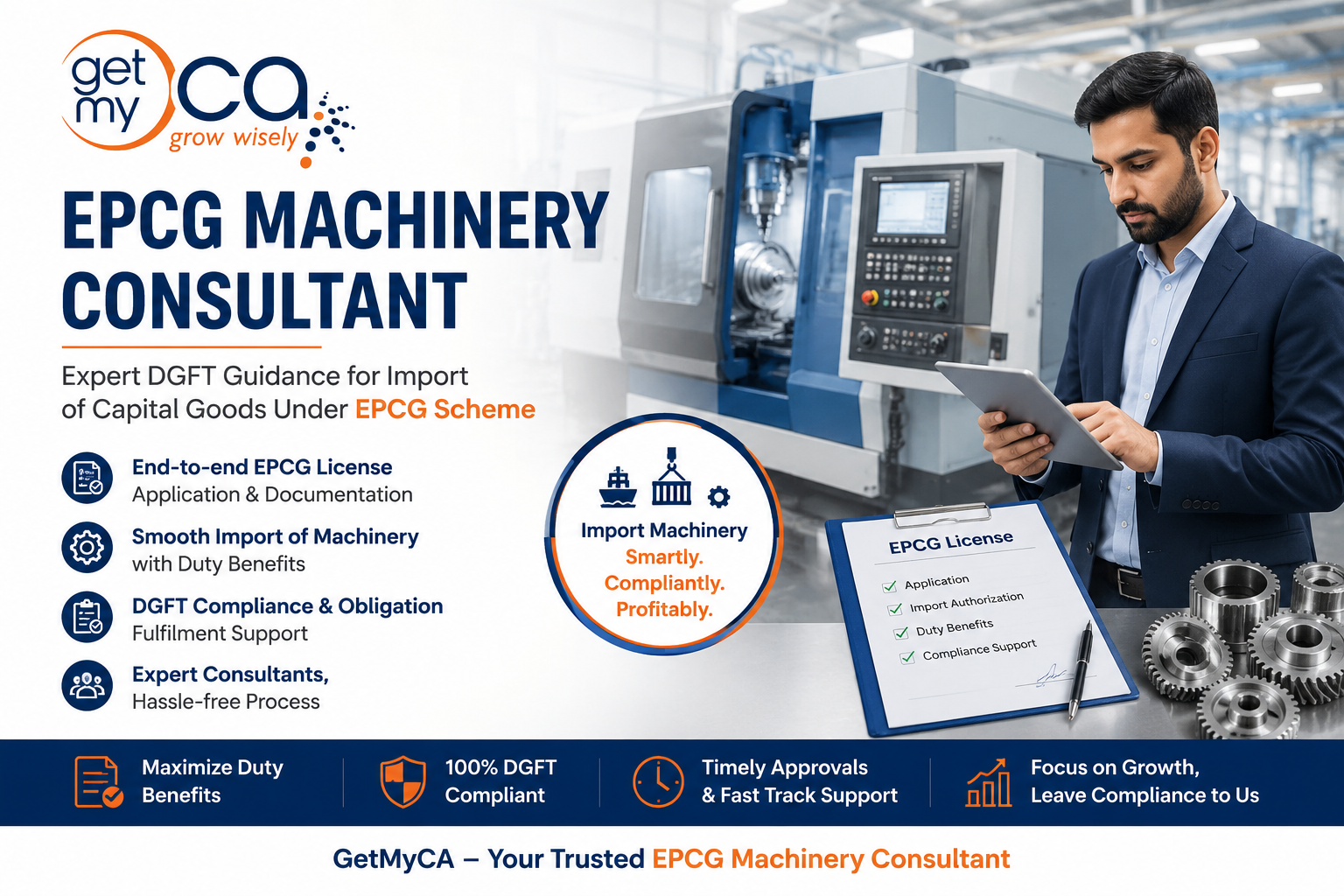
Manufacturers considering EPCG can review EPCG advisory for machinery imports to better understand authorization procedures, documentation, export obligations, and subsequent compliance requirements.
Any potential benefit should be considered together with the company's realistic export plans and long-term business requirements.
Understand GST Impact on Manufacturing
GST can also affect the working capital of manufacturing businesses, particularly where significant amounts are paid on raw materials and other inputs.
For packaging businesses, understanding GST refund considerations for corrugated box units can help management review whether relevant GST provisions may apply to their transaction structure.
Eligibility depends on the applicable provisions and circumstances of the business, so a refund should not automatically be assumed.
Keep Financial Records Organized
Businesses should maintain appropriate records throughout the investment process, including:
- Machinery quotations
- Purchase orders
- Tax invoices
- Payment records
- Import documents
- GST records
- Installation documents
- Export records, where relevant
Organized records can make accounting, reconciliation, and subsequent compliance processes easier.
Consider Working Capital
A major machinery investment can reduce the funds available for everyday operations.
Manufacturers should therefore estimate requirements for raw materials, salaries, utilities, inventory, logistics, and customer credit alongside the capital expenditure budget.
Final Thoughts
New machinery can support manufacturing growth, but the financial impact should be evaluated before committing significant capital.
Businesses should consider total project cost, financing, GST implications, import requirements, working capital, and documentation together. This can provide management with a clearer picture of the investment and its long-term requirements.

 English
 Arabic
 Spanish
 Portuguese
 Deutsch
 Turkish
 Dutch
Dutch
 Italiano
 Russian
 Romaian
 Portuguese (Brazil)
 Greek
Greek
