


Can HIV Be Detected Without Symptoms?
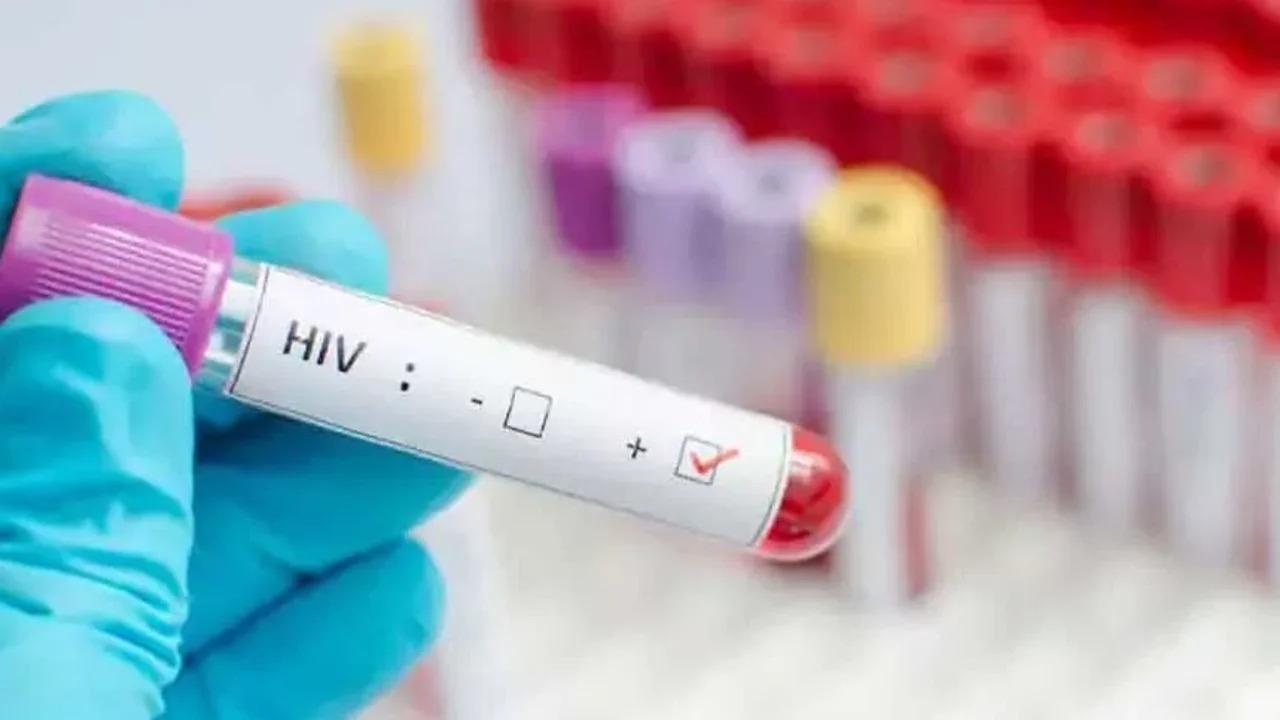
HIV can sometimes be present without causing noticeable symptoms, which is why testing remains important even when a person feels completely healthy. Many people associate HIV with visible signs of illness, but infection can go unnoticed for a considerable period. An HIV Test in Dubai can help detect evidence of infection through laboratory testing, providing information that symptoms alone cannot provide.
Understanding how HIV testing works without symptoms can help people recognize why screening may be appropriate after a possible exposure or as part of preventive sexual healthcare.
Can HIV Exist Without Noticeable Symptoms?
Yes. HIV infection does not always cause obvious symptoms. Some people may experience a short illness during the early stage, while others may notice little or nothing unusual.
After the initial stage, HIV can also remain without noticeable symptoms for a period of time. This means a person cannot reliably determine their HIV status simply by assessing how they feel.
Testing is therefore the appropriate way to find out whether evidence of HIV infection is present.
Why Symptoms Cannot Confirm HIV
Symptoms associated with early HIV infection can include fever, fatigue, sore throat, swollen lymph nodes, rash, or other flu-like symptoms. However, these symptoms are not unique to HIV.
Many common viral infections and other health conditions can cause similar symptoms. At the same time, someone with HIV may have no symptoms at all.
For these reasons, symptoms cannot be used to confirm or exclude HIV infection. Appropriate testing provides more meaningful information.
How an HIV Test Detects Infection
Different HIV tests look for different markers associated with infection. Some tests detect HIV antibodies produced by the immune system.
Other commonly used laboratory tests combine antibody and antigen detection. These tests can detect HIV antibodies and the p24 antigen, which may become detectable earlier than antibodies alone.
The choice of test can depend on how long it has been since a possible exposure and the reason for testing.
The Importance of Testing After Possible Exposure
If you have experienced a possible HIV exposure, you do not need to wait for symptoms before seeking medical advice.
A healthcare professional can review when the exposure occurred and determine what testing or preventive measures may be appropriate.
This is particularly important when the exposure was recent because some post-exposure prevention options are time-sensitive.
Understanding the HIV Window Period
A test cannot necessarily detect HIV immediately after infection. The period between infection and reliable detection by a particular test is known as the window period.
The length of this period varies depending on the test and the marker it detects.
A negative result during an early window period may therefore need to be followed by additional testing. This does not necessarily mean that the original test was inaccurate; it may simply have been performed before the relevant marker became detectable.
Can Testing Be Useful Without Symptoms?
Yes. Testing can be useful precisely because symptoms are not always present.
Someone may consider HIV screening after unprotected sexual contact, a new sexual partnership, a known partner diagnosis, or another potential exposure.
Routine screening may also be appropriate depending on an individual's circumstances and healthcare provider recommendations.
What Happens During an HIV Test?
The exact procedure depends on the testing method. Many laboratory HIV tests require a blood sample.
Before collecting the sample, a healthcare professional may ask about possible exposure, previous testing, symptoms, and other relevant information.
The sample is then processed according to the test being used. The provider can explain when the result is expected and how it will be communicated.
Understanding a Negative Result
A negative result means that the test did not detect the HIV marker it was designed to identify at the time of testing.
However, the timing of the test is important. If the test was performed very soon after a possible exposure, the result may not completely rule out a recent infection.
A healthcare professional can determine whether additional testing is appropriate based on the timing and type of test.
What Does a Reactive Result Mean?
A reactive screening result means that the initial test detected something that requires additional evaluation. It should not automatically be considered a final HIV diagnosis.
Further testing is normally required to confirm whether HIV infection is present.
If you receive a reactive result, speak with the healthcare professional and follow the recommended follow-up process.
Testing at Enfiled STD Clinic
People who want confidential HIV screening can discuss their concerns with healthcare professionals at Enfiled STD Clinic. An appointment can provide an opportunity to discuss possible exposure, previous testing, symptoms, and the timing of the event.
The healthcare provider can explain the available HIV testing options and how the window period may affect the interpretation of a result.
Patients can also ask questions about follow-up testing and result communication.
Why Routine Screening Can Matter
Routine screening can help people know their HIV status even when they have no symptoms.
The appropriate frequency of testing varies depending on individual circumstances. People with ongoing potential exposure may have different screening needs from people with no recent risk.
A healthcare professional can help determine whether routine testing is appropriate for you.
HIV Testing After a New Partner
A new sexual relationship does not mean that either partner has HIV. However, discussing testing can be part of responsible sexual healthcare.
If you and your partner do not know your current HIV status, testing may provide useful information.
Testing can also encourage conversations about safer sexual practices and other relevant sexual health screenings.
Why Early Knowledge Can Help
Knowing your HIV status can help you access appropriate medical care when necessary. If HIV is diagnosed, healthcare professionals can discuss treatment and ongoing monitoring.
Modern HIV treatment can control the virus and help protect immune health. When treatment achieves and maintains viral suppression, it also prevents sexual transmission of HIV.
Testing is therefore an important first step toward understanding one's health status.
What If You Recently Had a Possible Exposure?
If a possible exposure occurred recently, seek professional medical advice promptly. Do not wait for symptoms to appear.
Depending on the circumstances, post-exposure prophylaxis may be an option if started within the recommended time frame. A healthcare professional can assess whether it is appropriate.
Testing may also be arranged according to the timing of the exposure and the type of test available.
Can Other STIs Also Be Present Without Symptoms?
Yes. HIV is not the only sexually transmitted infection that can occur without noticeable symptoms.
Depending on the individual's circumstances, a healthcare professional may recommend testing for other infections as well.
An HIV test does not automatically test for every STI, so discuss your complete sexual health concerns during your appointment.
Why Professional Interpretation Matters
HIV test results should be interpreted according to the specific test used and the timing of testing.
A negative result obtained at the wrong point after exposure may not provide the same information as a negative result obtained after the relevant detection period.
Similarly, a reactive screening result requires appropriate follow-up rather than immediate conclusions.
Professional interpretation helps ensure that results are understood correctly.
Final Thoughts
HIV can exist without noticeable symptoms, making testing an important way to determine whether there is evidence of infection. An HIV Test in Dubai can detect specific HIV-related markers even when a person feels healthy, but the timing and type of test are important.
If you have experienced a possible exposure, do not wait for symptoms before seeking professional advice. A qualified healthcare provider can explain the appropriate testing window, available testing methods, and whether follow-up or time-sensitive preventive care may be needed.

 English
 Arabic
 French
 Portuguese
 Deutsch
 Turkish
 Dutch
Dutch
 Italiano
 Russian
 Romaian
 Portuguese (Brazil)
 Greek
Greek
