


How Can a Hidden Camera Detector Help You Check for Hidden Cameras?
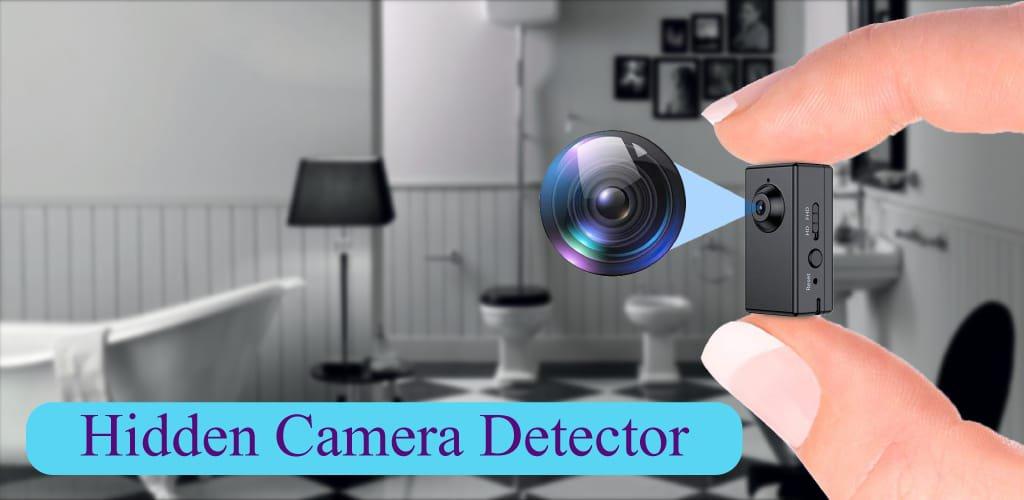
Privacy has become increasingly important in hotels, rental properties, offices, changing rooms, and other private spaces. If you are concerned that a camera may have been installed without your knowledge, a hidden camera detector can be used as one of the tools for checking the surrounding area. Hidden cameras can sometimes be disguised as everyday objects, making them difficult to identify through a simple visual inspection.
A hidden camera may be placed inside items such as smoke detectors, alarm clocks, USB chargers, light fixtures, air vents, or decorative objects. Some devices are designed to be extremely small and may only become noticeable when their lens or electronic components are detected. For this reason, a systematic inspection is recommended rather than relying on one method alone.
Understanding how detection devices work, where hidden cameras are commonly positioned, and how an inspection should be carried out can help you approach a privacy concern more carefully and responsibly.
What Is a Hidden Camera Detector?
A hidden camera detector is a device designed to help identify cameras or other surveillance equipment that may not be immediately visible. Depending on the type of detector, it may identify radio frequency signals, infrared light, reflective camera lenses, or other characteristics associated with surveillance equipment.
Different detectors work in different ways. Some are designed specifically to detect wireless signals, while others use optical methods to help locate a camera lens.
Common detection methods include:
- RF detection: Identifies certain radio frequency signals transmitted by wireless devices.
- Lens detection: Uses light to help identify reflections from camera lenses.
- Infrared detection: Can help locate infrared illumination used by some night-vision cameras.
- Combination detection: Some professional equipment combines several detection technologies.
- Manual inspection: A physical inspection is often used alongside electronic detection.
It should be understood that no single detection method can guarantee that every hidden camera will be found. A camera that is not transmitting wirelessly, for example, may not be detected by an RF-only device.
Why Are Hidden Cameras Difficult to Find?
Modern cameras can be made very small, and many can be incorporated into objects that are already present in a room. Their appearance may therefore not immediately attract attention.
A concealed camera might be installed inside:
- Smoke detectors
- Digital clocks
- Wall chargers
- USB charging adapters
- Light fixtures
- Air vents
- Decorative objects
- Speakers
- Picture frames
- Electrical outlets
- Mirrors
- Furniture
- Ceiling fixtures
Some cameras can also operate without being connected to a traditional wired network. Footage may be stored locally on a memory card, while other devices may transmit information through wireless networks.
Because of these differences, a proper inspection should not depend entirely on whether a device produces a detectable wireless signal.
How Does a Hidden Camera Detector Work?
The operating principle depends on the type of detector being used.
RF Detection
RF detectors are designed to identify radio frequency transmissions from electronic devices. If a wireless camera is actively transmitting data, a signal may be detected in its surrounding area.
During an inspection, the detector can be moved around the room while changes in signal strength are observed. Areas showing unusual activity can then be examined more closely.
However, RF signals can also be produced by legitimate devices such as:
- Wi-Fi routers
- Smartphones
- Wireless speakers
- Smart televisions
- Bluetooth devices
- Wireless security systems
Therefore, an RF signal does not automatically mean that a hidden camera is present.
Lens Detection
Some detectors use visible or specialized light to help identify the reflection produced by a camera lens. When viewed through the detector, a lens may appear as a distinctive reflection.
This method can be useful because a camera lens needs an optical opening to capture an image. Even when the camera itself is concealed, its lens may still be exposed through a small opening.
Infrared Detection
Some cameras use infrared illumination for night vision. Infrared detection equipment may help identify these sources, particularly in darker environments.
The effectiveness of this method depends on whether the camera actually uses infrared illumination. A camera without an infrared system would not necessarily be identified using this technique.
Where Should You Look for Hidden Cameras?
A room should be inspected systematically rather than randomly. Objects that have a direct view of private areas should receive particular attention.
For example, if you are checking a bedroom, bathroom, changing area, or private workspace, examine objects that could provide a clear viewing angle.
Pay attention to:
- Unfamiliar electronic devices
- Objects that appear recently installed
- Small holes that have no obvious purpose
- Unusual wires
- Devices facing beds or seating areas
- Electronics positioned in unusual locations
- Objects that appear different from similar items
- Unexpected blinking lights
- Unexplained wireless equipment
A visual inspection should also be performed before relying on electronic detection equipment.
How to Use a Hidden Camera Detector During an Inspection
The exact operating procedure depends on the model being used, so the manufacturer's instructions should always be followed. A general inspection can involve several stages.
1. Start With a Visual Inspection
Look around the room carefully before switching on the detector. Identify objects that appear unusual or that have a direct line of sight toward private areas.
This first step can provide important context for the electronic inspection.
2. Identify Normal Wireless Devices
Before using RF detection, identify legitimate sources of radio signals. Routers, smartphones, smart appliances, Bluetooth devices, and other electronics can produce signals that may trigger a detector.
If possible, known wireless devices can be temporarily disconnected during a controlled inspection.
3. Scan the Room Gradually
Move the detector slowly through the room rather than rapidly waving it around. Pay particular attention to objects that appear suspicious or are positioned where a camera could obtain a useful viewing angle.
4. Investigate Unusual Readings
A detector reading should be treated as an indication that further investigation is needed, not as proof that a hidden camera has been found.
The area should be visually inspected and, where appropriate, checked using another detection method.
5. Check Different Areas and Angles
A camera may be positioned behind an object or within a fixture. Inspection from different angles can therefore be useful, particularly when lens-reflection technology is being used.
Can a Hidden Camera Detector Find Every Camera?
No detection device should be treated as a guaranteed solution.
The effectiveness of a detector can be affected by several factors, including:
- Whether the camera is wireless or wired
- Whether the camera is actively transmitting
- Whether footage is being stored locally
- The detector's sensitivity
- Interference from other electronics
- The distance between the detector and device
- The construction of the surrounding area
- Whether the camera uses infrared illumination
For example, an RF detector may not identify a camera that is recording footage locally without transmitting a signal.
This is why multiple inspection methods are often preferred when privacy concerns are significant.
Common Mistakes During Hidden Camera Inspections
People often make several mistakes when attempting to identify surveillance equipment.
Relying Only on an RF Detector
RF detection can be useful, but many normal electronic devices also produce radio signals. A reading by itself does not establish that a camera is present.
Ignoring Physical Evidence
Small lenses, unusual holes, modified electronics, or unexplained wiring may provide useful clues. A visual inspection should therefore not be skipped.
Checking Only Obvious Locations
A camera does not necessarily need to be placed in an obvious electronic device. Everyday objects may also be modified to conceal surveillance equipment.
Moving Too Quickly
A rushed inspection can cause small details to be overlooked. Areas of concern should be examined carefully and systematically.
Assuming a Quiet Detector Means the Room Is Clear
A detector that produces no signal does not necessarily prove that no camera exists. Different technologies have different detection limitations.
What Should You Do If You Find a Suspicious Device?
If a suspicious device is discovered, avoid immediately damaging or dismantling it. If there is a genuine privacy concern, documentation may be more useful than simply removing the device.
Consider:
- Taking photographs of the device and its location
- Recording relevant details about when it was discovered
- Avoiding unnecessary handling
- Leaving the device in place when it may be relevant to an investigation
- Reporting the issue to the appropriate property owner or management
- Contacting relevant authorities when circumstances warrant it
- Seeking assistance from a qualified security or TSCM professional
If the situation involves a hotel, rental property, workplace, or another managed location, the appropriate reporting process should also be considered.
When Should Professional Detection Services Be Considered?
A basic inspection may be sufficient for some personal situations, but professional assistance can be appropriate when the potential privacy risk is serious or when the environment is large and technically complex.
Professional Technical Surveillance Counter-Measures (TSCM) inspections can involve specialized equipment and structured examination procedures.
Professional inspections may be considered for:
- Corporate offices
- Executive meeting rooms
- Sensitive business areas
- High-security facilities
- Private residences with serious concerns
- Legal or confidential environments
- Locations where previous surveillance has been suspected
Specialists may use multiple technologies rather than relying on one detector. The inspection process can also be documented, depending on the service and circumstances.
How Can You Choose the Right Detection Equipment?
When selecting a detector, consider the type of environment and the technology you need to identify.
Important considerations include:
Detection Technology
Determine whether the equipment detects RF signals, camera lenses, infrared sources, or a combination of technologies.
Sensitivity and Adjustment
A detector with adjustable sensitivity can be useful because different environments contain different levels of electronic activity.
Ease of Use
For basic personal inspections, the controls should be understandable and practical. Complicated equipment may require appropriate training.
Detection Range
The stated detection range should be considered in relation to the environment in which the equipment will be used.
False Alerts
Electronic environments can contain many legitimate signals. Equipment should therefore be used with an understanding of potential interference.
Manufacturer Instructions
The detector should be operated according to the manufacturer's instructions. Incorrect settings or improper use can affect the results.
Why a Multi-Layered Inspection Is More Practical
Hidden surveillance can take different forms, which is why a single detection method may not provide enough information.
A more comprehensive inspection can combine:
- Visual examination
- RF signal detection
- Lens reflection detection
- Infrared inspection
- Physical examination of suspicious objects
- Professional TSCM services when necessary
Each method provides different information. When the results are considered together, a more informed assessment can be made.
This approach is particularly useful in environments where privacy is highly important and the consequences of missing surveillance equipment could be significant.
Final Thought
A hidden camera detector can be a useful tool for identifying potential surveillance equipment, but it should not be viewed as a guaranteed solution. Different cameras operate in different ways, and some may not transmit signals that can be detected electronically. A careful visual inspection, appropriate detection technology, and professional assistance when required can provide a more thorough approach to privacy protection. If a suspicious device is discovered, it should be documented carefully and handled responsibly rather than being immediately damaged or removed.

 English
 Arabic
 French
 Portuguese
 Deutsch
 Turkish
 Dutch
Dutch
 Italiano
 Russian
 Romaian
 Portuguese (Brazil)
 Greek
Greek
