


How Shoreline Healthcare Providers Can Improve IT Security and Compliance
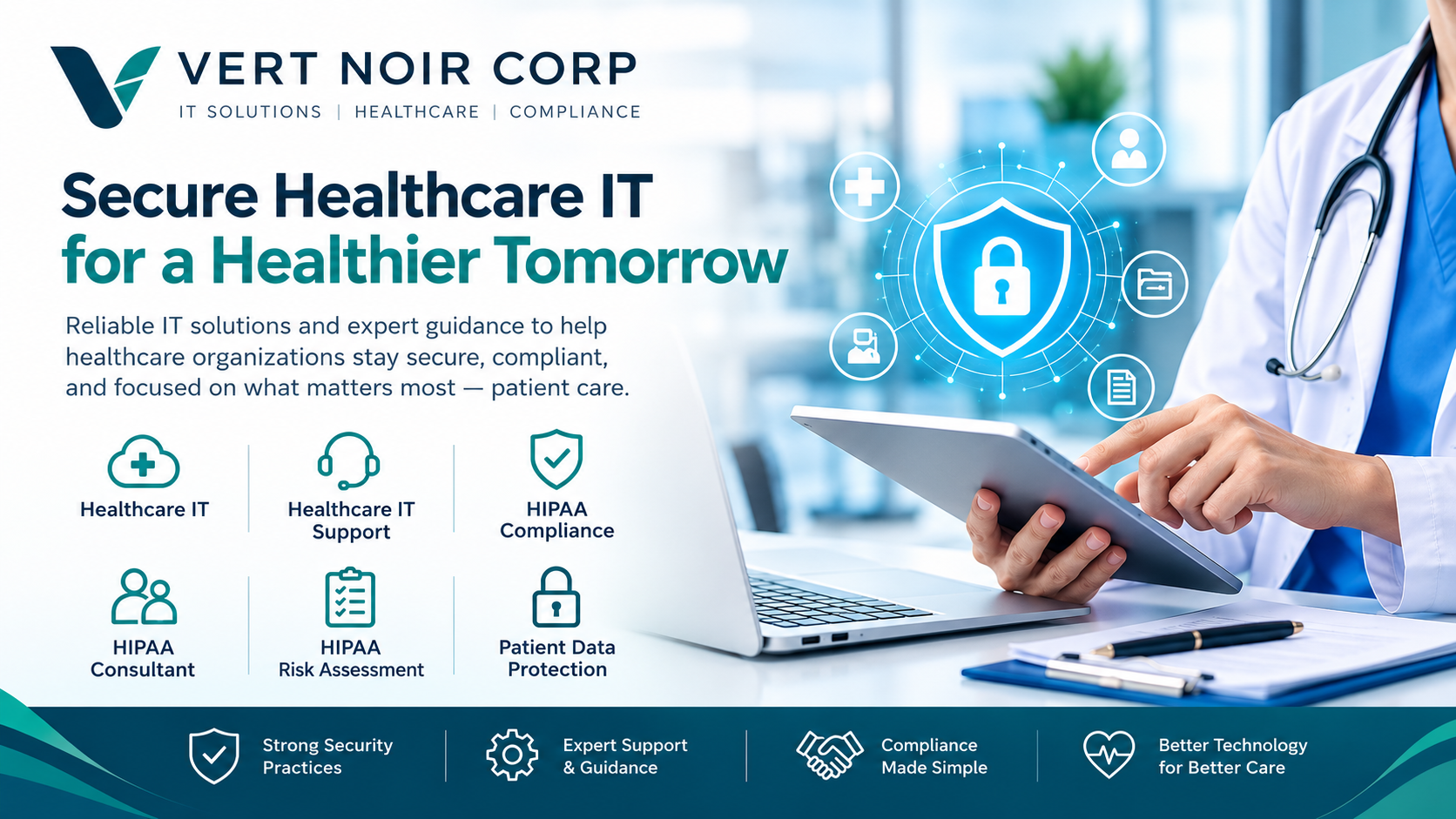
Healthcare organizations rely on technology to manage patient records, coordinate appointments, process billing, communicate with patients, and support daily clinical operations. For medical practices, dental offices, clinics, and other healthcare providers in Shoreline, reliable IT systems are essential for maintaining efficient workflows and protecting sensitive information.
However, managing healthcare technology comes with unique challenges. Cyberattacks, outdated software, accidental data exposure, and unexpected system failures can disrupt operations and put patient information at risk. At the same time, healthcare organizations must maintain appropriate privacy and security practices while keeping their technology dependable.
A practical approach combines healthcare compliance services, cybersecurity protection, and ongoing IT management. These services help healthcare providers identify weaknesses, improve technology reliability, and establish stronger safeguards for sensitive data.
Why Healthcare IT Security Matters for Shoreline Medical Practices
Healthcare organizations handle highly sensitive information, including medical histories, insurance details, patient contact information, and treatment records. Protecting this information is important for patient privacy, operational continuity, and regulatory responsibilities.
Even a small technical issue can create significant problems. A compromised email account may expose confidential information, while a failed server can prevent staff from accessing important records.
Common healthcare IT challenges include:
-
Unauthorized access to electronic health records
-
Phishing emails and stolen employee credentials
-
Outdated software and unpatched systems
-
Unreliable internet connections and network failures
-
Inadequate data backup procedures
-
Improper access permissions
-
Security weaknesses in third-party applications
-
Limited internal IT resources
Healthcare organizations need a security strategy that addresses these risks while supporting the practical needs of their staff.
What Are Healthcare Compliance Services?
Healthcare compliance services help organizations review and improve their policies, procedures, and security practices to support applicable regulatory requirements.
For organizations that handle protected health information, HIPAA is an important consideration. The HIPAA Security Rule establishes requirements for protecting electronic protected health information through administrative, physical, and technical safeguards.
Compliance support may include:
-
HIPAA security risk assessment assistance
-
Privacy and security policy reviews
-
Employee security awareness training
-
Access control evaluations
-
Business associate management
-
Security documentation support
-
Incident response planning
-
Compliance gap identification
These services can help healthcare organizations understand where their existing practices may need improvement.
Compliance is not simply about maintaining paperwork. Policies and procedures should reflect actual operations, and employees should understand how to protect sensitive information in their daily work.
How Healthcare Cybersecurity Services Protect Patient Information
Healthcare cybersecurity services focus on identifying, preventing, and responding to digital threats. They help organizations protect devices, networks, applications, and information from unauthorized access and malicious activity.
A layered security strategy is particularly important because cyber threats can enter through different points, including email accounts, remote connections, outdated applications, and vulnerable devices.
Endpoint Security and Device Protection
Healthcare employees use computers, laptops, tablets, and mobile devices to access clinical and administrative systems. Each device can become a security risk if it is not properly maintained.
Endpoint protection may include malware detection, device monitoring, security configuration management, and timely software updates.
Organizations should also consider device encryption, secure remote access, and procedures for reporting lost or stolen equipment.
These measures help reduce the risk of unauthorized access and improve visibility into the devices connected to healthcare systems.
Email Security and Phishing Prevention
Email is an essential communication tool for healthcare organizations, but it can also be a common entry point for cyberattacks.
Phishing messages may imitate trusted vendors, colleagues, insurance companies, or healthcare technology providers. Employees who click malicious links or share login credentials may unintentionally expose sensitive information.
Email security measures can include:
-
Spam and malicious email filtering
-
Suspicious link detection
-
Attachment scanning
-
Multi-factor authentication
-
Employee phishing awareness training
-
Clear procedures for reporting suspicious messages
Combining technical protection with employee education helps organizations reduce avoidable email-related security risks.
Identity and Access Management
Employees should have access to the information and systems needed for their responsibilities, without receiving unnecessary permissions.
A healthcare organization can improve access security by assigning individual user accounts, applying role-based permissions, enabling multi-factor authentication, and reviewing access rights regularly.
Accounts belonging to former employees should be disabled promptly. Administrative accounts should receive additional protection because they may provide access to critical systems.
These practices help reduce the risk of unauthorized access to patient records and business applications.
The Role of Healthcare Managed IT Services in Shoreline
Healthcare Managed IT Services in Shoreline can provide ongoing technical support, system monitoring, maintenance, and technology management for healthcare organizations.
Instead of relying only on reactive repairs, managed IT support focuses on maintaining reliable systems and identifying potential problems before they cause major disruption.
Depending on the service arrangement, managed IT support may include:
-
Network and server monitoring
-
Computer and workstation maintenance
-
Software patch management
-
Help desk support
-
Cloud system administration
-
Backup monitoring
-
Cybersecurity coordination
-
Hardware and software inventory
-
Remote troubleshooting
-
IT planning and documentation
For smaller medical practices, managed IT support can provide access to technical expertise without requiring a large internal IT department.
The specific services should be defined in a clear agreement that explains responsibilities, response procedures, security expectations, and support coverage.
Reduce Downtime With Proactive IT Monitoring
Unexpected technology failures can interrupt patient scheduling, communication, billing, and access to electronic records.
Proactive monitoring helps IT teams identify signs of trouble before a system becomes unavailable. For example, a server may show declining storage capacity, a network device may experience repeated errors, or a backup process may fail without immediate notice.
Monitoring may cover:
-
Server performance
-
Network connectivity
-
Storage capacity
-
Backup completion
-
Device health
-
Application availability
-
Security alerts
-
Unusual system activity
Early detection can help IT teams investigate problems and take corrective action before they significantly affect daily operations.
Although monitoring cannot prevent every outage, it can improve system visibility and support faster troubleshooting.
Strengthen Data Backup and Disaster Recovery
Healthcare organizations need a dependable plan for protecting important information and restoring systems after unexpected events.
Hardware failures, ransomware incidents, accidental deletions, and natural disasters can all interrupt access to business-critical data.
A reliable backup and recovery strategy should address several questions:
-
Which systems and records require backup?
-
How frequently should backups run?
-
Where are backup copies stored?
-
Who can access backup systems?
-
Are backups protected from unauthorized changes?
-
How quickly can critical systems be restored?
-
Are recovery procedures tested regularly?
Organizations should also consider how staff will continue essential operations during an extended technology outage.
Regular recovery testing helps identify weaknesses and confirms whether backup procedures work as intended.
Improve Network Security and Remote Access
Healthcare organizations may use multiple locations, cloud applications, remote support tools, and connected devices. These systems need secure configurations and appropriate access controls.
A network security review should examine firewall settings, wireless access, remote connections, connected devices, and the separation of systems that handle sensitive information.
Remote access should be limited to authorized users and protected with appropriate authentication and monitoring.
Organizations should also review whether guest wireless networks are separated from systems used for clinical and administrative work.
A well-managed network can improve reliability while reducing unnecessary exposure to security threats.
Manage Software Updates and Security Vulnerabilities
Outdated software can contain weaknesses that attackers may exploit. Healthcare organizations should maintain an inventory of their technology and establish a process for applying security updates.
Important areas to review include:
-
Operating systems
-
Electronic health record applications
-
Network equipment
-
Security software
-
Cloud applications
-
Connected medical devices
-
Remote access tools
Unsupported software requires particular attention because it may no longer receive regular security updates.
A vulnerability management process should identify weaknesses, prioritize them according to risk, assign responsibility for corrective action, and verify that problems have been addressed.
Regular maintenance helps reduce preventable security issues and supports more dependable IT operations.
Support Employee Productivity With Reliable IT Help Desk Services
Technology problems can slow down healthcare staff and create frustration during busy workdays.
Employees may need help with login issues, printing problems, application errors, device configuration, or access to shared systems.
A responsive IT help desk gives staff a clear way to report technical problems and receive assistance.
Useful support processes include:
-
A simple method for submitting requests
-
Clear issue-priority levels
-
Defined response expectations
-
Remote troubleshooting when appropriate
-
Documentation of recurring problems
-
Follow-up after major incidents
Reliable technical support can reduce unnecessary interruptions and help employees return to their work more quickly.
How to Choose the Right Healthcare IT Provider in Shoreline
Selecting an IT provider requires more than comparing monthly service fees. Healthcare organizations should evaluate technical expertise, security practices, communication, and the provider's understanding of healthcare workflows.
Before choosing a provider, consider asking:
-
Do you have experience supporting healthcare organizations?
-
How do you monitor networks and critical systems?
-
What security controls do you recommend for patient information?
-
How do you handle software updates and vulnerabilities?
-
What backup and recovery support do you provide?
-
How are security incidents reported and addressed?
-
What are your help desk response expectations?
-
How do you document work and communicate with management?
Healthcare organizations should also clarify which responsibilities remain with their own staff and which are handled by the IT provider.
An outside provider can support technology management and security improvements, but the healthcare organization remains responsible for understanding and meeting its applicable obligations.
Create a Practical Healthcare IT Improvement Plan
Improving healthcare technology does not have to happen all at once. A structured plan can help organizations address the most important issues first.
A practical improvement plan should include:
Step 1: Review the current environment. Identify systems, devices, applications, users, and vendors that handle sensitive information.
Step 2: Identify security and operational weaknesses. Review access permissions, backups, software updates, network settings, and existing policies.
Step 3: Prioritize corrective actions. Focus first on issues that could create serious security or operational consequences.
Step 4: Assign responsibilities. Determine who will implement each improvement and establish realistic deadlines.
Step 5: Monitor progress. Track completed actions, unresolved issues, and recurring problems.
Step 6: Review the plan regularly. Update priorities as technology, business needs, and security risks change.
This approach helps healthcare organizations make informed decisions and use available resources more effectively.
Final Thoughts
Healthcare organizations in Shoreline need reliable technology, effective security practices, and clear processes for protecting sensitive patient information.
Healthcare compliance services can help organizations review policies and identify potential gaps. Healthcare cybersecurity services can strengthen protection against digital threats, while managed IT support can improve system reliability, maintenance, and technical assistance.
By combining these services with employee awareness, secure access controls, tested backups, and regular technology reviews, healthcare providers can build a more resilient IT environment.

 English
 Arabic
 French
 Spanish
 Portuguese
 Deutsch
 Turkish
 Dutch
Dutch
 Russian
 Romaian
 Portuguese (Brazil)
 Greek
Greek
