


Exploring Materials, Function and Design in Modern Pulling Tools
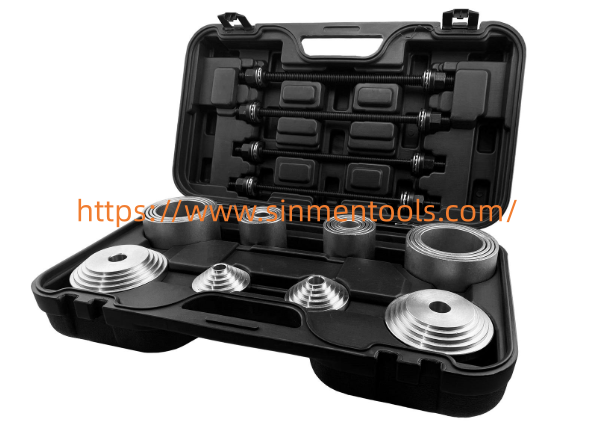
Mechanical maintenance often involves removing components that have become tightly fitted after extended use, and a Gear Puller can provide a controlled way to separate gears, bearings, pulleys, and similar parts from their surrounding assembly. Instead of relying on improvised leverage or impact, a pulling tool uses gripping elements and a central mechanism to direct force toward the component being removed. This approach makes tool selection closely connected with material quality, structural arrangement, working conditions, and user handling.
Material selection is one of the foundations of puller construction. The main frame, arms, jaws, spindle, and related components need to work together as a mechanical system. Alloy steel is commonly used in professional pulling tools because it can provide a suitable combination of strength, hardness, and durability when properly processed. Different components may also receive different surface treatments to support resistance to wear and environmental exposure. Buyers should therefore look at the material and manufacturing approach of the complete tool rather than judging quality from appearance alone.
The jaw structure deserves particular attention during selection. Different mechanical assemblies provide different amounts of access around the component being removed. A two-jaw arrangement may suit certain narrow working spaces, while a three-jaw configuration can provide a more surrounding grip. Adjustable gripping elements can also help users adapt the tool to different component shapes. The key consideration is whether the jaws can contact a solid part of the workpiece without interfering with nearby components.
Application conditions should guide the purchasing decision. Automotive repair, machinery maintenance, workshop servicing, and equipment refurbishment can involve different types of gears, bearings, pulleys, and shafts. Before choosing a puller, users can examine the shape of the component, the available working space, the location of the shaft, and the direction in which the component needs to move. Selecting a tool according to the actual mechanical arrangement can make the removal process more controlled.
The central mechanism is another important part of the technology. A puller typically transfers turning movement through a spindle toward the center of the workpiece, while the arms maintain contact with the component. Proper alignment allows the pulling action to remain focused rather than being applied from an unnecessary angle. This relationship between the spindle, frame, and jaws is central to the tool's operation and should be considered when evaluating different designs.
Manufacturing technology can have a direct influence on the consistency of mechanical tools. Forging can help form strong structural components, while machining can refine contact areas and threads. Surface finishing can further influence the feel and protection of the finished tool. Taizhou Xinming Technology Co., Ltd. describes its production process as combining material selection, precision manufacturing, testing, and quality control across its range of pullers and automotive maintenance tools.
User experience begins with positioning the puller correctly. A tool that is easy to adjust can help technicians establish a stable connection before applying force. Clear movement between the arms, accessible adjustment points, and a manageable spindle can make setup easier in a busy workshop. Good ergonomics are especially valuable when technicians need to work around engines, machinery housings, or other areas where access may already be restricted.
Grip stability also affects the working experience. The jaws need to remain appropriately positioned against the workpiece while the central mechanism is operated. If contact is made with a weak edge or an unsuitable surface, the tool may not behave as intended. For this reason, users should consider jaw shape and contact design alongside the overall strength of the puller.
Maintenance is another part of product usability. Mechanical tools are exposed to oil, dust, metal particles, and workshop conditions, so cleaning and inspection should become part of regular use. Threads and moving contact areas may require appropriate care, while jaws and arms can be checked for visible wear. A straightforward construction can make these routine inspections easier and help users recognize when a component requires attention.
Appearance has a practical role as well. Surface finishing can protect exposed metal components while giving the tool a more consistent appearance. Chrome, zinc, or other treatments may be selected according to the product design and intended working environment. A clean surface can also make it easier to inspect the tool for contamination or visible damage. For professional tool brands, consistent finishing across a product range can create a recognizable visual identity.
Design flexibility is particularly useful for manufacturers serving different repair markets. Some users may require compact arrangements for restricted spaces, while others may need broader adjustment possibilities for different mechanical assemblies. Taizhou Xinming Technology Co., Ltd. offers different puller configurations, including two-jaw and three-jaw designs, alongside automotive repair tools and hydraulic equipment. Its product development and manufacturing approach also supports customized tool solutions for different application requirements.
For tool distributors, repair workshops, automotive technicians, and equipment manufacturers, evaluating a puller through material selection, jaw configuration, mechanical alignment, manufacturing quality, handling, maintenance, and surface design can make the purchasing process more practical. These considerations are useful when the tool needs to fit naturally into different repair environments while providing technicians with a clear and manageable method of component removal. More information about Taizhou Xinming Technology Co., Ltd. and its pulling tools is available at https://www.sinmentools.com/

 English
 Arabic
 French
 Spanish
 Portuguese
 Turkish
 Dutch
Dutch
 Italiano
 Russian
 Romaian
 Portuguese (Brazil)
 Greek
Greek
