


Cnloadbank: What to Look For When Choosing an RLC Load Bank Manufacturer
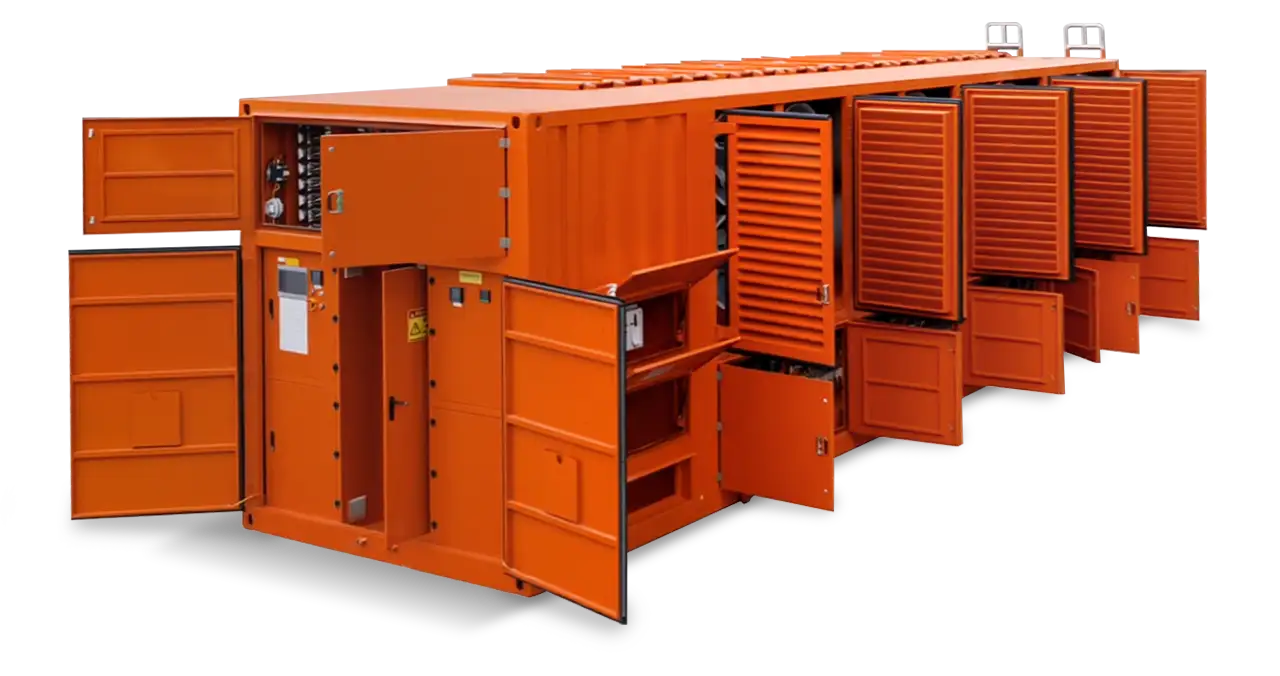
As industries lean more heavily on electronic equipment and complex power systems, reliable testing solutions matter more than ever, and RLC load bank testing has become one of the more trusted ways to confirm equipment actually performs the way it's supposed to. These specialized systems simulate real-world electrical loads to evaluate generators, UPS systems, and battery-backed power sources before they ever go into service.
Why the Manufacturer You Choose Matters So Much
Selecting a dependable RLC load bank manufacturer comes down to a handful of practical considerations, starting with a proven track record of delivering testing equipment that holds up over time. A manufacturer's history and reputation in the industry tend to say a lot about whether their products will still perform reliably years down the road.
Matching Equipment Capability to Real Testing Needs
Beyond reputation, the specific features of an RLC load bank matter just as much — the system needs to accurately simulate whatever load conditions the testing application actually calls for, and it needs to be genuinely compatible with the power sources being tested. Adjustable load parameters, remote monitoring capability, and a user interface that doesn't require a manual just to operate all make a real difference in day-to-day testing work.
Why Simultaneous Load Simulation Sets Better Equipment Apart
By simultaneously simulating resistive, inductive, and capacitive loads, a well-built RLC load bank accurately replicates the real operating conditions found in data centers and generator systems, which makes it an indispensable tool for generator performance testing, UPS verification, and data center commissioning and acceptance work. That's a meaningfully different standard than equipment that only handles one load type at a time.
Flexible Load Simulation Across a Full Power Factor Range
Strong RLC systems can flexibly simulate any combination of resistive, inductive, and capacitive loads, with power factor adjustable from 0 to 1 in either the leading or lagging direction — providing the most realistic and comprehensive factory or grid-level complex load environment test available for generators, UPS systems, and new energy inverters alike. That range is really what separates genuine performance verification from a simplified benchmark test.
Extensive Industry Experience Behind the Equipment
A manufacturer with extensive, hands-on experience specifically in RLC systems tends to understand the nuances that generic load testing suppliers miss — how excitation systems respond under reactive load, how AVR regulation holds up across shifting power factors, and how to configure a system that actually matches a client's voltage, current, and testing requirements rather than forcing a standard model to fit.
What Genuinely Reliable Support Looks Like
Beyond the hardware itself, ongoing customer support and service play a real role in the decision. A manufacturer that stays responsive after the sale — helping with configuration questions, troubleshooting, and maintenance guidance — tends to be the difference between a testing program that runs smoothly for years and one that stalls out the first time something unexpected comes up.
Putting It All Together
Choosing the right RLC load bank manufacturer ultimately comes down to weighing reputation, technical capability, and support together rather than any single factor in isolation. A manufacturer offering flexible, genuinely adjustable load simulation, proven industry experience, and dependable long-term service gives testing teams the confidence that their equipment will accurately verify performance — whatever the application, and however complex the real-world load conditions turn out to be.

 English
 Arabic
 French
 Spanish
 Portuguese
 Deutsch
 Turkish
 Italiano
 Russian
 Romaian
 Portuguese (Brazil)
 Greek
Greek
