


Lock Replacement: What to Check Before Changing Your Door Lock
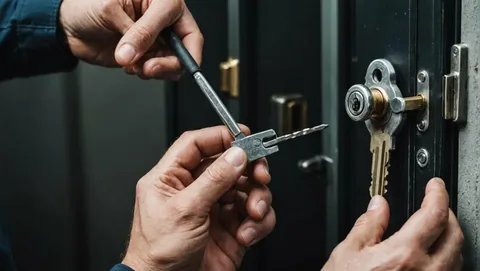
Changing a door lock may seem straightforward, but the right replacement depends on the door, existing hardware, and reason for the change. Lock replacement can be useful when a lock is damaged, worn out, difficult to operate, or no longer suitable for the property.
Before buying a new lock, take a few minutes to check what is actually needed. This can help prevent compatibility problems and unnecessary changes.
Start With the Reason for Replacement
The first step is to understand why the lock needs to be changed.
Common reasons include:
-
The lock is damaged
-
The key keeps getting stuck
-
The mechanism has become difficult to operate
-
Keys have been lost
-
Someone who had access no longer needs it
-
The lock is old or heavily worn
-
The existing lock is not suitable for the door
The reason matters because replacing a damaged mechanism is different from changing a lock simply to control who has access.
Check the Existing Lock
Before removing anything, look closely at the current lock.
Check how the key enters and turns, how the latch moves, and whether the handle operates normally. Also look for cracks, corrosion, loose hardware, or signs of forced damage.
If the lock still works but has become unreliable, replacement may be worth considering before it fails completely.
A technician can also determine whether the problem is actually coming from the lock or another part of the door.
Measure Before Buying a Replacement
Not every lock fits every door.
The dimensions of the existing lock, cylinder, backset, mounting points, and door thickness can affect compatibility.
This is particularly important when replacing a lock without changing the entire door.
Avoid choosing a replacement only because it looks similar to the existing hardware. Two locks can appear almost identical while having different measurements or installation requirements.
Accurate measurements can save time and prevent a replacement from being unsuitable.
Consider the Door Material
The type of door also matters.
Wooden, steel, aluminium, and glass doors may use different locking arrangements.
For example, aluminium doors often use hardware designed specifically for their profiles. If you need a compatible option, you can review an aluminium door lock based on the existing door configuration.
The replacement should match the door rather than simply being selected because it is advertised as a general-purpose lock.
Think About Who Needs Access
A lock replacement can also be an opportunity to review access.
If keys have been lost, you may want to change the lock so that old keys no longer provide access.
The same consideration can apply after moving into a new property or when tenants, employees, contractors, or other authorized users change.
You should know who needs access before selecting the replacement.
This helps you decide whether a conventional keyed lock, rekeyable system, or another access arrangement is appropriate.
Do Not Ignore the Door Frame
A new lock cannot solve every security problem.
The door frame, strike plate, hinges, and surrounding hardware also affect how the door closes and secures.
If the frame is damaged or the strike area is badly aligned, installing a new lock may not solve the underlying issue.
Inspect the complete door setup before deciding that the lock alone needs to be replaced.
What About Sliding Doors?
Sliding doors require different hardware from standard hinged doors.
Their locks interact with the sliding panel, frame, and track system. Choosing a conventional replacement lock without checking the existing configuration may therefore cause problems.
If the property has a sliding entrance, a compatible sliding door lock system may be more appropriate.
The exact replacement depends on the door design and existing hardware.
Check Whether Repair Is Still Practical
Replacement is not always necessary.
A loose screw, worn strike plate, alignment problem, or another minor issue may sometimes be addressed without changing the complete locking mechanism.
On the other hand, a badly damaged or heavily worn lock may not be worth repairing.
The decision should consider the condition of the existing hardware, the age of the lock, compatibility with the door, and the cost of continued repairs.
Avoid DIY Changes That Could Damage the Door
Removing a lock without understanding how it is fitted can damage the door or surrounding hardware.
This is especially relevant when dealing with aluminium profiles, multi-point locks, or unusual locking systems.
If you are unsure about the mechanism, professional assistance can help identify the correct replacement and install it without unnecessary damage.
Check the Lock After Installation
Once a replacement has been installed, do not immediately assume everything is correct.
Test the key several times.
Check that the latch or bolt moves smoothly and that the door closes without excessive pressure.
Also test the lock with the door both open and closed.
If the mechanism works when open but becomes difficult when closed, there may still be an alignment issue that needs attention.
Final Thoughts
Lock replacement should not be based only on the appearance of a new lock.
Check why the existing lock needs changing, measure the hardware, consider the door material, review who needs access, and inspect the surrounding door components.
A suitable replacement should work with the existing door and provide the access arrangement you actually need.
Taking these steps before changing the lock can help avoid compatibility problems and make the installation more straightforward.

 English
 Arabic
 French
 Spanish
 Portuguese
 Turkish
 Dutch
Dutch
 Italiano
 Russian
 Romaian
 Portuguese (Brazil)
 Greek
Greek
