


What Should You Include in a Relocation Budget?
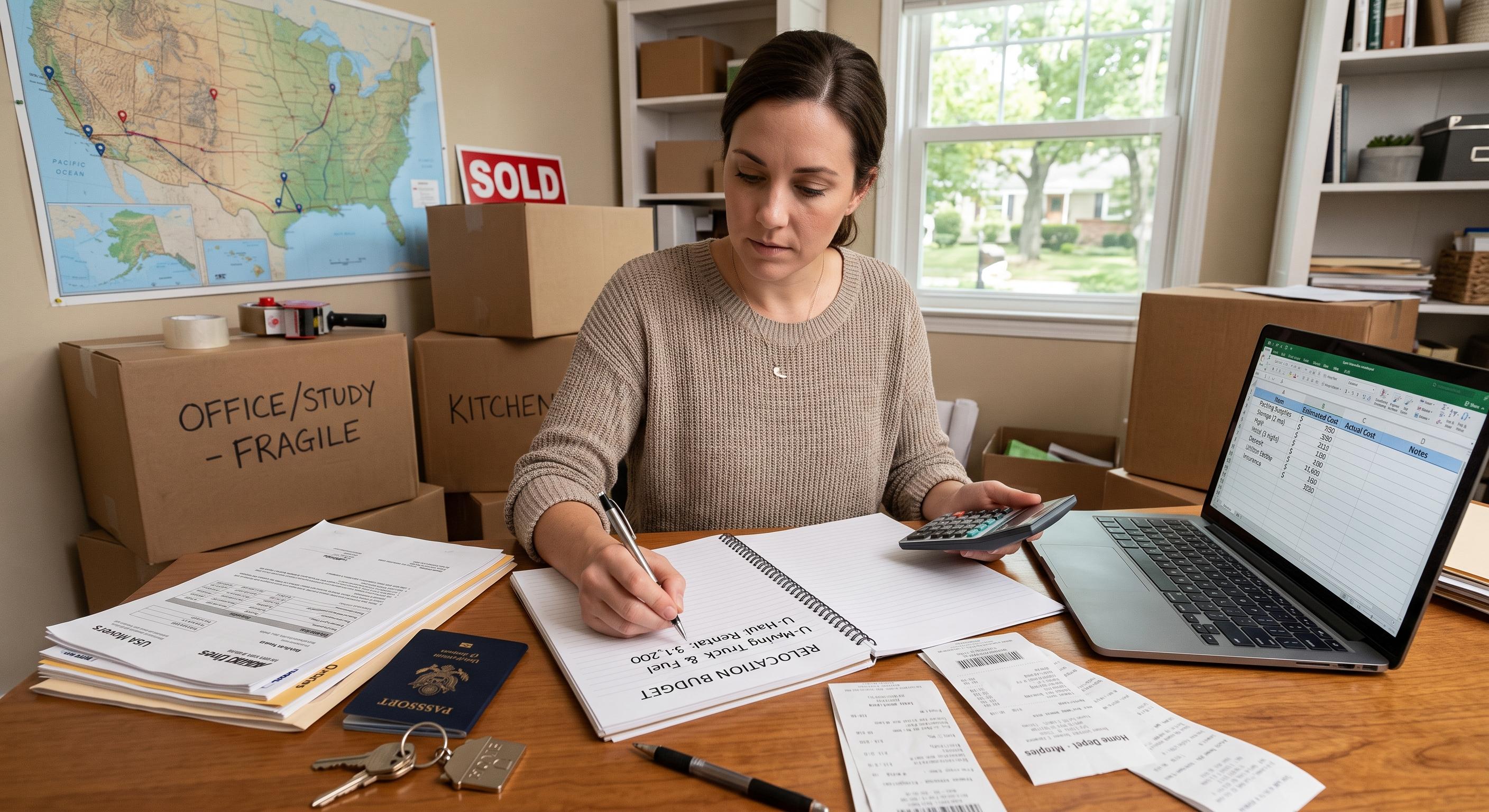
Moving to a new home can be exciting, but the costs can add up quickly if you don't plan ahead. A relocation budget gives you a clear picture of what you'll need to spend before, during, and after your move.
Many people focus only on the price of hiring movers. However, a complete moving budget can include packing materials, transportation, temporary housing, storage, cleaning, utility deposits, insurance, meals, pet transportation, and other expenses.
The good news is that you don't have to guess your way through the process. With a little research and careful planning, you can estimate your expenses and leave room for unexpected costs.
If you're comparing moving companies, My Good Movers can also be useful as a moving directory where you can explore moving companies and compare available options. Instead of choosing a mover based on price alone, you can consider services, reviews, and your specific moving requirements.
Whether you're moving across town or across the country, creating your budget early can make the entire process easier to manage.
Why Is a Relocation Budget Important?
A relocation budget helps you understand the full financial impact of your move. Without one, small expenses can sneak up on you and turn into a surprisingly large bill.
For example, you may budget $2,500 for professional movers. Then you realize you also need $200 worth of packing supplies, $150 for cleaning, $500 for temporary accommodation, and additional money for travel.
Suddenly, your actual moving expenses are much higher than expected.
A detailed budget helps you:
- Set realistic spending limits
- Compare moving quotes
- Identify unnecessary expenses
- Prepare for unexpected charges
- Decide which services you can handle yourself
- Save money before moving day
- Avoid financial stress after arriving
It's also helpful to separate your expenses into categories. This makes it easier to see where your money is going.
Professional Moving Company Costs
For many households, professional movers will be one of the largest expenses in the moving budget.
Moving companies may calculate their prices based on several factors, including:
- Moving distance
- Number of belongings
- Home size
- Number of movers required
- Labor hours
- Moving date
- Packing services
- Specialty items
- Stairs and accessibility
- Storage requirements
Local moves are often priced differently from long-distance moves. A local move may depend heavily on hourly labor, while a long-distance move can involve mileage, shipment weight or volume, fuel, and other factors.
When requesting a moving quote, don't simply ask, "How much will it cost?" Ask what the quote includes.
For example, find out whether the price includes:
- Loading
- Unloading
- Furniture wrapping
- Basic protection
- Stairs
- Long carries
- Travel fees
- Fuel charges
- Packing
- Disassembly and reassembly
This can help you compare quotes more accurately.
Compare Movers Before Making a Decision
A low quote isn't automatically the cheapest option if it leaves out important services.
Use a moving directory such as My Good Movers to research available moving companies and compare your options. Looking at several movers can give you a better understanding of the market and help you identify which services fit your needs.
Before hiring anyone, verify the company's service details, pricing terms, reviews, and policies.
Packing Materials and Supplies
Packing is another important part of your relocation budget.
Even if you plan to pack everything yourself, supplies aren't free. You'll likely need boxes, tape, wrapping materials, labels, and protective materials.
Common packing expenses include:
| Packing Item | Purpose |
|---|---|
| Moving boxes | Packing household belongings |
| Packing tape | Sealing boxes |
| Bubble wrap | Protecting fragile items |
| Packing paper | Wrapping dishes and glassware |
| Furniture covers | Protecting larger items |
| Labels | Identifying box contents |
| Markers | Writing instructions |
| Mattress bags | Protecting mattresses |
| Specialty boxes | Packing TVs, mirrors, or artwork |
One way to save money is to use suitable boxes you already have. However, avoid using damaged or weak boxes for heavy belongings.
You can also ask local stores whether they have clean, sturdy boxes available.
Transportation and Travel Expenses
Your relocation budget should account for your own transportation as well as the transportation of your belongings.
If you're moving locally, these costs may be relatively small. A long-distance move can be different.
Potential travel expenses include:
- Gas
- Airfare
- Hotel stays
- Rental vehicles
- Tolls
- Parking
- Meals
- Public transportation
- Vehicle shipping
If you're driving to your new location, estimate fuel costs based on your vehicle's fuel economy and the distance of the journey.
It's wise to add a small amount for unexpected travel expenses, too. Detours, traffic delays, overnight stays, and vehicle issues can all affect your final cost.
Storage Costs
Sometimes your old lease ends before your new home is ready. In other situations, your belongings simply won't fit into the new property immediately.
That's where storage can become part of your relocation budget.
Storage expenses may include:
- Monthly storage fees
- Initial deposits
- Transportation to the facility
- Insurance
- Locks
- Moving labor
- Climate-controlled storage
Climate-controlled storage can cost more, but it may be useful for belongings that could be damaged by extreme temperature or humidity.
If you need storage for only a short period, compare short-term options before committing to a long-term contract.
Moving Insurance and Valuation Coverage
Your household belongings have financial value, so protection should be considered when planning your budget.
Moving companies may provide different types of liability or valuation coverage. The amount and terms can vary, so read the documentation carefully.
Ask:
- What protection is included?
- Are there limits on certain items?
- How are damaged items valued?
- Are high-value belongings covered?
- Is additional protection available?
You should also check whether your homeowners or renters insurance provides any coverage during a move.
Don't assume your existing policy covers every situation. Confirm the details with your insurer.
Housing and Utility Expenses
Relocation costs don't end when the moving truck arrives.
Your new home may require several initial expenses, including:
- Security deposit
- First month's rent
- Application fees
- Pet deposit
- Utility deposits
- Connection fees
- Internet installation
- Parking fees
- Home repairs
- New locks
If you're purchasing a home, the list may be even longer because of closing-related expenses, inspections, repairs, and other ownership costs.
Create a separate section of your budget for these expenses so you don't accidentally spend your entire moving fund before settling in.
Cleaning and Maintenance Costs
Cleaning both properties can become an easy-to-forget expense.
Before leaving your old home, you may need to:
- Clean floors
- Wash windows
- Clean appliances
- Remove trash
- Repair minor damage
- Clean bathrooms
- Patch small holes
- Remove unwanted belongings
Your new home may also require cleaning before you unpack.
You can do the work yourself if you have the time and energy. Otherwise, professional cleaning services should be included in your budget.
Food and Temporary Accommodation
Long-distance relocations can sometimes require temporary accommodation.
If your new home isn't ready on moving day, you might need to stay in a hotel, short-term rental, or another temporary property.
Your budget may need to cover:
- Hotel or rental costs
- Restaurant meals
- Groceries
- Parking
- Pet fees
- Laundry
- Transportation
Food is particularly easy to underestimate.
During a move, your kitchen may be packed for several days. That means you could spend more on takeout and restaurants than usual.
Setting aside a specific food allowance can help prevent these costs from getting out of control.
Pet Relocation Expenses
Moving with pets requires additional planning.
Depending on the distance and type of move, you might spend money on:
- Pet carriers
- Travel crates
- Veterinary visits
- Required vaccinations
- Health certificates
- Pet-friendly hotels
- Airline pet fees
- Pet transportation services
- Food and medication supplies
Check the requirements of your destination before moving.
For a long-distance move, plan the pet's travel arrangements early rather than waiting until the last minute.
Vehicle Relocation Costs
If you're moving far away, you'll need to decide whether to drive your vehicle or have it transported.
Driving may involve:
- Fuel
- Hotels
- Meals
- Tolls
- Maintenance
Vehicle shipping can involve:
- Pickup charges
- Delivery charges
- Distance
- Vehicle size
- Transport type
Get quotes early if you plan to ship a vehicle. Prices can vary based on timing, location, vehicle type, and transportation method.
Don't Forget Hidden Moving Expenses
Some expenses aren't obvious when you first create your relocation budget.
Potential hidden costs include:
- Elevator fees
- Stair fees
- Long-carry fees
- Parking permits
- Shuttle services
- Extra packing materials
- Furniture disassembly
- Furniture assembly
- Appliance servicing
- Storage extensions
- Cleaning
- Utility deposits
- Replacement household items
This is why it's useful to maintain a miscellaneous category in your budget.
A small emergency fund can make unexpected expenses much easier to handle.
How to Build a Realistic Relocation Budget
Creating a budget doesn't have to be complicated.
Start by making a list of all expected expenses.
Step 1: Estimate Your Moving Service
Request quotes from multiple moving companies.
Don't compare only the final price. Review what each quote includes.
Step 2: Estimate Packing Costs
Count the number of rooms and determine how much packing material you'll need.
Step 3: Calculate Travel Expenses
Estimate fuel, accommodation, meals, tolls, and other travel costs.
Step 4: Add Housing Expenses
Include deposits, rent, utility setup, and other immediate housing costs.
Step 5: Add Storage
If you need storage, estimate the number of months you'll need it.
Step 6: Add a Contingency Fund
Unexpected costs are common during relocation.
A contingency amount gives your budget some breathing room.
Example Relocation Budget
Here's a simple example of how a household might organize its expenses:
| Expense Category | Estimated Cost |
|---|---|
| Professional movers | $2,500 |
| Packing supplies | $250 |
| Travel | $500 |
| Temporary accommodation | $400 |
| Storage | $300 |
| Cleaning | $200 |
| Utility setup and deposits | $300 |
| Pet/vehicle expenses | $250 |
| Miscellaneous | $300 |
| Estimated Total | $5,000 |
These figures are only an example. Actual moving costs can vary significantly depending on location, distance, household size, moving date, services, and individual circumstances.
The purpose of this table is to show how expenses can be organized rather than provide a universal moving price.
Ways to Reduce Relocation Costs
Once you've created your budget, look for areas where you can reduce spending.
Declutter Before Moving
The less you move, the less space, labor, and transportation you may need.
Sell, donate, recycle, or dispose of belongings you no longer use.
Compare Multiple Movers
Don't accept the first quote you receive.
Research different companies and compare their services and terms.
Move During Flexible Dates
If your schedule allows, ask movers about different dates. Availability and demand can affect pricing.
Pack Some Items Yourself
If a moving company offers packing services, you may be able to reduce labor costs by handling some packing independently.
Use Existing Supplies
Reuse suitable boxes and packing materials whenever possible.
Avoid Last-Minute Decisions
Last-minute bookings and rushed purchases can make moving more expensive.
Planning early gives you more time to compare options.
Frequently Asked Questions
What should a relocation budget include?
A relocation budget should include moving company fees, packing supplies, transportation, storage, insurance or valuation coverage, housing deposits, utilities, cleaning, meals, temporary accommodation, pet expenses, vehicle costs, and miscellaneous expenses.
How much should I set aside for unexpected moving costs?
There's no single amount that works for every move. A contingency fund can provide a cushion for unexpected charges such as additional labor, storage extensions, travel delays, or replacement supplies.
Should I include packing supplies in my moving budget?
Yes. Boxes, tape, protective materials, labels, and specialty containers can add up, especially for larger households.
Is hiring professional movers worth including in a relocation budget?
If you plan to use professional movers, their cost should be one of the first major categories in your budget. Compare several quotes and review the services included before making a decision.
Can I reduce my relocation costs by decluttering?
Yes. Removing unwanted belongings before moving can potentially reduce the amount of space, labor, and transportation required.
Should temporary housing be part of my relocation budget?
Yes, if there's a possibility that your new home won't be available immediately. Include hotels, short-term rentals, meals, parking, and other temporary living expenses.
How can My Good Movers help with relocation planning?
My Good Movers is a moving directory that helps users research moving companies and compare available moving options. It can be a useful starting point when you're looking for movers based on your location and moving requirements.
What is the biggest mistake people make when creating a moving budget?
One common mistake is budgeting only for the moving truck or movers. A complete budget should account for the entire relocation process, including packing, travel, storage, housing setup, and unexpected expenses.
Conclusion: Plan Your Relocation With Confidence
A well-planned relocation budget can make moving less stressful and more predictable. Instead of focusing only on the cost of movers, consider every stage of the process, from packing and transportation to temporary accommodation and setting up your new home.
Start by listing your expected expenses, collect moving quotes, compare services, and leave room for unexpected costs. Most importantly, review your budget before making major moving decisions.
If you're searching for moving companies, My Good Movers can help you research and compare moving options in one place. Taking time to compare providers and understand the services included in each quote can help you make a more informed moving plan.
With preparation, realistic estimates, and a little flexibility, you can approach your next relocation with greater financial confidence.

 English
 Arabic
 French
 Spanish
 Portuguese
 Deutsch
 Turkish
 Dutch
Dutch
 Italiano
 Russian
 Romaian
 Greek
Greek
