


Commercial Extractor Maintenance: What Should You Check?
Introduction
For hotels, hospitals, universities, garment units and commercial laundries, reliable laundry equipment protects linen quality, turnaround times and operating costs. A washer-extractor or commercial extractor must remove water efficiently without damaging textiles or creating avoidable vibration. That is why commercial extractor maintenance should be treated as a planned operational responsibility, not an occasional repair task. It also helps facility teams understand the wider cleaning process, including how a commercial dry cleaning machine works and what chemicals are used. Although dry cleaning and wet laundry use different technologies, both depend on correct machine selection, chemical control, ventilation and trained operation. In India, where laundry rooms may handle heavy hospitality linen, healthcare textiles, uniforms and industrial workwear, equipment is often exposed to demanding daily schedules, variable water quality and high ambient temperatures. A practical maintenance programme from Supershine Laundry can help managers identify wear before it becomes downtime. This guide explains what to inspect, why each check matters and how Supershine Laundry supports informed decisions for commercial and industrial laundry operations.
What a Commercial Extractor Does
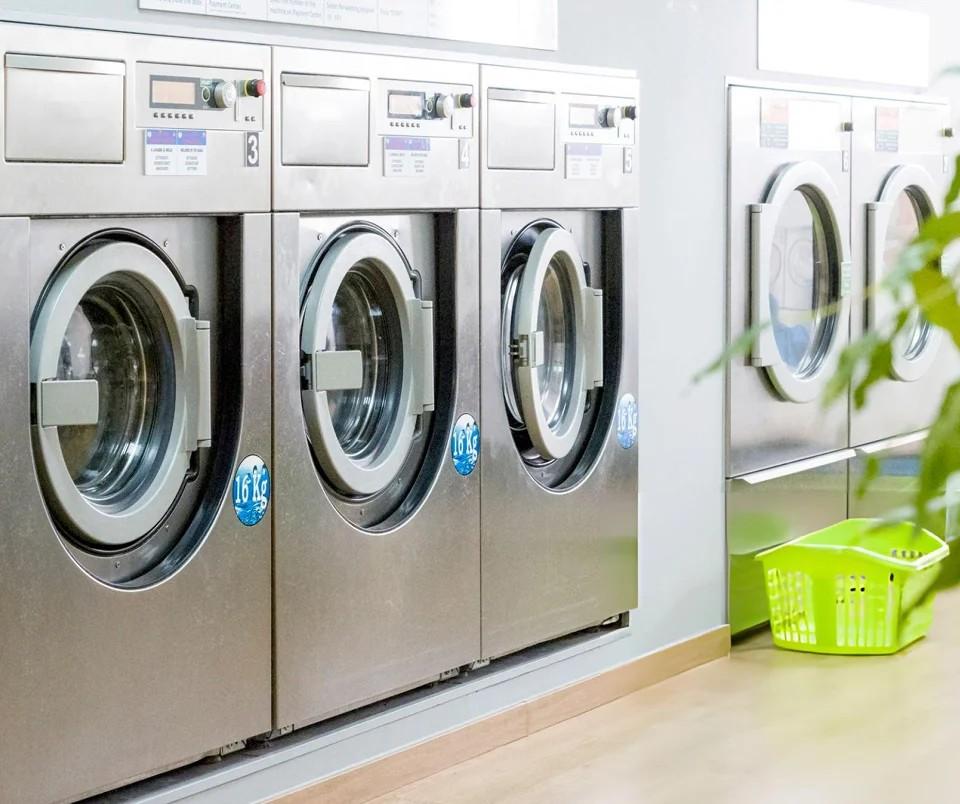
A commercial extractor is a high-speed laundry machine, usually integrated into a washer-extractor or installed as a separate hydro-extractor. After washing, the drum accelerates and centrifugal force pushes water through the textile load and perforated drum. The extracted water then leaves through the drain system, while the linen retains less moisture for drying or finishing.
The main benefits are shorter drying cycles, lower energy demand in the dryer and more consistent processing. However, high-speed rotation also places stress on bearings, suspension components, the frame, motor, belts, door lock and electrical controls. Regular commercial extractor maintenance keeps these systems aligned and reduces the risk of unsafe operation.
Commercial Extractor Maintenance Checklist
1. Inspect the drum, door and seals
Check the drum for sharp edges, corrosion, loose lifters or foreign objects. Examine the door glass, hinge, locking mechanism and rubber gasket for cracks, distortion or chemical damage. A damaged seal can cause leakage and may allow water to reach electrical components.
Operators should close the door without forcing it. If the lock does not engage smoothly, the machine should be isolated and inspected by a qualified technician rather than bypassed.
2. Check balance and suspension
Unbalanced loads are one of the clearest warning signs. Excessive movement, banging, unusual vibration or repeated spin interruptions may indicate poor load distribution, worn suspension springs, damaged dampers, loose mounting bolts or an unstable foundation.
Use the correct load size and distribute textiles evenly. Do not mix items with very different weights unless the manufacturer’s operating guidance permits it. Continued vibration can damage bearings, frames, pipework and nearby equipment.
3. Examine bearings, shaft and drive system
Listen for rumbling, grinding or cyclical noise during extraction. These symptoms can point to bearing wear. Inspect belts for cracking, glazing, slackness or contamination, and check pulleys for alignment. Direct-drive models have different service requirements, but they still need inspection of the motor, shaft and bearing arrangement.
Bearing replacement is not a suitable routine operator task. Maintenance staff should record the symptom, stop the machine if the noise is severe and arrange technical evaluation.
4. Test drainage and water removal
A slow drain can leave excess moisture in the load and increase dryer time. Check the drain valve, hose, filter, pump where fitted and outlet for blockages. Ensure the drain route is correctly supported and does not create back pressure.
Soap residue, lint, buttons and textile fibres can restrict drainage. A planned cleaning schedule is especially important in busy Indian laundry rooms handling towels, bedding, uniforms and heavily soiled workwear.
5. Review electrical and control components
Inspect cables, plugs, isolators, emergency-stop functions and control panels for heat marks, moisture, loose connections or error codes. Keep panels dry and closed. Do not open electrical enclosures unless the person is trained and authorised to do so.
A maintenance log should record the date, machine identification, operating hours if available, fault codes, action taken and parts replaced. This information helps distinguish a recurring fault from an isolated incident.
How Dry Cleaning Machines Work
The question “How does a commercial dry cleaning machine work and what chemicals are used” has two parts; understanding it helps managers separate solvent-cleaning requirements from commercial extractor maintenance priorities. A dry cleaning machine cleans garments in a liquid solvent rather than water. The machine normally includes a cleaning drum, solvent tank, pump, filter, distillation or recovery system, drying circuit and control system.
A typical cycle begins when garments are loaded and the selected solvent is circulated through the drum. The solvent dissolves or suspends oils and some soils. The liquid then passes through filters or other purification equipment before being recovered. During drying, warm air removes remaining solvent vapour from the garments. The vapour is condensed or recovered so it can be reused or managed by the machine’s environmental control system.
Modern systems vary considerably, so water-extraction maintenance principles should not be applied blindly to solvent equipment. Some use closed-loop designs that recover solvent within the machine, while others use different solvent families and operating temperatures. The exact cycle depends on garment labels, solvent compatibility, machine design and the chemical supplier’s instructions.
What Chemicals Are Used in Dry Cleaning?
The main cleaning fluid may be a petroleum-based hydrocarbon solvent, a silicone-based solvent, a glycol-ether solvent or another approved professional dry-cleaning fluid. Perchloroethylene, often called PERC, has historically been used in the industry, but its suitability depends on local requirements, equipment design, workplace controls and the operator’s risk assessment. It should never be substituted casually or used in a machine not designed for it.
Dry-cleaning operations may also use detergents, boosters, spotting agents and finishing products. These additives perform different functions:
-
Detergents improve soil suspension and reduce redeposition.
-
Spotting agents target specific stains before or during processing.
-
Boosters support the removal of oily, protein-based or particulate soils, depending on formulation.
-
Finishing agents can improve hand feel, shape or appearance when used correctly.
Chemical selection should follow the machine manufacturer’s specifications, garment-care requirements and the chemical supplier’s safety data sheet. Mixing products without technical guidance can create compatibility, fire, health or equipment risks. Good ventilation, labelled containers, spill controls, personal protective equipment and staff training are essential.
Maintenance Differences: Wet Laundry and Dry Cleaning
Commercial extractor maintenance focuses on high-speed water removal, balance, drainage, bearings, suspension and electrical safety. Dry-cleaning machine maintenance adds solvent filtration, distillation, vapour recovery, seals, lint management, pumps and chemical containment.
Managers should not treat a dry-cleaning machine as a standard washer with a different liquid. Solvent vapours, flammability considerations, chemical exposure and recovery systems require specialised procedures. Supershine Laundry can help buyers and facility teams match equipment requirements to the intended textile mix, daily workload, available space, utilities and operator capability.
A Practical Service Plan for India
A useful maintenance plan has three levels.
Daily operator checks
-
Look for leaks, unusual noise, vibration and error messages.
-
Confirm the door lock and emergency stop operate correctly.
-
Remove lint and visible debris from accessible areas.
-
Check that the load is distributed correctly.
Weekly or scheduled checks
-
Clean filters and inspect drains.
-
Examine seals, hoses, belts and fasteners.
-
Review chemical dosing or solvent handling records where applicable.
-
Check the area around the machine for moisture, obstruction and ventilation problems.
Periodic technician service
-
Inspect bearings, suspension, motor, drive components and electrical connections.
-
Verify safety interlocks, vibration controls and operating parameters.
-
Replace worn seals, belts, dampers or other parts according to condition and manufacturer guidance.
-
Review recurring faults and recommend corrective action.
The interval should be based on machine type, load volume, soil level, operating shifts and manufacturer instructions. A hospital laundry may need a different service frequency from a small institutional laundry or garment unit. Supershine Laundry can support a documented approach that links preventive maintenance to production needs rather than relying only on breakdown calls.
Choosing a Service and Equipment Partner
Before purchasing or servicing equipment, facility managers should assess:
-
Availability of trained technicians and genuine, compatible spare parts.
-
Clear documentation for installation, operation, safety and maintenance.
-
Suitability for the site’s electrical supply, drainage, water quality, ventilation and floor conditions.
-
Training for operators, supervisors and maintenance personnel.
-
Response procedures for leaks, vibration, chemical exposure and electrical faults.
-
Total operating requirements, including utilities, consumables, labour and planned downtime.
Supershine Laundry works with the practical needs of commercial and industrial laundry users, including hotels, hospitals, colleges, universities, factories and garment-processing facilities. The right solution is not simply the largest machine; it is equipment that can be operated safely, maintained consistently and integrated into the complete laundry workflow.
Common Warning Signs Not to Ignore
Stop and investigate when a machine shows persistent vibration, leaking water or solvent, burning odour, repeated overload trips, abnormal bearing noise, incomplete drainage, damaged door components or unexplained changes in extraction performance. Continuing to operate through these signs can increase damage and expose staff to avoidable hazards.
A qualified technician should handle faults involving electrical panels, high-speed rotating parts, solvent systems or safety interlocks. Operators should follow lockout and isolation procedures defined for the site.
Conclusion
Effective commercial extractor maintenance combines daily observation, scheduled cleaning, technical inspection and accurate record-keeping. It protects textile quality, supports predictable throughput and helps identify faults before they become expensive interruptions. Dry-cleaning equipment requires additional attention to solvent compatibility, filtration, vapour recovery and chemical safety. For Indian businesses investing in commercial or industrial laundry equipment, Supershine Laundry offers a practical starting point: define the application, select compatible technology, train operators and maintain the machine according to documented requirements.
FAQs
1. How often should a commercial extractor be serviced?
Service frequency depends on machine design, workload, number of shifts, textile type and manufacturer guidance. Operators should perform basic checks daily, while qualified technicians should inspect drive, bearing, suspension, electrical and safety systems at planned intervals.
2. Why does a commercial extractor vibrate during the spin cycle?
The common causes are an uneven load, unsuitable load size, worn dampers or springs, loose mounting hardware, bearing wear or an unsuitable foundation. Repeated vibration should be investigated rather than corrected by simply reducing the spin speed.
3. How does a commercial dry cleaning machine work and what chemicals are used?
A commercial dry-cleaning machine circulates a compatible solvent through garments, filters or purifies it, then recovers solvent vapour during drying. Common professional fluids include hydrocarbon, silicone-based and glycol-ether solvents; the correct choice depends on machine design, garment care and safety controls.
4. Can any solvent be used in a commercial dry-cleaning machine?
No. The solvent must be approved for the specific machine, compatible with its seals and recovery system, and suitable for the garments and site safety controls. Always follow the equipment manufacturer’s instructions and the chemical supplier’s safety data sheet.
5. What should a laundry maintenance log include?
Record the machine identity, date, operating hours where available, symptoms, error codes, inspection findings, parts used, technician actions and follow-up date. Consistent records help identify recurring faults and support planned replacement decisions.

 English
 Arabic
 French
 Spanish
 Portuguese
 Deutsch
 Turkish
 Dutch
Dutch
 Italiano
 Russian
 Romaian
 Greek
Greek
