


Painting Tools: How to Make Your Equipment Last From One Project to the Next
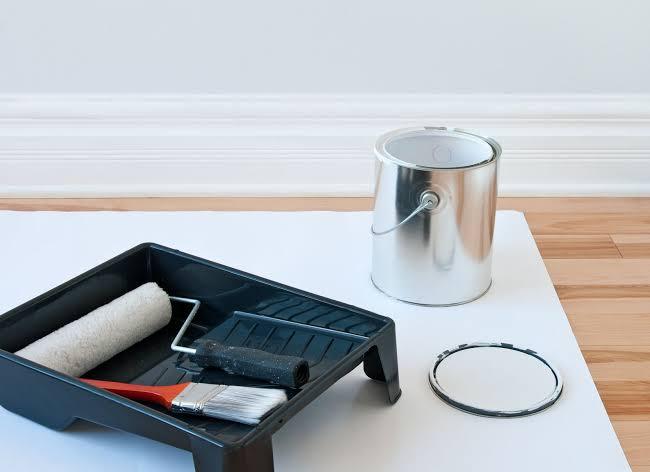
A good painting project does not always end when the last coat goes on the wall. There is one more step that can make a noticeable difference the next time you paint: taking care of the tools you just used.
Brushes, roller covers, frames, trays, extension poles, and other Painting Tools can often be used for more than one project when they are cleaned and stored correctly. On the other hand, allowing paint to dry on a roller frame or leaving a brush packed with hardened paint can turn a useful tool into something that needs to be replaced.
Taking a few minutes after each project can protect your investment and make the next painting job easier.
Cleaning Should Start Before the Paint Dries
The easiest time to clean most painting equipment is immediately after use.
Once paint begins drying inside a brush, roller cover, frame, or other applicator, removing it becomes considerably more difficult. Benjamin Moore recommends cleaning brushes and rollers promptly after painting and notes that the appropriate cleanup method depends on the type of paint used.
For water-based paints, warm water and appropriate soap are commonly used for cleaning. Oil-based products may require a suitable solvent according to the product's directions.
The important point is not to treat every coating the same way. Check the paint's label or technical data sheet for the recommended cleanup method before reaching for a cleaner or solvent.
Roller Covers Need More Attention Than They Get
Roller covers can hold a surprising amount of paint after a project.
Instead of immediately throwing one away, consider whether it can be cleaned and reused. Start by removing as much excess paint as possible. Benjamin Moore recommends scraping excess paint from the roller before washing it and allowing the cleaned cover to dry properly afterward.
Storage also matters.
A wet roller that is left sitting on its side can lose its shape. Once dry, that damaged shape can affect how the roller applies paint during the next project.
A clean roller cover should be allowed to dry completely before long-term storage.
Don't Forget the Roller Frame
The roller cover gets most of the attention, but the frame deserves care too.
Paint can collect around the cage, handle, and moving parts. If that paint hardens, the roller may stop turning smoothly. That can lead to unnecessary friction and an uneven application.
After removing the roller cover, clean the frame thoroughly and check that it moves freely. If paint has started building up around the cage, remove it before storing the tool.
A roller frame that is kept clean can remain useful through many projects, making it one of those simple pieces of equipment worth taking care of.
Brushes Should Be Stored With Their Shape Intact
A quality brush can become frustrating to use when its bristles are bent, hardened, or spread apart.
After cleaning, remove excess moisture and return the bristles to their original shape. Avoid tossing a clean brush into a crowded toolbox where the bristles can become crushed.
If a brush comes with protective packaging designed to maintain its shape, keep it. Otherwise, store it in a way that prevents the bristles from being compressed.
This matters particularly for angled brushes used for cutting in, where a clean, controlled edge depends partly on the condition of the bristles.
Short Breaks Don't Always Mean Full Cleanup
There is also a difference between finishing for the day and taking a short break during the same project.
If you are stopping temporarily but plan to continue soon, you may not need to completely clean every applicator immediately. Benjamin Moore recommends wrapping brushes or roller covers that are still loaded with paint in plastic wrap for short periods; its guidance limits this approach to a couple of days, with different precautions for longer pauses.
The key is knowing that temporary storage is not the same as long-term storage.
For a longer break, proper cleaning is the safer approach.
Extension Poles Should Be Kept Clean Too
Extension poles are useful for reaching higher walls and ceilings without constantly repositioning a ladder. Color Haus carries Wooster Sherlock extension poles, including models designed for quick tool changes.
After using an extension pole, wipe away paint from the pole, grip, threads, and connection points.
Paint buildup around the connection can make it harder to attach or remove tools later. If the pole has adjustable sections, keep those areas free from dried coating so the mechanism continues to work properly.
It is a small maintenance step, but one that can save frustration on the next project.
Spray Equipment Requires Its Own Routine
Sprayers and spray accessories cannot be treated exactly like a brush or roller.
Color Haus carries Graco spray accessories such as the FFLP RAC X SwitchTip, which is designed for airless spray applications.
With spray equipment, leftover material can become a much bigger problem because paint can dry inside passages, tips, or other components.
Always follow the manufacturer's cleaning instructions for the specific equipment and coating. Some products may require water-based cleaning, while others may call for a particular solvent or flushing procedure.
Proper cleanup isn't just about appearance. It helps keep the equipment ready for the next application.
Know When a Tool Has Reached the End
Taking care of your equipment does not mean keeping every tool forever.
Some tools eventually wear out.
A roller cover may become flattened or shed excessively. A brush may lose its original shape or become difficult to control. A spray tip can wear and affect the spray pattern. A damaged frame or extension component may no longer operate properly.
At that point, replacement can make more sense than trying to force an old tool through another project.
The goal is not simply to reuse everything. It is to get useful service from equipment while it is still capable of producing good results.
Keep Painting Tools Together
One of the easiest ways to lose track of painting equipment is to store everything in different places.
Create a dedicated area for brushes, roller covers, frames, trays, extension equipment, and smaller accessories. Keeping related items together makes it easier to see what you already own before starting another project.
It also reduces the chance of buying another tool simply because the existing one was forgotten in a garage, basement, or storage cabinet.
For frequently used equipment, a basic labeled storage system can be surprisingly helpful.
A Few Minutes of Care Can Save a Future Trip
Painting equipment does not have to be expensive to be valuable. A basic brush or roller frame can become an important part of your setup once you know how it performs and take care of it properly.
The same applies to larger or specialized Painting Tools. Cleaning them according to the coating manufacturer's instructions, storing them properly, checking for wear, and replacing damaged components when necessary can make the equipment more dependable from one project to the next.
Instead of treating cleanup as the final chore of painting, think of it as part of preparing for your next project. When your Painting Tools are clean, organized, and ready to use, the next coat of paint can start with one less problem to solve.

 English
 Arabic
 French
 Spanish
 Portuguese
 Deutsch
 Turkish
 Italiano
 Russian
 Romaian
 Portuguese (Brazil)
 Greek
Greek
