


How to Estimate the Right Amount for Your Painting Project
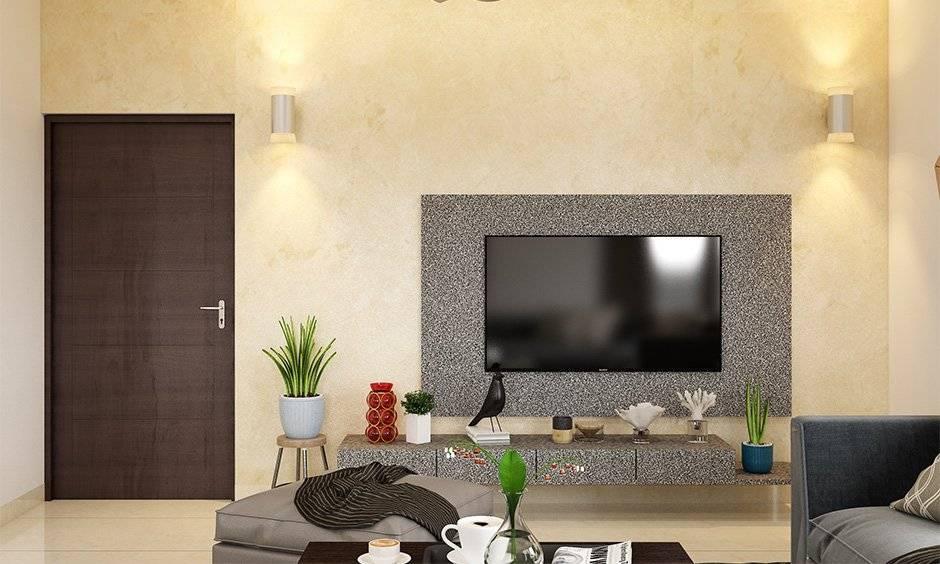
Buying interior paint sounds simple until you are standing in the store trying to decide whether one gallon will be enough or whether you should take home another one. Buy too little and the project can come to a stop halfway through. Buy far too much and you are left storing cans of paint that may never be used.
The amount of Interior Paint you need depends on more than the size of the room. Wall texture, surface condition, number of coats, doors and windows, and the coverage listed for the particular product can all affect the final quantity.
A little planning before purchasing can make the process much easier.
Start With the Surface Area
The first step is to estimate how much wall surface you are actually painting.
Measure the length of each wall and multiply it by the wall height. Add the areas together to get the approximate wall surface. Large doors and windows can then be subtracted if they will not be painted.
For example, a room with four walls does not necessarily require four full-wall calculations. A large window, double door, built-in cabinet, or other unpainted section reduces the amount of coating required.
You do not need to make the calculation unnecessarily complicated. The goal is to get a reasonable estimate that can then be compared with the coverage information for the product you plan to use.
Check the Product's Coverage
Different paints can have different coverage rates, so it is better to use the manufacturer's information rather than assuming every gallon covers exactly the same area.
For example, Benjamin Moore lists many interior products at roughly 400–450 square feet per gallon, although actual coverage depends on the product and surface.
That distinction matters.
A smooth, properly prepared wall may use paint differently from a porous or textured surface. The same gallon can therefore produce different results depending on what is underneath it.
Before buying, check the product's technical information and use that figure as your starting point.
Don't Forget the Number of Coats
One of the easiest ways to underestimate paint is to calculate the wall area once and assume that is all the paint required.
Many projects involve more than one coat. Benjamin Moore notes that while some paint-and-primer products may achieve one-coat coverage in certain situations, two coats are recommended for full color development and performance.
The number of coats can depend on the existing surface, color change, product, and desired finish.
A repaint involving a similar existing color may be very different from covering a strong dark color with a much lighter one. Bare or highly porous surfaces may also require additional preparation or primer.
Plan the quantity around the actual coating system rather than assuming one coat will always be enough.
Surface Condition Can Change the Estimate
Two rooms with identical dimensions may not use the same amount of paint.
A smooth previously painted wall can behave differently from new drywall, heavily textured walls, masonry, or another porous substrate. Benjamin Moore specifically notes that new drywall is very porous and should be primed before painting.
Surface preparation can therefore affect both the appearance and the amount of finish paint required.
If the wall has significant repairs, exposed areas, stains, or uneven porosity, deal with those conditions before relying on a simple square-footage calculation.
Think About Trim Separately
Walls are not the only surfaces that may need paint.
If you are repainting baseboards, doors, window trim, cabinets, or other architectural details, estimate those surfaces separately. These areas may use a different interior coating than the main walls.
Benjamin Moore, for example, lists products such as ADVANCE for interior doors, trim, and cabinets, with different application and recoat characteristics from typical wall paint.
Keeping wall paint and trim coatings separate also makes it easier to calculate how much of each product you actually need.
Buying Everything at Once Can Help With Color Consistency
If the project is large, purchasing the required quantity at the beginning can make sense.
This is particularly useful when several walls or rooms will use the same color. Running out halfway through a project and returning later for more paint can introduce unnecessary uncertainty, especially if the exact product, base, or custom color needs to be reproduced.
Conwell Hardware offers custom color mixing and matching for Benjamin Moore paints as well as custom colors from other brands.
Even with professional color matching available, having a clear record of the product, color, base, and sheen used for the project is a smart habit.
Don't Automatically Buy the Largest Quantity
There is also a temptation to buy extra paint "just in case."
Some reserve material can be useful, particularly when you expect future touch-ups. But excessive leftover paint can become a storage problem.
Instead, estimate your needs carefully and consider keeping a reasonable amount for future repairs rather than buying several unnecessary gallons.
The manufacturer's coverage information can help make this decision more accurately.
Drying Conditions Matter During the Project
Paint quantity is not the only planning consideration. Timing matters too.
Benjamin Moore explains that drying and recoat times vary by product and can also be affected by the substrate and environmental conditions. Higher humidity and other conditions can extend drying times.
That means a project should not be planned around a generic statement such as "the paint will be dry in an hour." Always check the specific product information before applying another coat.
Giving the coating enough time to dry can help avoid problems caused by rushing the next stage.
Keep a Record for Future Projects
Once the project is complete, write down what you used.
Record the paint brand, product, color name or code, sheen, number of coats, and approximate amount purchased. If you have leftover paint, label the container clearly.
This information can be extremely useful later.
If a wall needs to be repaired or another room needs to match an existing color, you will not have to start the entire selection process again.
A Better Paint Estimate Starts Before the Shopping Trip
Estimating Interior Paint is really a combination of measurements, product information, surface conditions, and project planning. There is no single gallon-per-room rule that works for every home.
Measure the areas you intend to paint, check the manufacturer's coverage, account for the number of coats, consider the condition of the surfaces, and separate wall requirements from trim or specialty applications.
Taking those few steps before buying can help you avoid both extremes: standing in the middle of a project with an empty paint can or ending up with far more Interior Paint than your home actually needs.

 English
 Arabic
 French
 Spanish
 Portuguese
 Deutsch
 Turkish
 Dutch
Dutch
 Russian
 Romaian
 Portuguese (Brazil)
 Greek
Greek
