


How to Get More Value From Every Building Material You Buy
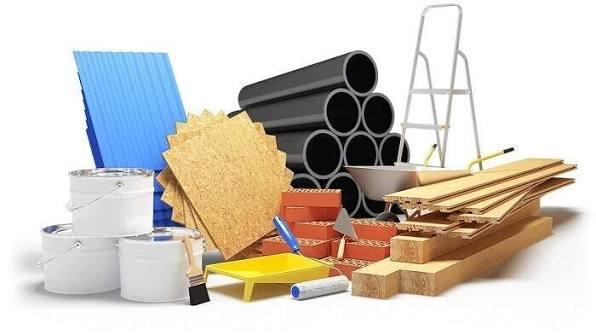
building project rarely uses every piece of material exactly as planned. A few extra boards may be left over, fasteners can remain in unopened boxes, and small offcuts can quickly collect around the work area. Some waste is unavoidable, but a surprising amount comes from purchasing more than necessary, cutting materials inefficiently, or overlooking ways to reuse what is already available.
That makes the way you purchase and use Building Supplies just as important as the materials themselves. A little attention to quantities, cutting, reuse, and purchasing can help keep a project moving while reducing unnecessary waste.
Buy for the Actual Job
One of the simplest ways to reduce waste is to avoid buying materials based on guesswork.
Before purchasing, look at the dimensions of the areas being built or repaired and determine how the materials will actually be used. This does not mean trying to calculate every item down to the last screw, but it does mean having a realistic idea of the quantities required.
Buying too little can create delays. Buying substantially more than necessary can leave you with materials that may never be used.
EPA guidance identifies purchasing optimization as one way construction projects can reduce surplus materials and the amount of material that eventually needs to be managed as waste.
Think About How Materials Will Be Cut
Material waste is not always caused by buying too much. Sometimes the problem happens during installation.
A board, sheet, panel, or other material may need to be cut into several pieces. If those cuts are made without considering the overall layout, usable material can quickly become scrap.
Before cutting, think through the sequence.
Can several required pieces come from one board? Can smaller pieces be used in another part of the project? Is there a better cutting arrangement that leaves a useful offcut rather than several unusable pieces?
Taking a few minutes to think through the cuts can make a noticeable difference on projects involving repeated dimensions.
Don't Treat Every Offcut as Trash
Not every leftover piece needs to go directly into the waste pile.
Small pieces of suitable material can sometimes be useful for blocking, temporary supports, test cuts, repairs, jigs, or future small projects, depending on the material and the requirements of the job.
The important distinction is between useful leftovers and clutter.
Keeping every tiny scrap can make a work area harder to manage. Instead, set aside pieces that have a realistic future use and discard material that is damaged, contaminated, unsafe, or too small to be useful.
Consider Reuse Before Replacement
Renovation projects can create another opportunity to reduce waste.
Before removing an existing component simply because the project is changing, consider whether part of it can remain in service. In some situations, repairing or adapting an existing structure may require fewer new materials than completely replacing it.
EPA recommends considering preservation, source reduction, salvage, reuse, and recycling as part of construction and demolition material management.
This does not mean every existing material should be reused. Structural condition, building codes, safety, moisture damage, pests, and other factors need to be considered. But it is worth asking whether something genuinely needs to be removed before purchasing its replacement.
Choose Standard Sizes When They Make Sense
Standard-sized materials can sometimes make a project easier to build and reduce unnecessary cutting.
When the design allows it, working around commonly available dimensions can reduce the number of unusual cuts required. It can also make future repairs easier because replacement materials may be easier to source.
This is particularly useful for straightforward repair and improvement projects where the design can be adjusted without affecting the purpose of the structure.
The goal isn't to force every project into a standard format. Rather, it is to recognize when a simple dimensional change could save material without compromising the finished result.
Don't Let Packaging Become Part of the Project
Building materials often arrive with packaging that adds to the amount of material needing disposal.
When comparing purchases, consider not only the product itself but also how much packaging accompanies it. Consolidating purchases where practical can sometimes reduce the amount of packaging entering the work area.
EPA notes that construction and demolition waste includes materials such as wood, concrete, drywall, metals, brick, glass, and plastics, making waste reduction a meaningful part of construction material management.
Keeping packaging under control also makes the job site easier to navigate.
Separate Reusable Materials From Waste
A mixed pile of new materials, usable leftovers, damaged pieces, and actual waste becomes difficult to manage.
Instead, separate materials as the project progresses.
A clean, usable piece should not be buried under debris. Similarly, damaged material should not be mistaken for something that can still be installed.
A simple separation system can make it easier to identify what remains available before buying additional Building Supplies.
It also makes cleanup faster when the project reaches its final stages.
Keep a Small Record of What Was Left Over
After completing a project, take a quick look at the remaining materials.
You may discover that you regularly have certain fasteners left over, while another material consistently runs short. That information can improve your estimates for future projects.
For recurring maintenance or renovation work, these observations become particularly useful. Instead of starting every project from zero, you gradually build a better understanding of how much material your typical jobs actually consume.
Don't Let Saving Material Compromise the Job
Reducing waste is useful, but it should never mean using unsuitable material simply because it is available.
A damaged board, compromised fastener, deteriorated sheet, or material that does not meet the requirements of the application should not be installed just to avoid throwing it away.
The right approach is to reduce unnecessary waste without reducing the quality or safety of the work.
Material reuse works best when the material is genuinely suitable for its new purpose.
Make Waste Reduction Part of the Buying Process
The most effective time to think about waste is before the materials arrive.
Look at the measurements. Consider the cuts. Review what you already have. Think about whether an existing component can remain. Then purchase the quantities and types of materials that fit the actual job.
This approach can make a difference even on relatively small home repairs.
You don't need a complicated construction-management system to use materials more efficiently. A measuring tape, a basic material list, a little attention to cutting patterns, and a habit of checking existing supplies can prevent many unnecessary purchases.
The result is a project that makes better use of its materials from beginning to end.
Build Smarter, Not Just With More Materials
Good construction is not simply about having more Building Supplies available. It is about using the right materials thoughtfully and avoiding waste wherever practical.
By purchasing according to real requirements, planning cuts, separating reusable leftovers, considering existing materials, and reviewing what remains after a project, homeowners and contractors can get more value from every purchase.
The best material is often the one that gets used effectively rather than the one that spends months sitting unused in a corner.

 English
 Arabic
 Spanish
 Portuguese
 Deutsch
 Turkish
 Dutch
Dutch
 Italiano
 Russian
 Romaian
 Portuguese (Brazil)
 Greek
Greek
