


How Biomechanics Treatment Helps Foot Pain in Edinburgh
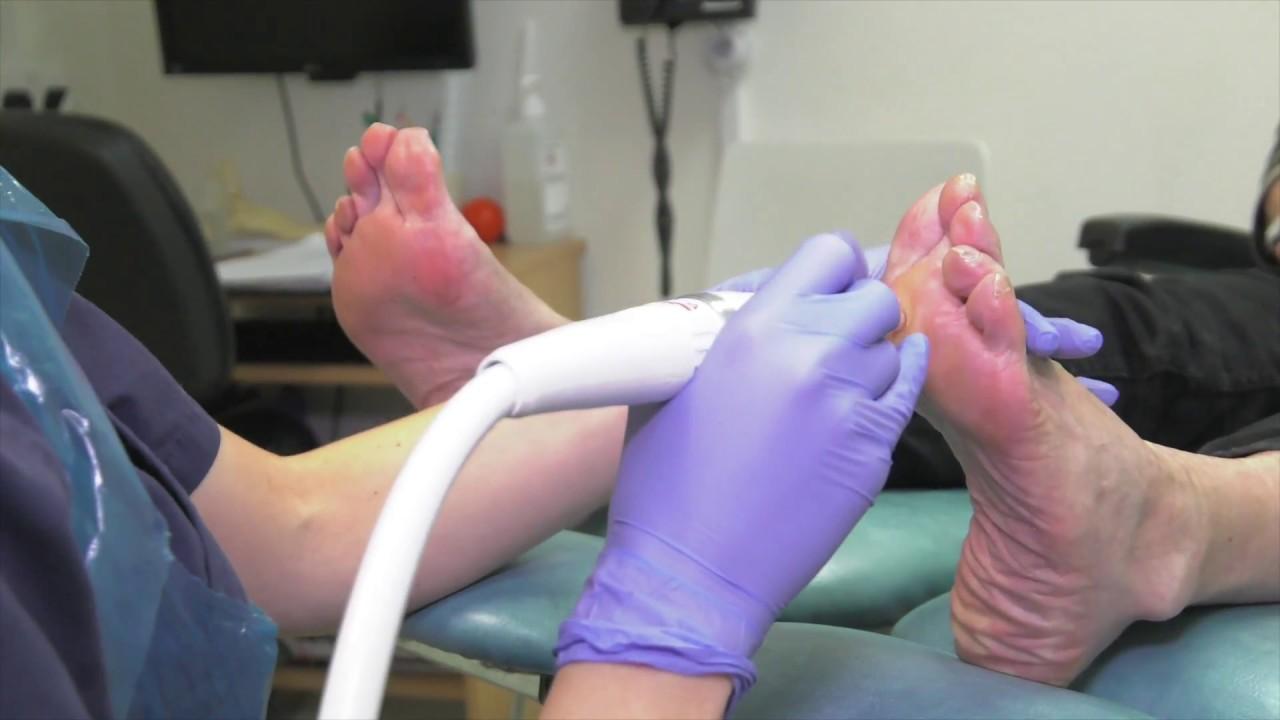
When Foot Pain May Be Linked to the Way You Move
Foot pain can develop for many reasons, but sometimes the way your feet and lower limbs move plays an important role. Every step involves a complex interaction between the feet, ankles, knees, hips, and the ground. Changes in movement, muscle strength, joint mobility, footwear, or the way pressure is distributed can place additional stress on certain areas.
Biomechanics treatment looks at these movement patterns to understand how they may relate to symptoms. The Royal College of Podiatry describes gait and human-movement biomechanics as an important part of podiatric assessment for musculoskeletal foot conditions.
For people experiencing persistent or activity-related foot pain, seeing a Podiatrist Edinburgh professional can provide an opportunity to assess movement rather than focusing only on the painful area.
What Does a Biomechanical Assessment Involve?
A biomechanical assessment is not simply about watching someone walk. It can involve looking at several aspects of lower-limb function and considering how they work together.
Depending on the individual's symptoms, an assessment may consider:
- Foot posture and alignment
- Walking and running patterns
- Joint movement
- Muscle strength and flexibility
- Balance and stability
- Pressure distribution
- Lower-limb movement
- Footwear and activity levels
- The relationship between movement and pain
The assessment helps create a clearer picture of what may be contributing to discomfort.
A Podiatrist Edinburgh practitioner may then use these findings to develop an individual management plan rather than automatically recommending the same treatment for every patient.
Why Movement Patterns Can Affect Foot Pain
The feet absorb and transfer forces every time you walk, run, jump, or stand. If a particular area is repeatedly exposed to excessive pressure or loading, symptoms may develop.
This does not necessarily mean that a specific foot position is “wrong.” Human movement varies considerably, and a biomechanical feature may be completely comfortable for one person but contribute to symptoms in another.
For example, the Royal College of Podiatry notes that overuse injuries can be associated with the biomechanics of walking, weakness, increased strain, or changes in activity.
This is why Podiatrist Edinburgh assessments should consider your symptoms, lifestyle, footwear, activity level, and movement together.
Common Foot Problems That May Benefit From Biomechanical Assessment
Biomechanical assessment may form part of the management of several foot and lower-limb problems.
These can include:
- Plantar heel pain
- Flat-foot-related discomfort
- Big toe joint pain
- Certain sports-related foot problems
- Overuse injuries
- Joint-related foot pain
- Walking-related discomfort
- Pressure-related symptoms
For example, people with plantar heel pain may benefit from appropriate footwear and insoles as part of a broader management approach.
Similarly, people with certain foot joint conditions may benefit from footwear modifications, padding, strapping, or orthotic approaches designed around their individual needs.
How Orthotics Can Support Foot Function
Orthotics, sometimes called foot orthoses, are inserts placed inside footwear. They can be designed or selected to provide support, redistribute pressure, or influence aspects of foot and lower-limb function.
However, an orthotic is not automatically suitable for every person with foot pain. The Royal College of Podiatry advises that individual assessment and gait analysis should be used when determining an appropriate orthosis prescription.
A Podiatrist Edinburgh specialist may therefore consider whether an orthotic is appropriate, what type could be suitable, and how it should fit into the wider treatment plan.
This approach is particularly useful because an unsuitable insole may fail to address the problem or may aggravate symptoms.
Footwear Is Part of the Treatment Plan
Shoes influence how your feet interact with the ground. Sole stiffness, cushioning, fit, heel height, width, and overall support can all affect comfort during walking and exercise.
For some conditions, changing footwear may reduce irritation or limit painful movement. For example, the Royal College of Podiatry recommends considering appropriate footwear as part of management for certain foot and joint conditions.
During a Podiatrist Edinburgh appointment, your everyday shoes may therefore be considered alongside your movement and symptoms.
This can be particularly helpful for people who spend long periods standing, walk extensively for work, run regularly, or participate in sports.
Strength and Movement Still Matter
Biomechanics treatment does not necessarily mean relying on an insole or changing your shoes. Exercise and rehabilitation can also be important.
Weakness, reduced mobility, poor balance, or limited control can affect how the foot and lower limb handle everyday loads. Depending on the assessment, a treatment programme may therefore include exercises designed to improve strength, mobility, balance, or movement control.
The Royal College of Podiatry identifies exercise, gait analysis, rehabilitation, footwear, and orthotic interventions among approaches used in lower-limb musculoskeletal care.
The goal is to help the foot function effectively while gradually improving your ability to manage everyday activities.
Biomechanics for Runners and Active People
Running and sports place greater repetitive demands on the feet and lower limbs. A sudden increase in training, unsuitable footwear, reduced strength, or changes in running habits can sometimes contribute to overuse symptoms.
A biomechanical assessment can help identify relevant movement and loading patterns while considering the specific activity that causes discomfort.
For an active person, a Podiatrist Edinburgh assessment may therefore look beyond normal walking and consider running, training, work demands, footwear, and previous injuries.
The resulting plan can be adjusted around the person's activity rather than requiring unnecessary long-term restriction.
What Happens After the Assessment?
Biomechanical treatment should be viewed as an ongoing process rather than a single appointment that automatically solves foot pain.
Following assessment, management may involve one or more approaches, such as:
- Footwear recommendations
- Activity modification
- Strengthening or mobility exercises
- Pressure-relieving strategies
- Orthotic assessment
- Gait or movement advice
- Follow-up monitoring
The appropriate combination depends on the cause and presentation of the individual's symptoms.
Reviewing progress is also useful because symptoms and movement can change as strength, activity levels, and tolerance improve.
When Should You Arrange a Professional Foot Assessment?
Consider professional assessment if foot pain:
- Continues for several weeks
- Keeps returning after activity
- Limits walking or exercise
- Causes changes to the way you walk
- Is associated with swelling or stiffness
- Makes footwear difficult to tolerate
- Affects your work or everyday activities
The Royal College of Podiatry advises people with persistent foot pain that is affecting activity to arrange a podiatry appointment and notes that a podiatrist can assess symptoms, footwear, lifestyle, and sporting activities.
A Podiatrist Edinburgh professional can determine whether biomechanics are relevant to your symptoms and whether further investigation or another type of healthcare assessment is appropriate.
Final Thoughts
Biomechanics treatment can provide a more detailed way of understanding foot pain by considering how the feet and lower limbs move, absorb load, and respond to everyday activities. It can form part of a broader approach that includes footwear advice, exercise, rehabilitation, pressure management, and orthotic interventions where appropriate.
Choosing a Podiatrist Edinburgh service for an individual assessment can help identify factors that may be contributing to your symptoms and create a management plan around your specific needs. Rather than assuming that every foot problem requires the same solution, professional biomechanical assessment focuses on your movement, activities, symptoms, and functional goals.
Early assessment can also help you make informed changes before persistent foot pain begins to interfere more seriously with work, exercise, walking, or everyday life.

 English
 Arabic
 French
 Spanish
 Portuguese
 Deutsch
 Turkish
 Dutch
Dutch
 Italiano
 Russian
 Portuguese (Brazil)
 Greek
Greek
