


Buying Bowling Equipment from Overseas: An Importer's Guide from ETERNITY for New and Used Bowling Alley Equipment
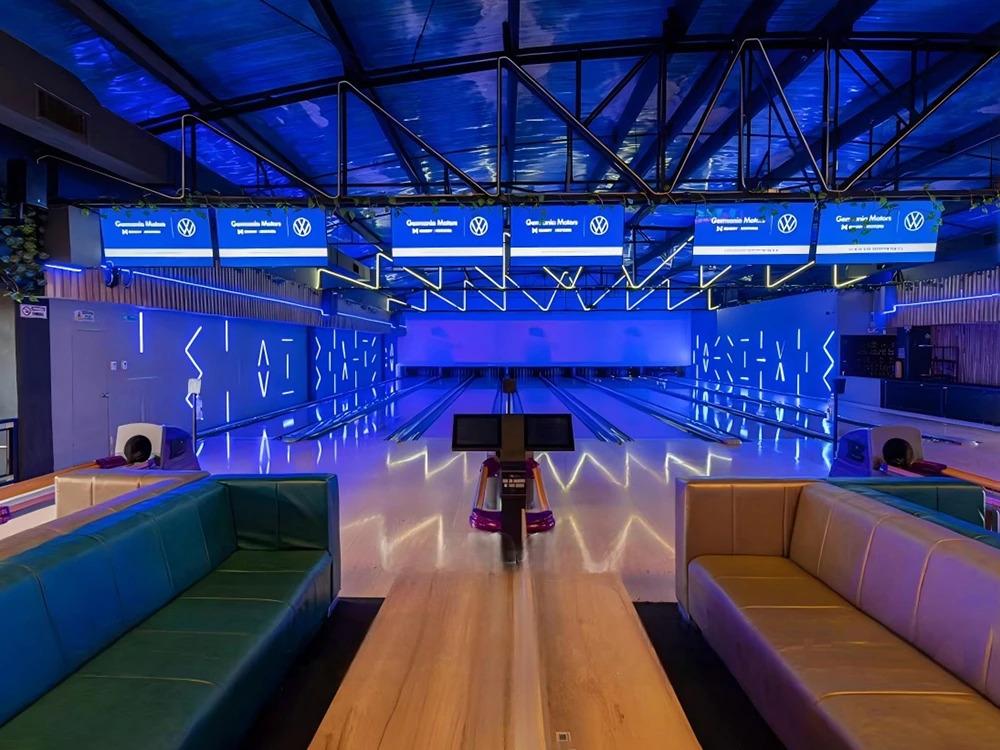
Many bowling projects around the world source equipment from international manufacturers. Buying overseas can offer better prices, wider product choices, and access to specialized expertise. However, importing heavy, technical equipment also involves logistics, customs, installation, and support considerations that buyers must plan for carefully. Understanding these factors helps investors avoid delays and unexpected costs, and ensures equipment arrives ready to perform.
An Experienced International Supplier
ETERNITY has completed projects for clients across Asia, Europe, the Americas, and the Middle East, supplying new systems as well as refurbished used bowling alley equipment. This international experience gives the company practical knowledge of shipping, documentation, and overseas installation. For buyers, working with a supplier familiar with cross-border projects reduces risk and helps the process run smoothly from order to opening day.
Clarifying the Project Scope
Before ordering, buyers should define the full scope of the project. This includes the number of lanes, type of pinsetters, scoring systems, supporting products, and any customization. Sharing floor plans and site details allows the supplier to recommend suitable equipment and confirm that everything will fit. A detailed quotation listing every component helps prevent misunderstandings and ensures nothing important is left out.
Electrical and Technical Compatibility
Countries use different electrical standards, so buyers must confirm that equipment matches local voltage and frequency requirements. Scoring systems and software should support the languages guests and staff will use. Certifications such as CE may be required or helpful depending on the market. Discussing these details early prevents costly modifications after equipment arrives.
Shipping and Logistics
Bowling equipment is heavy and bulky, usually shipped in containers. Buyers should understand shipping terms, who is responsible for each stage of transport, and how long delivery will take. Proper packing protects lanes, machines, and electronics during long journeys. Planning delivery around site readiness avoids storage problems and ensures installation can begin promptly when equipment arrives.
Customs and Documentation
Importing equipment requires accurate documentation, including invoices, packing lists, and certificates of origin where needed. Buyers should check local import duties, taxes, and regulations in advance. Working with an experienced customs broker can simplify clearance. Clear, complete documentation from the supplier helps avoid delays at ports and reduces the risk of unexpected charges.
Installation and Training
Professional installation is essential for performance and longevity. Buyers should confirm whether the supplier will send technicians to install equipment or provide remote guidance to local teams. Training for staff on operation and maintenance should be included. ETERNITY supports overseas clients with installation services and technical training, helping local teams operate and maintain equipment confidently.
After-Sales Support Across Borders
Long-term support matters even more when the supplier is in another country. Buyers should ask about spare parts availability, shipping times for parts, remote diagnostics, and response times for technical issues. Keeping a stock of commonly used spare parts on-site reduces downtime. With careful planning and a reliable international partner like ETERNITY, importing bowling equipment becomes a smooth path to a successful venue.

 English
 Arabic
 French
 Spanish
 Portuguese
 Deutsch
 Turkish
 Italiano
 Russian
 Romaian
 Portuguese (Brazil)
 Greek
Greek
