


Designing for Different Climates: Wenjin Fiberglass Helmet Manufacturer on Building Helmets for Every Region
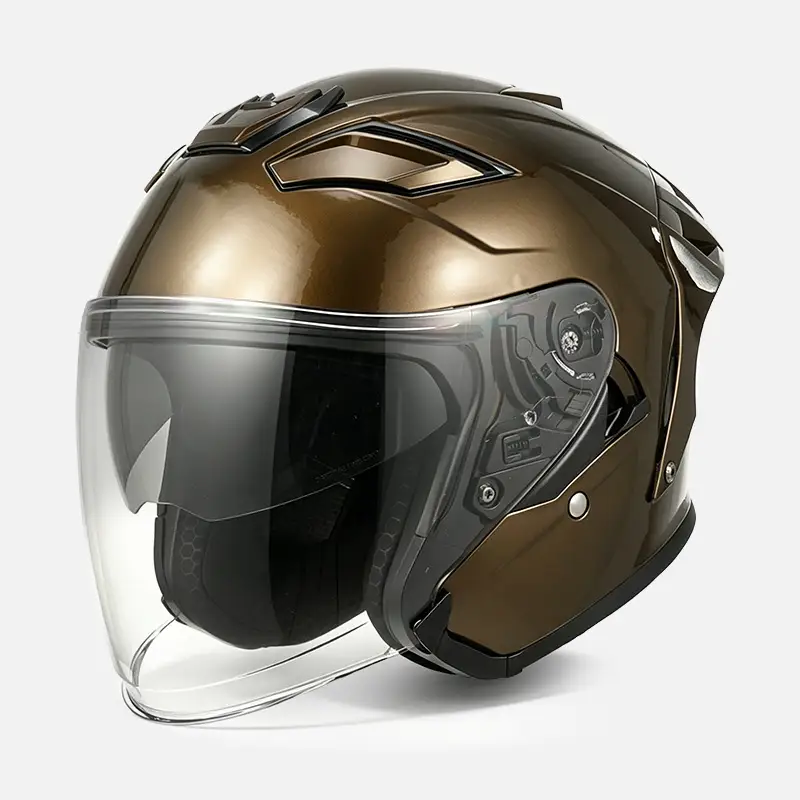
Riders around the world face very different conditions. Some ride under intense tropical sun, others through cold mountain air, and many deal with heavy rain for months each year. A helmet that feels perfect in one climate may be uncomfortable in another. For brands selling in multiple regions, understanding how climate affects helmet design helps them offer products that keep riders comfortable wherever they ride.
Why Climate Matters for Helmet Design
Temperature, humidity, rain, and sunlight all affect helmet comfort and performance. In hot climates, heat buildup leads to sweating and fatigue. In cold climates, drafts and fogging become problems. Rainy regions require good visor sealing and quick-drying materials. Designing helmets with local conditions in mind improves comfort, safety, and customer satisfaction, helping brands succeed in diverse markets.
Fiberglass as a Versatile Base
Fiberglass shells offer a versatile foundation for climate-specific designs. Working with an experienced fiberglass helmet manufacturer allows brands to adapt ventilation, liners, and visors to suit regional needs while keeping the benefits of composite construction. Fiberglass provides balanced weight and dependable protection, while its smooth surface supports durable finishes that withstand sun, rain, and temperature changes in every climate.
Designing for Hot and Humid Regions
In tropical and hot regions, ventilation and breathable materials are top priorities. Helmets need effective airflow and liners that wick sweat away from the skin. Open-face helmets like Wenjin's OF856 offer generous airflow, while full-face models can be fitted with breathable, moisture-wicking liners. Removable liners allow frequent washing, which is important in humid conditions where helmets are worn daily.
Designing for Cold Regions
Riders in cold climates need helmets that keep drafts out and warmth in. Full-face helmets such as the FF937 provide better coverage against cold wind. Snug-fitting liners and well-designed neck areas reduce cold air entering from below. Visors must seal properly to block icy wind. Brands serving colder markets often prefer thicker, plush liner fabrics for added warmth during winter riding.
Designing for Rainy Regions
In regions with frequent rain, visor sealing and water resistance become critical. A well-fitted visor helps keep rain out of the helmet, while quick-drying liner materials improve comfort after wet rides. Wenjin produces visors in-house through injection molding, allowing precise fitting to each shell. Durable multi-layer paint finishes from its dust-free workshop help protect helmets from constant exposure to moisture.
Sun and UV Protection for Finishes
Intense sunlight can fade paint and degrade finishes over time. Helmets used in sunny regions need durable coatings that resist UV damage. Wenjin's multi-layer coating technology helps protect colors and graphics from fading, keeping helmets looking fresh for longer. This durability is especially valuable in markets where riders spend long hours outdoors under strong sun throughout the year.
Building Region-Ready Helmets with Wenjin
Brands selling across multiple regions benefit from a manufacturer who understands climate needs. Wenjin offers flexible liner, visor, and ventilation options, durable finishes, and fiberglass expertise backed by more than 20 years of experience. Its helmets meet standards such as ECE R22.06, DOT, NBR, TISI, and SNI. With Wenjin, brands can deliver fiberglass helmets that keep riders comfortable in every climate.

 English
 Arabic
 French
 Spanish
 Portuguese
 Deutsch
 Turkish
 Italiano
 Russian
 Romaian
 Portuguese (Brazil)
 Greek
Greek
