


How Can a Radon Mitigation Specialist Near Me Help You
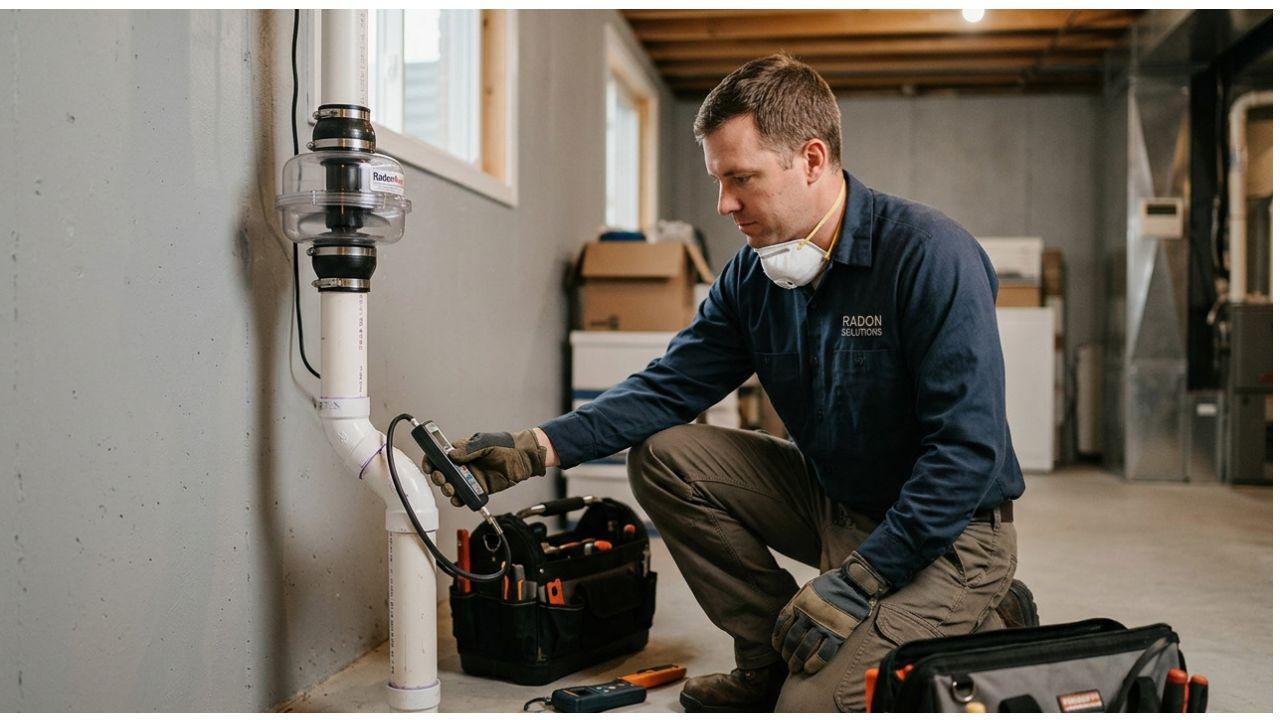
Radon is a naturally occurring radioactive gas that can enter homes through cracks, joints, drains, and other openings connected to the ground. Because it cannot be seen, smelled, or tasted, testing is the only reliable way to determine whether elevated radon is present in a home. Health Canada recommends taking action when long-term radon levels are above 200 Bq/m³.
If your test shows elevated levels, searching for a radon mitigation specialist near me can help you understand your options and determine how to reduce radon in your home.
What Does a Radon Mitigation Specialist Do
A radon mitigation specialist evaluates how radon is entering and accumulating inside a property. Every home is different, so the appropriate solution depends on factors such as the foundation design, basement, crawl space, soil conditions, and existing ventilation.
A qualified professional can inspect the property, review radon test results, recommend an appropriate mitigation strategy, and install a system designed for the home's structure. Health Canada recommends choosing a professional certified through the Canadian National Radon Proficiency Program (C-NRPP).
Why Search for a Specialist Near Me
Choosing a local radon mitigation specialist near me can make the process more convenient. A local professional may be familiar with common construction styles, foundation types, and building conditions in the surrounding area.
Local service also makes it easier to arrange an assessment, discuss your test results, and schedule follow-up testing or maintenance when necessary.
However, location should not be the only consideration. Homeowners should also check certification, experience, references, and the proposed mitigation method before hiring a professional.
Common Radon Mitigation Methods
One of the most widely used approaches is active soil depressurization. This system uses a pipe and fan to draw radon-containing soil gas from beneath the building and exhaust it outdoors before it accumulates inside the home.
Other measures can include sealing significant radon entry points and improving ventilation. Depending on the home's characteristics and radon concentration, a specialist may recommend one method or a combination of approaches.
The objective is to reduce indoor radon as much as reasonably achievable rather than simply installing a standard system without considering the property's individual requirements.
What to Look for When Hiring a Specialist
Before hiring a radon mitigation specialist near me, consider several important factors:
Certification
Look for a professional with appropriate radon mitigation training and certification. Health Canada specifically recommends C-NRPP-certified mitigation professionals for Canadian homes.
Experience
Ask about previous mitigation projects and whether the professional has experience with homes similar to yours.
Detailed Assessment
A reputable specialist should evaluate your property and explain why a particular mitigation approach is appropriate.
Post Installation Testing
Testing after installation is important because it helps determine whether the mitigation system is effectively reducing radon levels. Health Canada also recommends continued testing, including periodic testing of homes with active mitigation systems.
When Should You Contact a Radon Professional
You should consider contacting a mitigation professional after receiving an elevated long-term radon test result. Health Canada recommends taking corrective action for levels above 200 Bq/m³, with quicker action recommended as radon concentrations become higher.
Professional guidance can also be useful after major renovations, changes to ventilation, or other structural modifications that may affect radon entry and airflow.
Conclusion
Finding a qualified radon mitigation specialist near me is an important step when testing indicates elevated radon in your home. A trained professional can assess the property, recommend a suitable mitigation strategy, install the appropriate system, and help verify its performance through follow-up testing.
Rather than choosing a service based only on proximity, homeowners should consider certification, experience, assessment methods, installation practices, and ongoing support. With professional planning and proper testing, radon levels can be reduced and monitored more effectively.

 English
 Arabic
 French
 Spanish
 Portuguese
 Deutsch
 Turkish
 Dutch
Dutch
 Italiano
 Romaian
 Portuguese (Brazil)
 Greek
Greek
