


Folding Stoves for Space-Conscious Outdoor Cooking
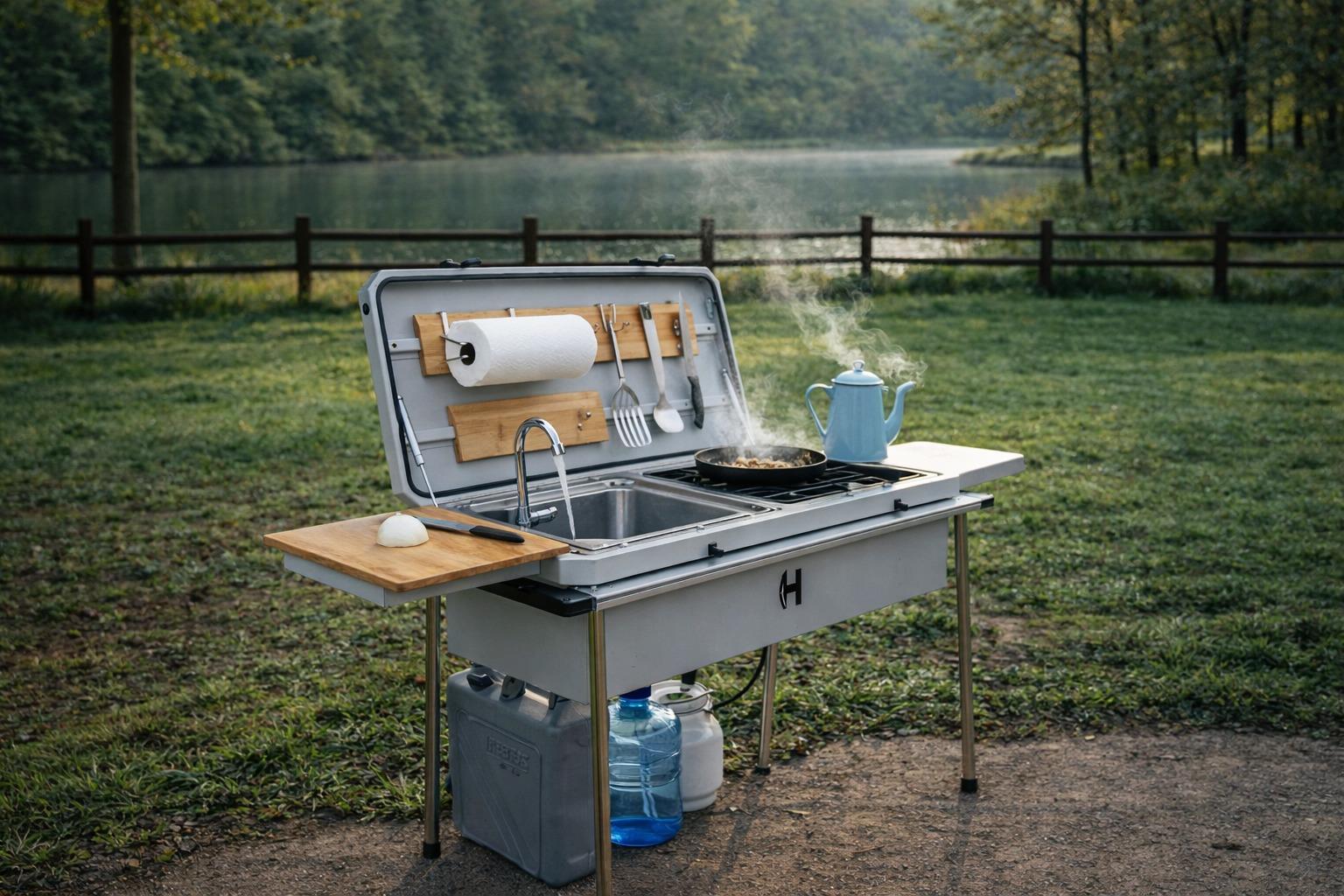
When storage space and packed volume are priorities, a folding camping stove offers an elegant solution. Compact butane burners and two-burner propane models with reversible griddles both fold or collapse for efficient transport and storage. Comparing packed formats, cooking capacity, ignition systems, fuel types, and cookware support helps match the stove to specific camping or travel needs. Setup, cooling, and safe outdoor use complete the practical picture.
Packed Size and Cooking Capacity
Folding designs minimize the footprint when the stove is not in use. Butane units often collapse to the size of a thick book; propane two-burner models may fold the legs and lid into a more compact rectangular form. Cooking capacity ranges from single-burner simplicity to dual-burner flexibility with griddle surfaces. Ignition is typically piezo or match-light. Fuel choice—butane cartridges or propane cylinders—affects cold-weather performance and runtime.
Cookware, Placement, and Safety
Cookware compatibility favors stable, flat-bottomed pots and pans sized to the burners. Outdoor placement on level ground with wind protection improves efficiency and safety. After cooking, allow full cooling before folding and packing. These habits preserve the mechanism and prevent accidental burns or fuel issues.
Many campers and travelers expand their mobile kitchen by pairing a folding stove with complementary compact gear. Reviewing portable cooking solutions at Big Horn Outdoors can reveal useful combinations of stoves, cookware, and storage that maximize capability while minimizing bulk. Matching the stove’s strengths to the typical trip profile produces the best balance of performance and convenience.
Meal Planning and Fuel Logistics
Meal planning should respect the stove’s capacity. Single-burner units excel at boiling water, cooking one-pot meals, and making coffee. Two-burner folding propane models support simultaneous cooking of a main and a side, making them suitable for small groups or more elaborate camp meals. Pre-measuring ingredients and using nesting cookware further streamline the process.
Fuel logistics include carrying the correct cartridges or cylinders and estimating consumption based on previous trips. Cold weather favors propane. Wind increases usage; a windscreen is a worthwhile addition. Storing fuel upright and protected from extreme temperatures maintains reliability.
Cleaning, Maintenance, and Field Use
Cleaning and maintenance are straightforward. Wipe surfaces after cooling, check folding hinges and locks for debris, and inspect valves periodically. Store the stove dry and protected from impacts. Because folding mechanisms involve moving parts, avoiding forced folding when dirty or damaged prevents long-term issues.
In the field, a dependable folding camping stove removes barriers to hot food and drinks. The ability to pack it into a small space encourages bringing it along even on trips where cooking was previously considered optional. When the design balances packed size with usable cooking power, it becomes a frequently chosen piece of gear for a wide range of outdoor activities.
FAQ
Q: How small do folding stoves pack?
A: Quality butane models can be smaller than a laptop; two-burner propane versions fold into a manageable rectangular shape.
Q: Is the folding mechanism durable?
A: Yes, when kept clean and not forced. Regular inspection prevents most problems.
Q: Can I get a griddle on a folding stove?
A: Some two-burner propane folding models include or accept reversible griddles.
Q: Propane or butane for folding stoves?
A: Butane for maximum compactness; propane for better cold-weather performance and higher output.
Q: How long to cool before packing?
A: Until the stove is cool enough to touch comfortably—usually 10–20 minutes depending on use.

 English
 French
 Spanish
 Portuguese
 Deutsch
 Turkish
 Dutch
Dutch
 Italiano
 Russian
 Romaian
 Portuguese (Brazil)
 Greek
Greek
