


How Does “Build Better More” Affect the Demand for Steel in the Philippines?
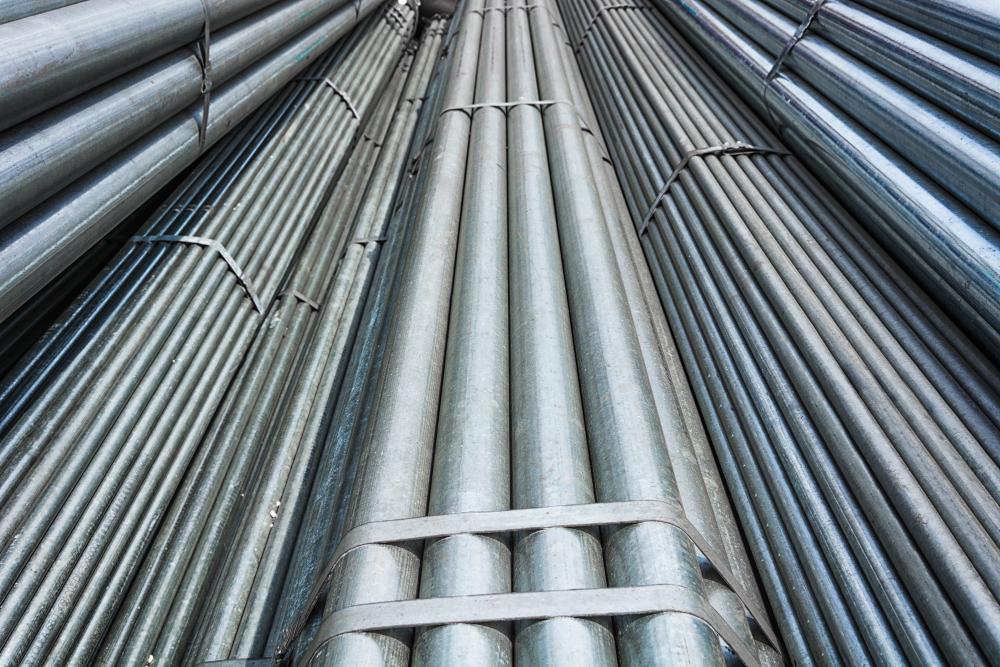
The Philippines’ “Build Better More” initiative accelerates infrastructure development while emphasizing sustainability and resilience. Projects under this program rely heavily on steel in the Philippines, which serves as a foundational material for roads, bridges, and public buildings. As projects expand nationwide, understanding how policy goals drive steel consumption helps industry players and planners.
Infrastructure Expansion Drives Steel Consumption
Government efforts to modernize transportation networks and utilities have spiked demand for construction materials. Steel reinforces concrete structures and modular buildings, with highways and railways requiring thousands of tons of rebar, beams, and sheets. Policy-driven projects directly link national priorities to market activity, shaping procurement patterns across the sector.
Urbanization and Housing Projects
Fast urban growth intensifies the need for affordable housing and commercial spaces. Developers rely on steel’s durability to meet deadlines for high-rise apartments and industrial parks. The “Build Better More” plan allocates funds for socialized housing, further boosting demand for cost-effective steel solutions tailored to dense urban environments.
Manufacturing Sector Growth
Steel demand extends beyond construction into automotive, electronics, and machinery production. Manufacturers use steel for equipment frames, tools, and packaging. As the Philippines attracts foreign investments in these sectors, local suppliers face rising pressure to maintain steady output and quality standards to meet evolving industrial needs.
Automotive Manufacturing Expansion
The rise of electric vehicle assembly plants increases demand for precision-engineered steel components. Manufacturers require high-tensile alloys for vehicle frames and battery casings. Local suppliers must invest in advanced rolling mills to meet tight tolerances required by global automakers setting up production hubs in the region.
Government Policies and Import Trends
Local steel producers struggle to meet surging demand, forcing companies to rely on imports. Policies under “Build Better More” aim to streamline procurement but have yet to fully address supply gaps. Imports of H-beams and pipes from neighboring countries remain a practical solution for time-sensitive projects, balancing cost and availability.
Managing Local and Imported Supplies
While imports fill immediate needs, policymakers focus on boosting domestic production capacity. Initiatives to modernize local mills and attract investments in steel manufacturing could reduce reliance on foreign suppliers over time, aligning with long-term economic goals.
Economic Recovery and Project Financing
Post-pandemic recovery efforts hinge on infrastructure spending to create jobs and stimulate growth. Steel benefits from this focus, as delayed projects resume and new ones launch. Access to financing for developers and contractors directly affects the pace of steel purchases, influencing market stability.
Public-Private Partnerships in Infrastructure
Collaborations between government and private firms help fund large-scale projects like toll roads and airports. Steel suppliers must align production schedules with phased funding releases, requiring flexible inventory management to avoid overstocking or shortages during multi-year developments.
Environmental Considerations
Sustainability mandates under “Build Better More” encourage using recycled steel and energy-efficient production methods. Companies are adopting greener practices to align with global climate goals, though cost and technical barriers persist. Demand for eco-friendly materials is reshaping production standards and procurement priorities.
Renewable Energy Infrastructure Needs
Solar farms require steel mounting structures resistant to corrosion in humid climates. Wind turbines use heavy-duty steel foundations to withstand typhoon-force winds common in the archipelago. These projects create specialized demand for weather-resistant alloys, pushing local producers to upgrade coating technologies and durability standards.
Advancements in Steel Production Technology
Meeting the initiative’s demands requires modernizing production methods. Steel in the Philippines sees adoption of electric arc furnaces that reduce carbon emissions compared to traditional blast furnaces. This shift aligns with global trends toward greener manufacturing while addressing local energy efficiency mandates and operational costs.
Logistics Challenges in Steel Distribution
Transporting steel across the Philippine archipelago presents unique obstacles. Steel must navigate fragmented island networks where maritime shipping remains the primary transport method. Delays due to weather disruptions or port congestion directly impact construction timelines, forcing project managers to maintain higher safety stock levels.
Steel Requirements for Disaster-Resilient Infrastructure
The Philippines faces frequent typhoons, earthquakes, and flooding, prompting the “Build Better More” initiative to prioritize resilient construction. Steel reinforces critical infrastructure like schools, hospitals, and coastal defenses, with seismic dampers and galvanized poles designed to withstand extreme conditions.
Coastal Protection and Steel Applications
Sea walls and breakwaters use steel-reinforced concrete to endure wave impacts and erosion. Steel sheet piles form interlocking barriers that stabilize shorelines against storm surges. Suppliers must deliver materials with anti-corrosion coatings tailored to marine environments, driving innovation in protective finishes and durability testing.
Seismic-Resistant Building Design
Earthquake-prone regions require steel-framed structures with flexible joints that dissipate seismic energy. Local fabricators adapt by producing wide-flange beams and energy-dissipating braces that meet updated building codes. This shift increases orders for high-performance steel grades capable of withstanding repeated stress cycles without fracturing.
Key Takeaway
The “Build Better More” initiative underscores steel in the Philippines as a critical resource for national progress. Rising demand spans infrastructure, manufacturing, and disaster-resilient construction, highlighting the need for efficient supply chains and sustainable practices to support development goals.

 English
 Arabic
 French
 Spanish
 Portuguese
 Deutsch
 Turkish
 Italiano
 Russian
 Romaian
 Portuguese (Brazil)
 Greek
Greek
