


How Do Mouth Guards Prevent Damage From Teeth Grinding?
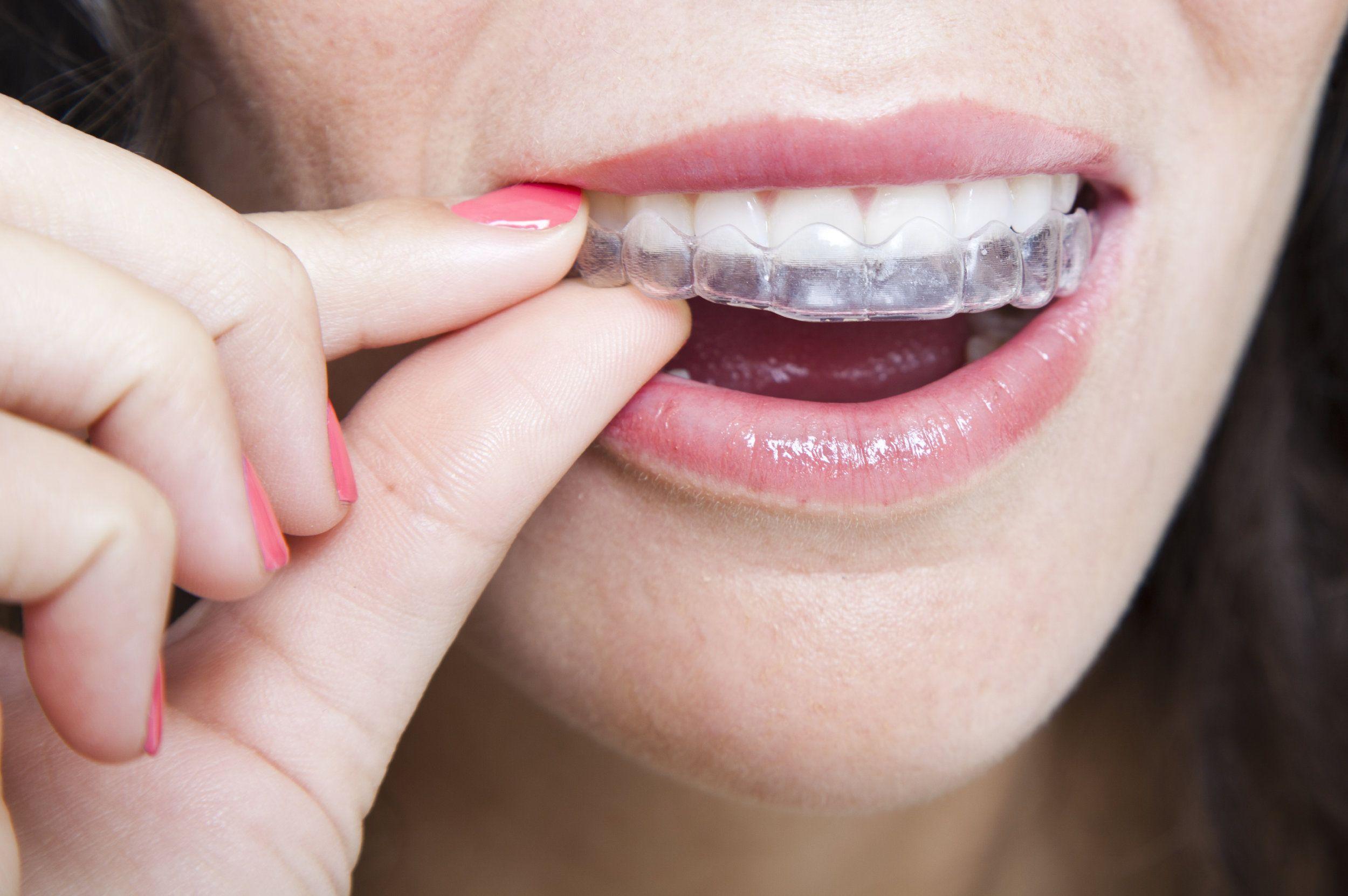
Teeth grinding, also called bruxism, can happen during sleep without you even realizing it. Over time, repeated clenching and grinding may place excessive pressure on the teeth, jaw, and surrounding muscles. Mouth Guards in Dubai can provide a protective barrier between the upper and lower teeth, helping reduce direct contact and limiting the effects of grinding. Understanding how these protective devices work can help people recognize their value in maintaining better oral comfort and protecting their smiles.
What Happens During Teeth Grinding?
Teeth grinding involves repeatedly clenching or rubbing the teeth together. While occasional grinding may not cause noticeable problems, frequent or forceful bruxism can gradually affect oral health.
Common Effects of Bruxism
Persistent grinding may contribute to:
-
Worn or flattened tooth surfaces
-
Small cracks or chips
-
Increased tooth sensitivity
-
Jaw discomfort and muscle fatigue
-
Morning headaches
-
Greater strain around the temporomandibular joints
-
Damage to existing dental restorations
Because grinding often occurs unconsciously during sleep, many people only discover the habit after noticing symptoms or receiving feedback from a dental professional.
How Do Mouth Guards Protect the Teeth?
Mouth guards are designed to create a cushioning layer between the upper and lower teeth. Instead of allowing teeth to repeatedly strike or rub directly against each other, the guard absorbs and distributes some of the forces created by clenching.
Creating a Protective Barrier
The most important function of a mouth guard is to prevent direct tooth-to-tooth contact. When grinding occurs, the material of the guard separates the dental surfaces, helping reduce friction and impact.
This can be particularly useful for people who grind strongly during sleep. By limiting direct contact, a properly fitted guard can help protect enamel from excessive wear.
Reducing Pressure on Individual Teeth
Grinding does not always distribute force evenly. Certain teeth may experience greater pressure depending on the person's bite and grinding pattern. A suitable mouth guard can help distribute some of these forces more evenly across the dental arch.
This may reduce the concentration of stress on individual teeth and help lower the risk of damage caused by repeated pressure.
Can Mouth Guards Help With Jaw Discomfort?
Teeth grinding does not only affect the teeth. Continuous clenching can place considerable strain on the muscles responsible for chewing and on the jaw joints.
Supporting More Comfortable Jaw Function
A professionally fitted mouth guard may help reduce the intensity of direct clenching forces. For some people, this can contribute to greater comfort in the jaw muscles, particularly after periods of nighttime grinding.
However, mouth guards do not necessarily eliminate the underlying cause of bruxism. Stress, sleep-related factors, bite-related issues, and other circumstances can contribute to grinding, so persistent symptoms should be assessed appropriately.
Why Proper Fit Matters
Not every mouth guard provides the same level of protection. A poorly fitting device may feel uncomfortable, interfere with normal jaw movement, or fail to provide adequate coverage.
Custom-Fitted Protection
A professionally designed mouth guard is made to fit the individual's teeth and oral structures. This can improve comfort, stability, and effectiveness during sleep.
A good fit also makes it easier to wear the guard consistently. Since protection depends on regular use, comfort is an important part of long-term success.
Who May Benefit From a Mouth Guard?
People who frequently grind or clench their teeth, particularly while sleeping, may benefit from discussing mouth guard options with a dental professional. Individuals who have already experienced tooth wear, sensitivity, jaw soreness, or damage related to grinding may also need an assessment.
Recognizing Warning Signs
Signs that may indicate nighttime grinding include waking with jaw tightness, unexplained headaches, sensitive teeth, worn enamel, or soreness around the face. A partner may also notice grinding sounds during sleep.
Early attention can be helpful because protecting teeth before significant wear occurs is generally preferable to addressing extensive damage later.
Caring for Your Mouth Guard
Proper maintenance helps keep a mouth guard clean and comfortable. It should generally be rinsed after use and cleaned according to the care instructions provided by the dental professional. It should also be stored in a ventilated protective case when not being worn.
Regular dental checkups can help determine whether the guard remains in good condition or needs adjustment or replacement.
Protect Your Smile From Nighttime Grinding
Teeth grinding can be easy to overlook because it often happens while a person is asleep. Yet repeated pressure can gradually affect enamel, restorations, jaw muscles, and overall oral comfort. A properly fitted mouth guard works by separating the teeth and helping cushion the forces created by clenching and grinding.
For anyone experiencing signs of bruxism, professional dental evaluation can help identify the most appropriate approach. With the right protection and consistent oral care, it is possible to reduce the effects of grinding and take meaningful steps toward preserving a healthy, comfortable smile.

 English
 French
 Spanish
 Portuguese
 Deutsch
 Turkish
 Dutch
Dutch
 Italiano
 Russian
 Romaian
 Portuguese (Brazil)
 Greek
Greek
