A balanced bite plays an important role in comfortable chewing, clear speech, and healthy jaw function. When the upper and lower teeth do not meet properly, it can affect everyday oral habits and may contribute to uneven pressure on certain teeth. Dental Activators in Dubai are designed to guide jaw development and encourage more balanced oral function, particularly when used during appropriate stages of growth. Understanding how these appliances work can help patients and parents make informed decisions about bite correction.
What Are Dental Activators?
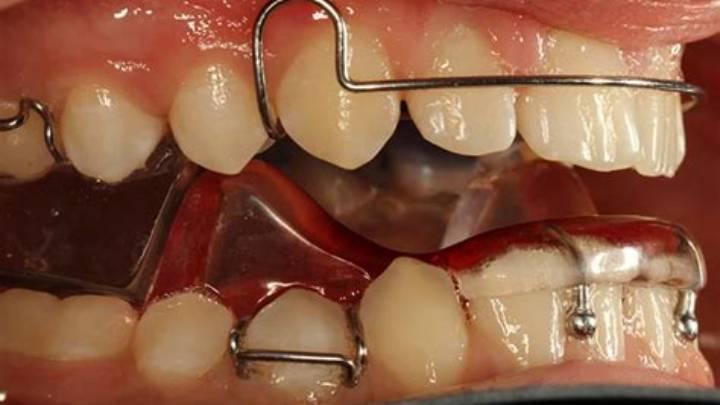
Dental activators are removable orthodontic appliances that influence the relationship between the upper and lower jaws. Unlike traditional braces, which primarily move individual teeth, an activator is designed to work with the jaw position, muscles, and surrounding oral structures.
How Do They Work?
The appliance holds the jaw in a carefully planned position while it is worn. This can encourage more favorable muscular and functional patterns over time. In growing patients, this approach may support natural jaw development while helping improve the way the teeth come together.
Because every bite is different, the design and wearing schedule of an activator may vary. An orthodontic assessment is important to determine whether this type of appliance is appropriate.
Can Dental Activators Improve Your Bite Naturally?
Dental activators can support bite improvement by working with the body's natural growth and adaptation processes rather than relying solely on direct tooth movement. This is particularly relevant for children and adolescents whose jaws are still developing.
Supporting Jaw Alignment
A bite problem may sometimes involve differences in the position or growth of the jaws. By encouraging a more favorable jaw relationship, an activator may help create better conditions for the upper and lower teeth to meet.
The goal is not simply to make the teeth appear straighter. A well-planned bite correction focuses on improving oral function and creating a more harmonious relationship between the jaws and teeth.
Encouraging Healthier Oral Function
The position of the jaw can influence chewing and other everyday movements. When the bite is better coordinated, the teeth may experience more balanced contact during normal function.
Dental activators may therefore be considered as part of an orthodontic approach that focuses on both appearance and function. However, results depend on factors such as age, growth pattern, bite characteristics, and consistent appliance use.
What Bite Problems May They Address?
Dental activators may be useful for certain developmental bite concerns, especially when treatment begins during the appropriate growth stage. They are commonly considered in cases involving jaw discrepancies and some forms of misalignment.
Overbite and Jaw Relationships
An excessive overbite can occur when the upper front teeth extend too far over the lower teeth. In selected growing patients, an activator may help guide the jaw relationship and improve how the teeth meet.
Other bite concerns may also benefit from functional orthodontic appliances, depending on their underlying cause. A professional evaluation is essential because similar-looking bite problems can require very different treatment strategies.
What Are the Potential Benefits?
One of the main advantages of dental activators is their functional approach. Instead of focusing exclusively on moving teeth, they can be used to influence the relationship between the jaws and oral muscles.
Potential benefits may include:
- Better coordination between the upper and lower jaws
- Improved bite function
- Support for healthy jaw development
- More balanced chewing patterns
- A potentially improved relationship between teeth and facial structures
- Removable appliance convenience in appropriate cases
The actual outcome varies from person to person, so expectations should always be based on an individual orthodontic assessment.
Why Timing Can Matter
Growth can play an important role in functional orthodontic treatment. During childhood and adolescence, the jaws are still developing, which may provide opportunities to influence their relationship more effectively.
Early Assessment Can Help
An early orthodontic evaluation does not necessarily mean immediate treatment. Instead, it allows a professional to monitor dental and jaw development and determine whether intervention may be beneficial.
If an activator is recommended, following the prescribed wearing schedule can be especially important. Because the appliance depends on consistent use, irregular wear may reduce its effectiveness or extend the overall treatment period.
Are Dental Activators Right for Everyone?
Dental activators are not a universal solution for every bite problem. Some patients may require braces, aligners, other orthodontic appliances, or a combination of approaches.
A detailed assessment can consider tooth position, jaw development, facial growth, bite patterns, and overall oral health. This helps establish whether a functional appliance is suitable and what results may realistically be expected.
Creating a Healthier, More Balanced Bite
Improving a bite is about more than achieving a visually appealing smile. Proper alignment can contribute to comfortable chewing, balanced tooth contact, and better overall oral function. For suitable growing patients, dental activators can provide a functional approach that works alongside natural development.
With appropriate assessment, consistent use, and professional monitoring, these appliances may help guide the jaws toward a more favorable relationship. Understanding the treatment process and individual needs is the first step toward making a confident decision about bite correction.




 English
 French
 Spanish
 Portuguese
 Deutsch
 Turkish
 Dutch
Dutch
 Italiano
 Russian
 Romaian
 Portuguese (Brazil)
 Greek
Greek
