


What Makes a Mole Suitable for Removal?
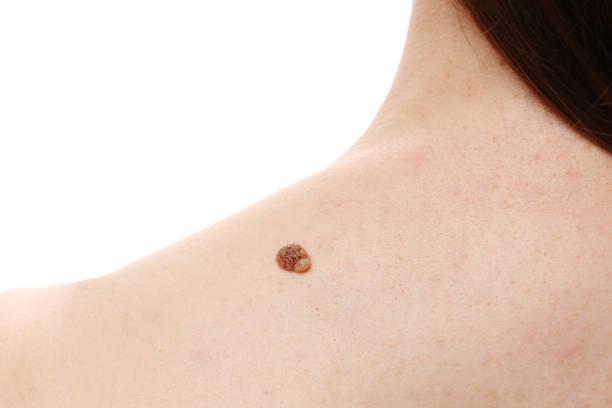
Moles are common skin growths that can develop on almost any part of the body. Many remain harmless and stable throughout life, while others may become irritating, cosmetically bothersome, or require medical evaluation because of changes in their appearance. Determining whether a mole is suitable for removal depends on several factors, including its appearance, location, symptoms, and medical characteristics. For individuals considering mole removal riyadh, a professional examination is an important first step before choosing any treatment.
When Is Mole Removal Considered?
Mole removal may be considered for both cosmetic and medical reasons. A person may want a mole removed because it is prominent, frequently catches on clothing, becomes irritated, or affects their confidence.
In other situations, a dermatologist may recommend removal because the mole has features that require closer examination. The decision should always be based on an appropriate assessment rather than appearance alone.
Moles That Cause Repeated Irritation
A raised mole may repeatedly rub against clothing, jewelry, shaving equipment, or other objects. Frequent friction can make the area uncomfortable and may lead to irritation.
If a mole is regularly traumatized, discussing removal with a qualified specialist may be appropriate. The provider can examine the mole and determine whether removal is suitable.
Moles That Create Cosmetic Concerns
Some people are simply unhappy with the appearance of a mole, particularly when it is located on the face, neck, or another visible area. Cosmetic concerns can be a valid reason to discuss removal after the mole has been professionally assessed.
A specialist can explain the available approach, potential healing process, and possibility of scarring so that expectations remain realistic.
Moles That Change Over Time
Changes in a mole deserve professional attention. A mole that changes in size, shape, color, or surface should be evaluated by a qualified healthcare professional.
Other warning signs can include:
-
Persistent itching
-
Bleeding without an obvious cause
-
Crusting or oozing
-
New or unusual tenderness
-
Noticeably irregular borders
-
Significant changes in pigmentation
These signs do not automatically mean that a mole is cancerous, but they should not be ignored. A specialist may recommend additional evaluation or removal depending on the findings.
The Importance of Mole Appearance
Shape and Borders
A specialist may examine whether the mole has a symmetrical or irregular shape and whether its borders appear clearly defined.
Color
Moles can naturally have different shades of brown, black, tan, or other pigmentation. However, multiple colors or significant changes in color may warrant closer evaluation.
Size and Surface
The size, thickness, and surface of a mole can help a specialist determine which assessment or removal approach may be appropriate.
For patients considering Mole Removal in Riyadh, these characteristics are typically evaluated before treatment is recommended.
Location Can Influence the Decision
The location of a mole can affect whether removal is practical or desirable. Moles located on areas that experience frequent friction may become repeatedly irritated. Moles on visible areas may be removed because of cosmetic concerns.
The specialist may also consider the location when discussing possible scarring and healing. A treatment plan should account for both the mole and the surrounding skin.
How Specialists Determine Suitability
During a consultation, the specialist may examine the mole directly and use a dermatoscope for a more detailed assessment. They may also ask about when the mole appeared and whether it has changed.
Your medical history can also be relevant. Tell the specialist about previous skin procedures, allergies, medications, and any history of unusual moles or noticeable scarring.
Based on the assessment, the provider may recommend removal, monitoring, further investigation, or another appropriate option.
Which Removal Method May Be Appropriate?
The removal technique depends on the type and characteristics of the mole.
Shave Removal
Certain raised moles may be suitable for shave removal, where the elevated portion is carefully removed. This method is not appropriate for every mole, so professional assessment is necessary.
Surgical Excision
Surgical excision involves removing the mole and, when appropriate, a small amount of surrounding tissue. The area may be closed with stitches. This method can also allow the tissue to be submitted for pathological examination when indicated.
The choice of technique should be based on medical assessment rather than simply choosing the method that appears quickest or easiest.
Can Every Mole Be Removed?
Not every mole should be removed immediately. Some stable, harmless moles may not require treatment at all. In certain cases, monitoring may be more appropriate than removal.
If a mole appears suspicious, the priority is proper medical evaluation. Removing a mole without appropriate assessment can potentially delay diagnosis of an underlying skin condition.
What Happens After Removal?
After removal, temporary redness, tenderness, swelling, or sensitivity may occur. Healing time depends on the technique, location, size of the treated area, and individual skin response.
Any procedure involving skin removal can potentially leave a scar. Your specialist can explain the expected healing process and provide aftercare recommendations to support recovery.
Why Professional Assessment Matters
Attempting to remove a mole at home by cutting, burning, freezing, or applying unapproved substances can result in infection, bleeding, skin damage, and scarring. It may also interfere with proper medical assessment.
Choosing professional Mole Removal in Riyadh allows the mole to be examined before treatment and helps determine whether removal is appropriate, which technique may be suitable, and whether the tissue should undergo further examination.
Book an Appointment at Royal Clinic Saudia
If you have a mole that concerns you because of its appearance, location, irritation, or recent changes, a consultation at Royal Clinic Saudia can help you understand your options. A qualified specialist can assess the mole, discuss whether removal is appropriate, and explain the recommended treatment and aftercare.
FAQs:
What type of mole is suitable for removal?
A mole may be considered for removal if it causes repeated irritation, creates cosmetic concerns, or requires medical evaluation. A specialist should assess it first.
Should I remove a mole that has changed recently?
A changing mole should be professionally evaluated before removal. Your specialist may recommend further examination or tissue testing.
Can a harmless mole be removed?
Yes, removal of a benign mole may be considered for cosmetic or practical reasons when appropriate.
Does mole removal always require surgery?
No. The technique depends on the mole's characteristics. Some may be suitable for shave removal, while others may require surgical excision.

 English
 French
 Spanish
 Portuguese
 Deutsch
 Turkish
 Dutch
Dutch
 Italiano
 Russian
 Romaian
 Portuguese (Brazil)
 Greek
Greek
