


How to Plan Your Garden in a 314 Square Foot Greenhouse
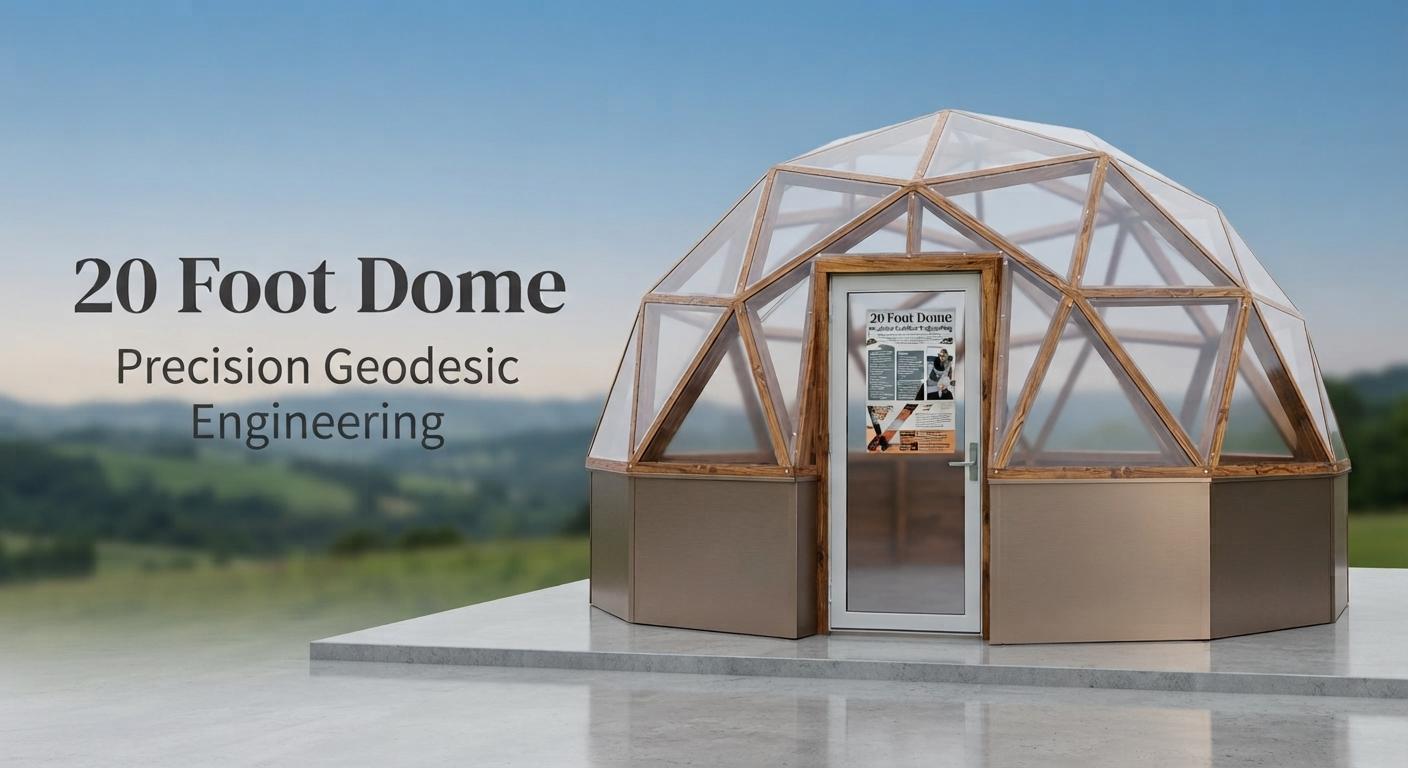
Planning a greenhouse garden requires more than deciding which plants to grow. The available space, plant sizes, walking paths, sunlight, and watering needs can all affect how productive your growing area becomes. A 314 square foot greenhouse provides enough room to organize different types of plants while still keeping the growing area manageable.
For homeowners who want a dedicated space for vegetables, herbs, flowers, and seedlings, a 20 foot greenhouse for gardening can offer a practical amount of room. With thoughtful planning, you can create separate growing areas and make everyday gardening tasks easier.
Start With Your Gardening Goals
Before setting up your greenhouse, think about what you want to accomplish. Some gardeners may want to grow fresh vegetables for their household, while others may focus on herbs, flowers, or seedlings.
A 20 foot greenhouse for home gardening can support several purposes at the same time. You could dedicate one section to vegetables, another to herbs, and another to plants that need special attention.
Making a list of your preferred crops can help you estimate how much space each one will need. Consider how many plants you want to grow and whether you plan to change your crops throughout the year.
Divide the Greenhouse Into Growing Areas
A large growing area does not mean every part should be filled with plants. Dividing the greenhouse into specific sections can make it easier to stay organized.
You could use raised beds for larger crops, containers for herbs, and shelves for seedlings. Keeping similar plants together can also simplify watering and maintenance.
When planning a 20 foot dome greenhouse, leave enough space between different growing areas for comfortable access. You should be able to reach your plants without stepping over beds or containers.
Make Use of the Available Floor Space
The floor area is one of the most important parts of greenhouse planning. A 314 square foot greenhouse gives gardeners considerable room, but inefficient placement can still result in wasted space.
Measure your intended planting areas before adding beds or containers. Think about how much room mature plants will require rather than only considering their size when they are young.
Leave clear pathways between planting areas. These paths will give you access for watering, pruning, harvesting, and general maintenance.
Consider Plant Size and Growth Habits
Different plants require different amounts of space. Tomatoes, peppers, cucumbers, and other larger crops can eventually occupy much more room than herbs or leafy greens.
When growing in a 20 foot dome greenhouse, position larger plants where they will have enough room to develop. Smaller crops can be placed in areas where they will not be shaded by taller plants.
Vining crops may also benefit from vertical supports. Trellises can help direct growth upward while keeping the floor area more organized.
Grow Vegetables and Herbs Together
One advantage of a 20 foot greenhouse for gardening is the ability to grow different types of plants in one location. Vegetables and herbs can be combined as long as their growing requirements are compatible.
Herbs such as basil, parsley, oregano, and cilantro generally take up less room than many vegetable crops. They can be grown in containers or along the edges of planting areas.
Vegetables such as tomatoes, peppers, lettuce, and cucumbers can occupy larger sections. Plan their spacing according to mature size and make sure each plant receives the conditions it needs.
Think About Sunlight
Sunlight should be considered before you decide where each plant will go. Taller plants can create shade that affects shorter crops.
Place taller plants carefully so they do not block the light needed by smaller plants. You can also group plants according to their sunlight preferences.
If you are using a 20 foot dome greenhouse for gardening, observe how sunlight moves through the structure during the day. This can help you decide where different crops should be positioned.
Use Containers for Flexibility
Containers can make your greenhouse layout easier to change. Instead of permanently planting everything in one location, you can move individual plants when needed.
This can be particularly useful when growing seasonal crops. Once one crop finishes producing, its container or growing area can be replaced with another plant.
Containers can also be useful for herbs and seedlings that require regular attention. Keeping them in accessible areas can make routine maintenance simpler.
Leave Room for Gardening Tasks
A productive greenhouse should also be comfortable to work in. Crowding plants together may give you more planting space initially, but it can make maintenance difficult later.
Make sure pathways are wide enough for you to move around comfortably. Keep frequently maintained plants in easy-to-reach areas.
When planning a 20 foot greenhouse for home use, think about how you will move through the structure while watering, pruning, harvesting, and checking plants for problems.
Plan for Seasonal Changes
Your greenhouse layout does not need to remain the same throughout the year. Different plants can perform better during different seasons, so your growing areas may need to change.
For example, warm-season crops can occupy larger sections during warmer months, while leafy greens and other cool-season plants can take their place later.
A flexible layout makes it easier to replace finished crops without having to completely redesign the greenhouse. Keeping containers and pathways organized can also make seasonal changes more convenient.
Consider a DIY Greenhouse Setup
For homeowners who enjoy hands-on projects, a DIY 20 foot dome greenhouse can provide an opportunity to take part in the setup process. Before choosing this approach, consider the available time, tools, and assistance required for assembly.
Planning the structure and interior layout together can help you create a growing space that matches your gardening goals. Think about where beds, containers, shelves, and pathways will go before filling the greenhouse with plants.
A well-planned setup can make the growing area easier to manage from the beginning.
Make the Most of a 314 Square Foot Greenhouse
A 314 square foot greenhouse offers enough room for gardeners to grow a variety of plants without needing to use every available inch. The key is to balance planting space with pathways and working areas.
Use the floor space efficiently, take advantage of vertical growing where appropriate, and group plants according to their needs. This approach can help you create a productive growing environment while keeping everyday tasks manageable.
If you are considering a 20 foot dome greenhouse for gardening, planning the interior before planting can make a significant difference. Think about what you want to grow now as well as what you may want to grow in the future.
Learn More About Greenhouse Growing
For homeowners looking for a greenhouse that provides dedicated growing space, Dome Greenhouses offers greenhouse options designed for different gardening needs. A thoughtfully planned greenhouse can give you room to grow vegetables, herbs, flowers, and seedlings while making better use of your available outdoor space.
Final Thoughts
Planning a garden inside a 314 square foot greenhouse starts with understanding how you want to use the space. By dividing the greenhouse into practical sections, considering plant sizes, leaving accessible pathways, and planning for seasonal changes, you can create a growing area that works for your needs.
A 20 foot greenhouse can provide plenty of room for a productive home garden. With careful organization and flexible planning, the available space can support a wide range of gardening projects.
FAQs
How much space does a 20 foot greenhouse provide?
A 20 foot greenhouse can provide approximately 314 square feet of growing space, depending on the specific structure and layout.
What can I grow in a 20 foot greenhouse?
You can grow a variety of vegetables, herbs, flowers, and seedlings. The best choices depend on available sunlight, spacing, and individual plant requirements.
Is a 20 foot greenhouse good for home gardening?
Yes. A 20 foot greenhouse can provide substantial growing space for homeowners who want to grow multiple types of plants in one dedicated area.
How should I organize a 20 foot greenhouse?
Divide the space into planting areas, containers, shelves, and pathways. Group plants with similar sunlight, watering, and spacing requirements together.
Can I build a DIY 20 foot dome greenhouse?
A DIY setup can be an option for homeowners with the appropriate tools, time, and assistance needed for assembly and preparation.

 English
 Arabic
 French
 Spanish
 Portuguese
 Deutsch
 Turkish
 Dutch
Dutch
 Italiano
 Romaian
 Portuguese (Brazil)
 Greek
Greek
