


Why Convenience Is Driving Interest in the Global Bike Sharing Market
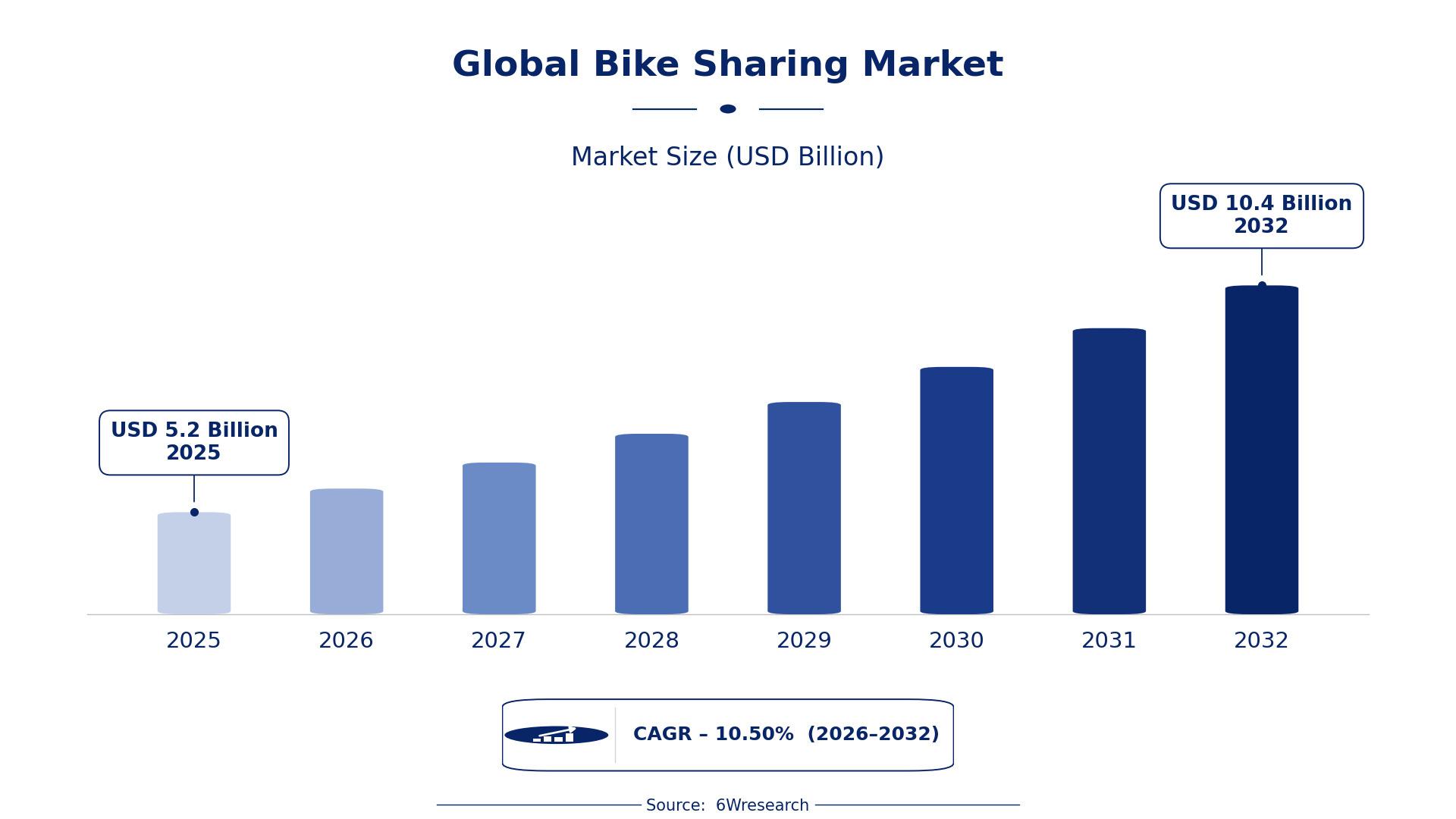
The growing need for convenient and flexible transportation is changing how people move through cities. As commuters look for alternatives to private vehicles, traditional public transportation, and costly daily travel, shared bicycles are becoming an increasingly practical option. The Global bike sharing market is gaining attention because it allows users to access bicycles when needed without the responsibilities associated with ownership. Easy app-based access, flexible usage, and expanding cycling infrastructure are making bike sharing more relevant to modern urban lifestyles.
Convenience Is Strengthening the Global Bike Sharing Market
Convenience has become one of the strongest factors influencing transportation choices. People increasingly expect mobility services to be quick, accessible, and easy to use. Bike-sharing systems address these expectations by allowing users to locate a nearby bicycle, unlock it through a mobile application, complete their journey, and return it at an appropriate location.
This simple process removes several barriers associated with personal bicycle ownership. Users do not have to purchase a bicycle, find long-term storage, handle regular maintenance, or transport it between different locations. For people making short urban trips, the ability to access a bicycle only when required can make shared mobility particularly attractive.
As these advantages become more widely recognized, convenience can continue supporting the expansion of the Global bike sharing market across densely populated cities.
Investing in the Global Bike Sharing Market Can Support Future Mobility
The convenience offered by shared cycling is also creating potential opportunities for businesses and investors. Urban transportation is moving toward models that combine public transit, shared mobility, digital applications, and flexible transportation options. Bike sharing can become an important part of this connected mobility ecosystem.
Investing in the Global bike sharing market can provide exposure to several areas of future mobility, including shared e-bikes, smart docking systems, digital payment platforms, fleet management technologies, and connected mobility applications. Operators can also develop services around high-demand locations such as business districts, residential communities, universities, tourist destinations, and transportation hubs.
As cities focus on improving mobility without relying entirely on private vehicles, shared cycling can become increasingly relevant to long-term transportation planning.
Flexible Access Is Supporting Future User Growth
People prefer services that fit easily into their daily routines. Bike sharing provides this flexibility by allowing users to access transportation without making a long-term commitment. A commuter may use a shared bicycle to reach a railway station in the morning, while another user may use the same service for shopping, recreation, or a short meeting later in the day.
This flexible model can be especially valuable in urban areas where owning and parking a private vehicle can be expensive or inconvenient. Users can select shared cycling when it is the most practical option and choose another transportation mode when their journey requires it.
This ability to combine different transportation choices can support future user growth and strengthen the role of the Global bike sharing market in urban mobility.
Digital Visibility Can Make Bike Sharing Easier to Discover
Digital technology has significantly improved the accessibility of shared transportation. Mobile applications allow users to identify nearby bicycles, check availability, view pricing, unlock vehicles, and complete payments through a single platform. These features make bike sharing easier to understand and use, particularly for first-time customers.
Digital visibility can also help operators reach potential users more effectively. Search engines, mobile applications, mapping platforms, and digital mobility services can help consumers discover shared bicycles when they are looking for transportation options. The combination of physical availability and digital discoverability can therefore contribute to stronger market adoption.
For the Global bike sharing market, technology is not simply an operational tool. It is becoming an important part of how services attract, engage, and retain users.
Growing Demand Highlights the Benefits of Shared Cycling
Demand for flexible transportation continues to develop as cities experience congestion, increasing travel requirements, limited parking, and changing commuter preferences. Bike sharing can provide a practical solution for journeys where using a car may be unnecessary or public transportation may not offer direct connectivity.
One major benefit is accessibility. Users can access bicycles across strategically located areas rather than depending on a bicycle being available at home. Shared cycling can also reduce the financial and practical responsibilities associated with bicycle ownership.
For cities, bike sharing can complement existing public transportation systems by supporting first-mile and last-mile connectivity. This can help make larger transportation networks more accessible while providing users with additional choices for completing their journeys.
Better User Experience Can Increase Bike Sharing Adoption
User experience plays a central role in determining whether people continue using a shared mobility service. A system that is difficult to access, has unreliable bicycles, or provides unclear pricing can discourage repeat usage. In contrast, simple digital interfaces, accurate bicycle locations, convenient payment methods, and well-maintained fleets can encourage greater engagement.
Operators within the Global bike sharing market are therefore increasingly focused on improving the entire customer journey. Smart locks can simplify access, GPS systems can improve fleet visibility, and data-driven fleet management can help position bicycles closer to areas where demand is strongest.
Electric bicycles can further improve the experience by reducing physical effort and making longer journeys easier. Together, these developments can make shared cycling more convenient for a broader range of users.
Lifestyle Benefits Are Expanding Shared Cycling Demand
The role of bike sharing is no longer limited to commuting. Shared bicycles can support a wide range of everyday activities, including shopping, recreation, tourism, social visits, and short-distance travel. This broader usage can make shared cycling a regular part of urban lifestyles.
For users who prefer flexible transportation, bike sharing provides mobility without requiring vehicle ownership. It can also offer an opportunity to incorporate cycling into daily routines without the need to purchase and maintain a personal bicycle.
As urban lifestyles become more dynamic, services that provide mobility on demand can become increasingly valuable. These lifestyle benefits can support stronger and more consistent demand across the Global bike sharing market.
Infrastructure Development Can Unlock Greater Market Potential
The growth of bike sharing depends heavily on supportive urban infrastructure. Dedicated cycling lanes, safe roads, secure bicycle parking, charging facilities, and convenient connections with public transportation can make shared cycling more practical.
Infrastructure development can also influence where operators expand their services. Areas with strong cycling networks and high pedestrian activity can provide favorable conditions for bike-sharing adoption. Integration with metro stations, bus stops, railway terminals, offices, universities, and commercial districts can further increase accessibility.
As governments and urban planners focus on creating more connected transportation systems, infrastructure improvements can create additional opportunities for the Global bike sharing market.
Wrapping Up
Convenience is becoming a defining factor in modern urban transportation, and bike sharing is well positioned to benefit from this shift. Easy access, flexible usage, digital connectivity, lower ownership responsibilities, and compatibility with public transportation are making shared cycling increasingly attractive to urban users.
The future potential of the Global bike sharing market will depend on continued investment in technology, fleet quality, cycling infrastructure, digital platforms, and user-focused services. As cities become more connected and consumers increasingly seek flexible ways to travel, the demand for convenient shared mobility can continue to rise.
For businesses and investors, entering the Global bike sharing market now can provide an opportunity to participate in a transportation model that is becoming increasingly integrated into urban life. Buying into the market today can be a smart strategic decision as convenience-driven mobility continues creating new demand and long-term growth opportunities.
Who We Are
About 6Wresearch
6Wresearch is a commercial strategy and growth advisory firm founded in 2011 and headquartered in New Delhi, India, with partners across Southeast Asia and the Middle East & Africa. The firm has delivered over 20,000 commercial engagements for over 2,000 organizations, including Fortune 500 companies, government agencies, and multilateral institutions such as the World Bank and the Asian Development Bank. Backed by proprietary market research and advanced analytics, 6Wresearch combines sector expertise with data-driven intelligence to help organizations navigate market complexity and drive sustainable growth. These capabilities explain why organizations trust 6Wresearch Global Market Research & Consulting Firm for reliable commercial insights and confident decision-making.
Our Proprietary Platform: 6W Export GTM
6W Export GTM is 6Wresearch’s proprietary trade intelligence and go-to-market platform, built on UN Comtrade data and enhanced with 6Wresearch’s in-house analytical and simulation models, including system dynamics-based forecasting. Unlike broad, sector-level market sizing tools, 6W Export GTM operates at the individual product level down to specific HS codes and micro-segments to identify precise, actionable export opportunities by country and product pair, including markets where trade currently does not exist. This granular, simulation-driven approach allows 6W Export GTM to surface opportunities that sector-wide analysis typically misses, positioning it among a small number of platforms globally offering this depth of product-and-country-specific export intelligence.
Read More..

 English
 Arabic
 French
 Spanish
 Portuguese
 Deutsch
 Turkish
 Dutch
Dutch
 Russian
 Romaian
 Portuguese (Brazil)
 Greek
Greek
