


Crawl Space Inspection for a Better View of Your Home
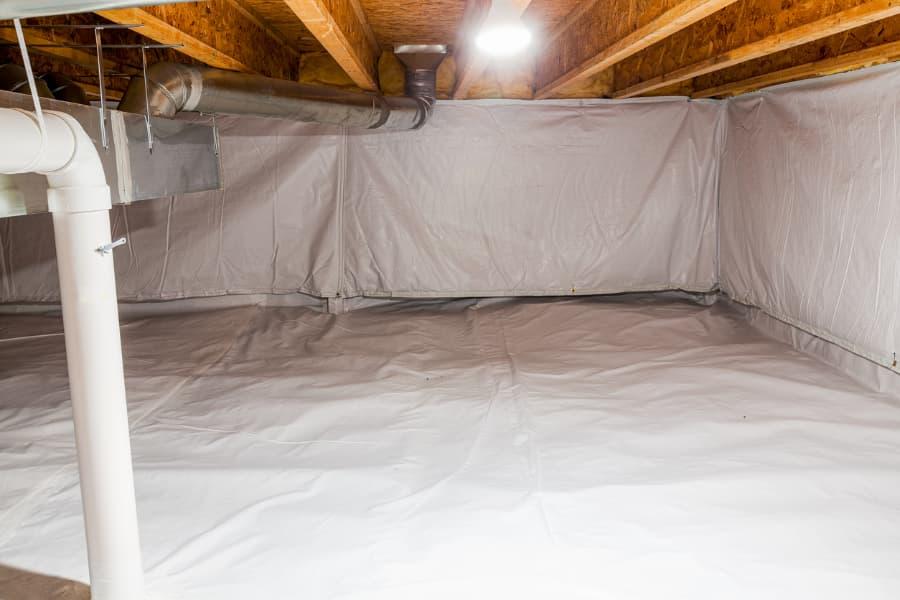
A crawl space may be hidden from everyday view, but it contains important components that can affect the condition of a property. Plumbing lines, electrical wiring, ductwork, insulation, structural supports, and foundation elements may all be located in this area. A Crawl Space Inspection provides an opportunity to review accessible portions of the space for visible signs of moisture, damage, pests, deterioration, and other concerns. Buyers can use the findings when evaluating a property, while homeowners may benefit from understanding conditions that could eventually affect floors, walls, or indoor comfort.
Look for Moisture and Standing Water
Moisture is one of the most common concerns associated with crawl spaces. Water can enter through foundation walls, plumbing leaks, poor drainage, groundwater, or other pathways. During a Crawl Space Inspection, accessible areas may be examined for standing water, damp surfaces, staining, condensation, and other visible signs of moisture. Persistent dampness can affect wood, insulation, and other materials over time. Identifying the source of moisture is important because simply removing visible water may not resolve the underlying condition. Drainage and ventilation concerns may also need additional evaluation.
Examine Foundation and Structural Components
The crawl space can provide access to portions of the foundation and structural framing that cannot be seen from the main living areas. A Crawl Space Inspection in Flushing may include accessible foundation walls, support posts, beams, joists, and other structural components. Cracks, deterioration, movement, damaged wood, or unusual conditions may be documented during the review. Not every crack or imperfection indicates a serious structural problem, but changes that appear significant may warrant further assessment. Examining these components can provide useful information about the condition of the structure supporting the home.
Check Floor Joists and Subfloor Areas
The materials beneath the home's floors are exposed to conditions within the crawl space. Moisture, pests, inadequate ventilation, or plumbing leaks can affect joists, beams, subflooring, and related materials. During a Crawl Space Inspection, accessible wood components may be reviewed for staining, rot, cracking, sagging, or other visible deterioration. Soft or damaged areas can indicate that further evaluation is needed. Identifying problems below the floor can be valuable because some issues may eventually become noticeable inside the home through uneven floors, odors, or changes in flooring materials.
Review Plumbing Lines and Connections
Many homes have water and drainage pipes running through the crawl space. Leaking connections or damaged pipes can introduce moisture into an area that may already have limited airflow. A Crawl Space Inspection can include a visual review of accessible plumbing lines, fittings, drains, and related components for visible leaks or deterioration. Water stains beneath pipes may also provide clues about previous or ongoing problems. When a significant plumbing issue is discovered, additional evaluation by an appropriate plumbing professional may be necessary to determine the source and required repair.
Evaluate Insulation and Ventilation
Insulation and ventilation can influence the temperature and moisture conditions within a crawl space. An Crawl Space Inspection may review accessible insulation for displacement, damage, deterioration, or areas where coverage appears incomplete. Vent openings can also be checked for visible obstruction or damage where applicable to the home's design. Poorly managed moisture and airflow can contribute to condensation and material deterioration. The appropriate crawl space approach depends on the construction of the property, so visible conditions should be considered within the context of the home's overall design and moisture-control system.
Watch for Signs of Pest Activity
Crawl spaces can provide dark and sheltered areas where rodents, insects, and other pests may enter or nest. Droppings, nesting materials, damaged insulation, gnaw marks, insect remains, or unusual odors can indicate activity. During a Crawl Space Inspection, accessible areas may be reviewed for these visible signs as well as openings that could provide pest access. Damaged materials can also make it easier for pests to remain hidden. When evidence of an infestation is found, a specialized pest evaluation may be appropriate to determine the extent of the problem and possible entry routes.
Inspect Electrical and Mechanical Components
Electrical wiring, heating ducts, air conditioning components, and other mechanical systems may pass through crawl spaces. A Crawl Space Inspection can review accessible components for visible damage, loose materials, unusual conditions, or other concerns. Wiring should appear appropriately protected, while ducts and equipment can be examined for visible deterioration or disconnection. A general inspection does not replace specialized electrical or HVAC testing. When a component appears damaged or presents an unusual condition, additional evaluation can provide more detailed information about its safety and performance.
Pay Attention to Odors and Air Quality Clues
Unusual odors coming from a crawl space can sometimes indicate moisture, mold-like growth, pests, sewage problems, or deteriorating materials. An Inspection Service in Flushing NY can help identify visible conditions that may be associated with these odors. Damp wood, standing water, damaged insulation, and poor airflow can all contribute to unpleasant smells. Odor alone cannot establish the exact source of a problem, so further testing may be appropriate when conditions are unclear. Keeping the crawl space dry and addressing visible sources of moisture can support better property maintenance.
Use the Findings to Plan Future Work
The information gathered from a Crawl Space Inspection can help homeowners and buyers understand conditions that are easy to overlook. Findings involving moisture, structural materials, plumbing, insulation, ventilation, pests, electrical components, or mechanical systems can be used to establish maintenance priorities. An inspection cannot reveal conditions hidden behind inaccessible materials, but it can document visible concerns within the areas that can be safely examined. Reviewing the findings and arranging specialized assessments when necessary gives property owners a clearer basis for deciding on repairs, monitoring, and long-term maintenance.

 English
 Arabic
 French
 Spanish
 Portuguese
 Deutsch
 Turkish
 Dutch
Dutch
 Italiano
 Russian
 Romaian
 Greek
Greek
