


How Does Botox for Foot Sweating Reduce Excess Moisture?
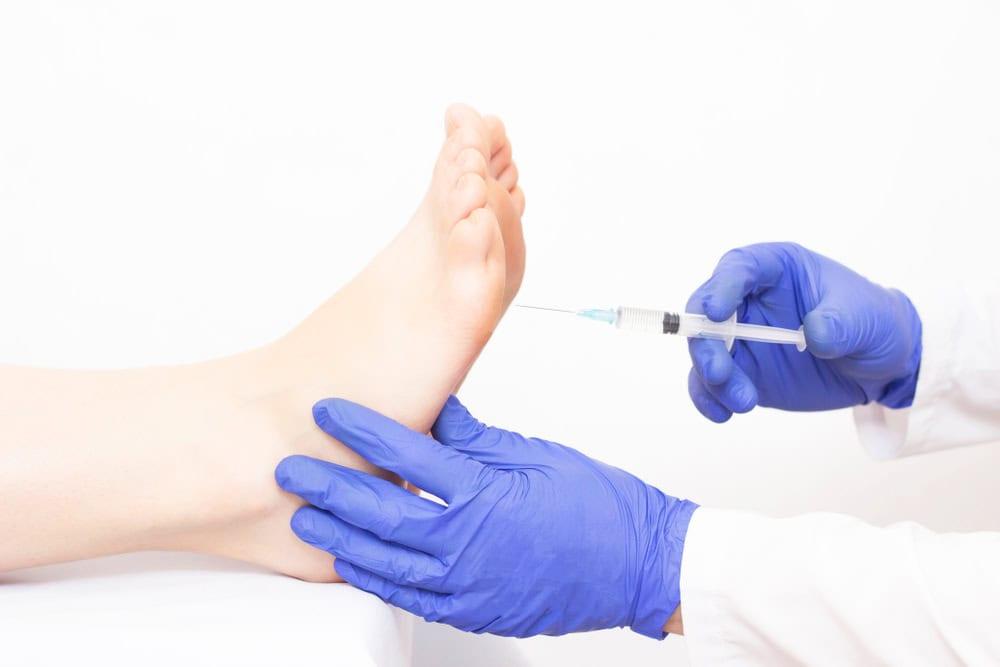
Excessive foot sweating can be more than an occasional inconvenience. Persistently damp feet may make shoes uncomfortable, contribute to unpleasant odors, and leave people feeling self-conscious in everyday situations. For those looking for a targeted approach, Botox for Foot Sweating in Dubai can help reduce excessive moisture by temporarily interrupting the nerve signals responsible for activating sweat glands. Rather than simply covering up the symptoms, this treatment works directly at the source of excessive sweating, helping feet stay noticeably drier and more comfortable.
Understanding Excessive Foot Sweating
Sweating is a natural process that helps regulate body temperature. However, the sweat glands in some people can become unusually active, particularly on the palms, soles, and underarms. When sweating occurs excessively without a clear need for cooling, it may be associated with a condition known as hyperhidrosis.
Why Do Feet Sweat So Much?
The soles contain a high concentration of eccrine sweat glands. These glands respond to signals from the nervous system and release sweat when activated. Factors such as heat, physical activity, stress, anxiety, and individual body chemistry can increase sweating.
When the glands remain overactive, feet may become wet even while a person is resting. Constant moisture can also make socks and footwear feel uncomfortable and may encourage odor-causing bacteria to thrive.
How Botox Helps Reduce Foot Sweating
Botox, commonly associated with cosmetic wrinkle reduction, has another useful application: controlling excessive sweating. When carefully injected into the soles, it can interfere with the communication between certain nerves and sweat glands.
Blocking Sweat-Producing Nerve Signals
Sweat glands rely on chemical signals from nerves to become active. Botox works locally by temporarily preventing the release of a neurotransmitter involved in this communication. As a result, the targeted sweat glands receive fewer signals telling them to produce sweat.
This does not permanently remove or damage the sweat glands. Instead, it temporarily reduces their activity in the treated area. Over time, normal nerve communication gradually returns, which means the sweating-reducing effects are not permanent.
Why This Can Make Feet Feel Drier
Once excessive nerve stimulation is reduced, the treated soles generally produce less sweat. This can make socks feel less damp, reduce the constant sensation of wetness, and make wearing shoes more comfortable.
For people whose daily routines are affected by sweaty feet, reducing moisture can also make simple activities such as walking, exercising, working, or socializing feel easier.
What Happens During the Treatment?
Before treatment, an appropriate assessment helps determine whether excessive sweating is concentrated in the soles and whether Botox is a suitable option. The treatment area is then carefully mapped so injections can be distributed appropriately.
Precise Injection Into the Soles
Small amounts of Botox are placed at selected points across the affected area. Because the soles can be sensitive, a practitioner may use measures designed to improve comfort during the procedure.
The injections are localized, meaning the goal is to address excessive sweating specifically where it occurs. Treatment planning can vary depending on the severity and distribution of sweating.
When Can Results Appear?
The reduction in sweating does not necessarily happen immediately. The effect develops progressively as the treatment interferes with nerve-to-sweat-gland communication.
Gradual Improvement in Moisture Control
Some people may begin noticing changes within several days, while the full effect can take longer to develop. The duration of results varies from person to person and can depend on factors such as individual metabolism, sweating severity, and the treated area.
As the effect eventually wears off, nerve communication resumes and sweating may gradually return. Repeat treatment may then be considered when appropriate.
Benefits Beyond Drier Feet
Reducing excessive foot sweating can have practical benefits that go beyond moisture control. Drier feet may feel more comfortable inside shoes and socks and may help reduce the persistent discomfort associated with damp skin.
Supporting Everyday Confidence
For some people, excessive sweating affects confidence just as much as physical comfort. Worrying about wet footprints, damp socks, or taking shoes off around others can become frustrating.
By reducing sweat production in the treated area, Botox may help people feel more comfortable participating in work, social activities, exercise, and daily routines.
Is Botox for Foot Sweating Right for You?
Botox can be an effective option for people experiencing persistent excessive sweating of the feet, particularly when everyday measures have not provided sufficient relief. However, treatment should be considered after a proper assessment.
A qualified medical professional can evaluate the severity and possible causes of excessive sweating, discuss expected results, and determine whether this approach is appropriate. Understanding the treatment process and realistic outcomes is an important part of making an informed decision.
A More Comfortable Approach to Excessive Sweating
Persistent foot sweating can interfere with comfort, footwear choices, and confidence, but it does not have to control everyday life. By temporarily reducing the nerve signals that stimulate sweat glands, Botox can help decrease excessive moisture directly at the treated area. With appropriate assessment and professional treatment, it can offer a practical approach for people seeking drier, more comfortable feet.

 English
 Arabic
 French
 Spanish
 Portuguese
 Deutsch
 Turkish
 Dutch
Dutch
 Italiano
 Russian
 Romaian
 Greek
Greek
