


Choosing Efficient and Quiet Air Movement Equipment
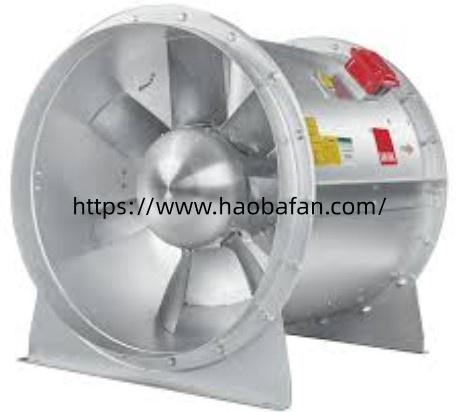
Ventilation systems must provide sufficient air movement without creating unnecessary disturbance, particularly in offices, commercial facilities, workshops, laboratories, equipment rooms, and other environments where acoustic comfort matters. A well-engineered Low Noise Centrifugal Fan can help balance airflow requirements with sound control by combining appropriate aerodynamic design, stable mechanical operation, and careful manufacturing. Quiet operation is not determined by a single component, but by the interaction between the fan, motor, housing, ductwork, and installation environment.
The impeller is one of the most important elements affecting both airflow and sound. As the impeller rotates, air passes across the blades and exits through the housing. Blade geometry, spacing, curvature, and rotational speed influence turbulence and pressure behavior. If airflow becomes unnecessarily turbulent, aerodynamic noise can increase. Careful design can therefore help create smoother air movement while maintaining the required ventilation performance.
Mechanical vibration is another major source of unwanted noise. An impeller that is not properly balanced can generate repetitive vibration during operation. This vibration may travel through bearings, mounting brackets, housings, and building structures, creating secondary noise beyond the sound generated directly by airflow. Accurate balancing during manufacturing can significantly improve mechanical stability and reduce the likelihood of vibration-related problems.
Motor selection and integration also influence acoustic performance. A motor that operates smoothly can reduce mechanical disturbance, while accurate shaft alignment helps prevent additional stress on bearings and rotating components. Loose connections or poor assembly can create rattling and vibration over time. Consistent manufacturing processes are therefore essential for maintaining stable operation from one unit to another.
The housing has an important role in directing airflow and controlling structural vibration. Thin or poorly supported structures may resonate when exposed to mechanical or aerodynamic forces. A properly designed housing can provide sufficient rigidity while maintaining efficient airflow pathways. Material selection, assembly accuracy, and secure fastening all contribute to the overall acoustic behavior of the finished equipment.
However, even a well-manufactured fan can become noisy if it is installed incorrectly. Sharp duct transitions, sudden changes in airflow direction, restrictive openings, loose mounting hardware, and poorly supported ductwork can introduce turbulence and vibration. Flexible connections and appropriate vibration isolation may help reduce the transfer of mechanical energy into surrounding structures. System designers should therefore consider the entire air path instead of evaluating the fan independently.
Operating conditions can also affect perceived noise. A fan working far outside its intended operating range may generate greater turbulence or mechanical stress. Excessive resistance within the duct system can alter airflow behavior and increase the acoustic load. Selecting equipment that matches the actual requirements of the ventilation system is therefore important for maintaining both efficiency and sound performance.
Maintenance has a direct relationship with noise levels as well. Dust buildup on an impeller can gradually change its balance, while worn bearings may produce additional mechanical sound. Loose fasteners can create rattling, and damaged components may cause abnormal vibration. Routine inspection and cleaning can help preserve the original operating characteristics and identify problems before they become more expensive to repair.
For commercial and industrial buyers, acoustic performance should be considered together with airflow capacity, energy consumption, durability, maintenance requirements, and installation conditions. A quiet fan that cannot meet the system's airflow needs is not an effective solution, while a powerful unit that creates excessive noise may be unsuitable for occupied environments. The best approach is to select equipment according to the complete application.
A reliable manufacturer should be able to maintain consistent impeller balance, motor assembly, housing construction, and quality control across different production batches. Taizhou Haoba Electromechanical Co Ltd. focuses on practical ventilation solutions for a range of industrial and commercial applications, with further information available at https://www.haobafan.com/product/mixed-flow-fan/. A properly selected Low Noise Centrifugal Fan can then become part of a ventilation system that delivers dependable air movement while supporting a more comfortable acoustic environment.

 English
 Arabic
 French
 Spanish
 Portuguese
 Deutsch
 Turkish
 Dutch
Dutch
 Italiano
 Russian
 Romaian
 Portuguese (Brazil)
