


What Documents Support Parallel Axis Gear Motor Final Selection
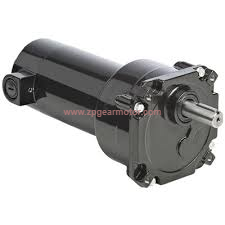
Selecting a geared drive for continuous or intermittent industrial motion requires careful alignment of output characteristics with the demands of the driven machine.Parallel Axis Gear Motor configurations supplied through zpgearmotor deliver coaxial input and output shafts that suit in line arrangements on conveyors elevators and processing equipment. Facilities that specify these units examine torque requirements speed range and mounting constraints so that the finished assembly operates within design limits. Engineering teams preparing purchase documents commonly ask which data points determine the correct unit size and how those data points translate into reliable daily performance?
Torque demand forms the primary starting point for any selection. The driven machine produces a continuous load plus periodic peaks during start up or product accumulation. Calculating the required output torque from the process force and lever arm gives the baseline value. Adding a service factor that reflects the severity of the duty protects the gear teeth and bearings against unexpected overloads. Operators record both the steady and peak values so that the chosen unit retains adequate margin across the full operating cycle.
Output speed and reduction ratio follow directly from the process requirements. Conveyor belts mixers and indexing tables each need a specific shaft speed to maintain product flow or mixing intensity. Dividing the motor synchronous speed by the desired output speed yields the approximate ratio. Standard ratio steps allow the designer to select the nearest available value and then confirm that the resulting torque remains within the unit rating. Documenting the exact speed target prevents later adjustments that could affect overall line timing.
Duty cycle and operating hours influence thermal capacity and lubrication life. Continuous running at full load generates steady heat that must dissipate through the housing and oil. Intermittent duties with long rest periods allow smaller units provided the peak torque stays inside the intermittent rating. Operators note the percentage of time under load and the ambient temperature so that the thermal rating of the selected unit matches the real environment.
Mounting orientation and shaft arrangement affect oil level and bearing loads. Parallel axis designs support horizontal vertical and wall mounted positions when the lubrication system matches the chosen attitude. Confirming the mounting code early avoids later modifications to the oil fill plugs or breather locations. Foot flange and shaft mounted variants each impose different reaction forces on the supporting structure so that the foundation design remains compatible.
Environmental conditions dictate enclosure protection and material choices. Dusty wet or wash down areas require sealed housings and corrosion resistant finishes. Elevated ambient temperatures call for high temperature grease or external cooling options. Operators list the presence of chemicals moisture and temperature extremes so that the unit specification includes the correct sealing and coating package.
Efficiency and power factor enter the decision when energy cost forms a significant portion of operating expense. Parallel axis gearing typically exhibits lower mesh losses than right angle alternatives under comparable ratios. Selecting a unit whose efficiency curve aligns with the dominant operating speed reduces continuous power draw. Recording the expected annual running hours allows a straightforward comparison of energy consumption across candidate units.
Service factor and overload capacity provide the final safety margin. Applications that experience frequent starts shock loads or reversing demand higher service factors to protect the gear set. Matching the published service factor to the process severity keeps the unit within its design envelope throughout the expected service life. Operators retain the calculation sheet that links process data to the chosen service factor for future reference.
Across these selection steps the shared priority remains accurate translation of process requirements into a unit that operates within its mechanical and thermal limits. Collecting complete load speed duty and environment data before requesting quotations keeps the evaluation focused and the final choice predictable.
Engineers comparing specification data and application notes for in line geared drives can examine detailed selection charts load tables and mounting options for the Parallel Axis Gear Motor at https://www.zpgearmotor.com then contact the Zhanpeng team to review process calculations and discuss unit configurations matched to their torque speed and environmental requirements.

 English
 Arabic
 French
 Spanish
 Deutsch
 Turkish
 Dutch
Dutch
 Italiano
 Russian
 Romaian
 Portuguese (Brazil)
 Greek
Greek
